
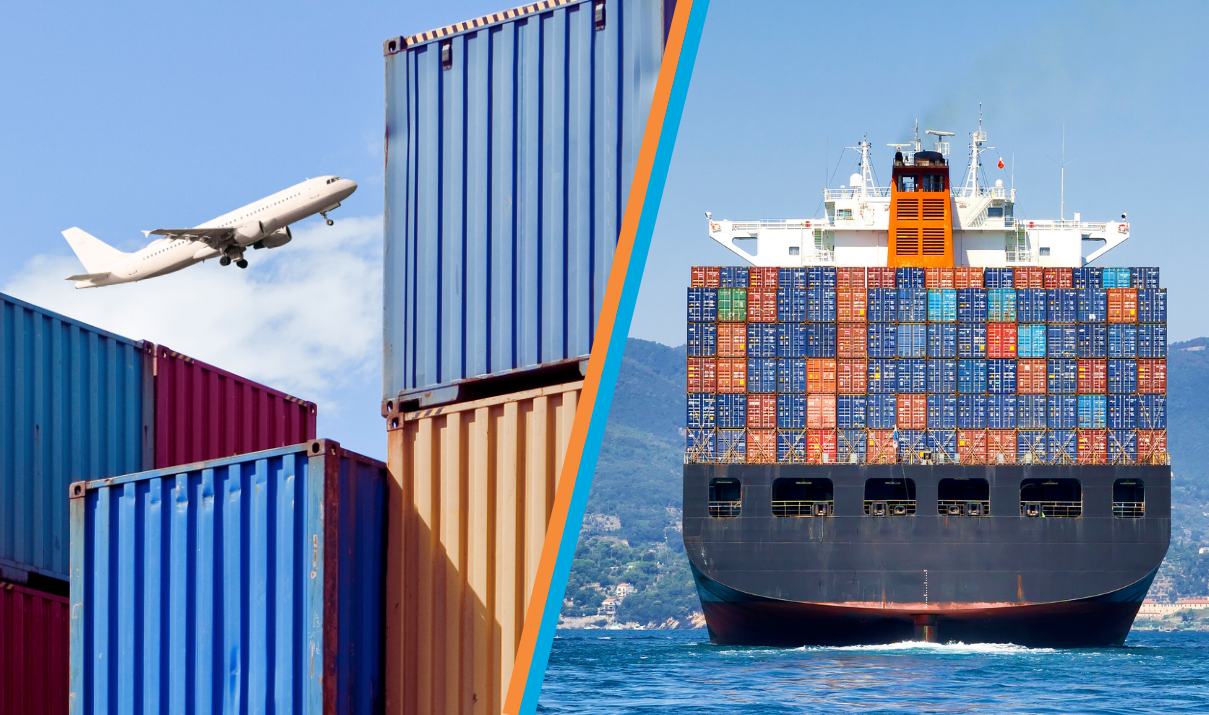
Understanding the shipping time from China to Australia is essential for businesses that import products regularly. Whether you’re shipping by sea or air, knowing the estimated transit time helps you plan inventory, control shipping costs, and meet customer delivery expectations.
This guide explains the average shipping times, the factors that affect delivery schedules, and how to choose the best transportation method for your cargo. Additionally, you’ll learn practical tips for reducing delays and improving your international supply chain.

Why Is Shipping Time from China to Australia Important?
Choosing the right shipping schedule is just as important as selecting the right freight service. Moreover, understanding transit times allows businesses to avoid inventory shortages and unexpected logistics costs.
Better Inventory Planning
Accurate delivery estimates help businesses maintain healthy stock levels. As a result, companies can reduce storage costs while ensuring products remain available for customers.
Improved Customer Satisfaction
Reliable shipping schedules make it easier to provide accurate delivery dates. Consequently, customers receive better service and businesses can build stronger long-term relationships.
Lower Supply Chain Risks
Unexpected shipping delays can interrupt production and sales. Therefore, planning shipments in advance helps businesses minimize disruptions and improve supply chain efficiency.
Shipping Time from China to Australia by Sea Freight
Sea freight is the most economical option for transporting large shipments from China to Australia. Although transit times are longer than air freight, ocean shipping offers significant cost savings for bulk cargo and commercial goods.
Full Container Load (FCL)
FCL shipping is recommended for businesses that have enough cargo to fill an entire container. Since the container is dedicated to a single shipment, handling is reduced and cargo usually arrives more efficiently.
Less than Container Load (LCL)
LCL shipping allows several businesses to share container space. Although consolidation and deconsolidation require additional handling, LCL remains an affordable option for smaller shipments.
Typical Transit Times
The exact shipping time depends on the departure port, destination port, carrier schedule, and customs clearance process.
| Shipping Method | Estimated Transit Time | Best For |
|---|---|---|
| FCL Sea Freight | 16–24 days | Large shipments |
| LCL Sea Freight | 20–30 days | Small and medium shipments |
| Air Freight | 2–5 days | Urgent cargo |
Furthermore, inland transportation after arrival may add several days to the total delivery time depending on the final destination within Australia.
What Factors Affect Shipping Time from China to Australia?
Although estimated transit times provide a useful reference, actual delivery schedules may vary. Understanding the main factors that influence shipping time helps businesses prepare more effectively and reduce unexpected disruptions.
Customs Clearance
Customs clearance is one of the most important stages of international shipping. Incomplete or inaccurate documentation can delay cargo at either the export or import stage. Therefore, businesses should ensure all shipping documents are accurate before departure.
Port Congestion
Busy ports may experience vessel queues and longer cargo handling times. Moreover, seasonal demand and limited terminal capacity can increase waiting times during peak shipping periods.
Weather Conditions
Severe weather, including storms and heavy rainfall, may affect vessel schedules and flight operations. As a result, transportation routes occasionally require adjustments that extend delivery times.
Inland Transportation
After customs clearance, cargo must still be delivered to its final destination. Delivery times vary depending on warehouse locations, trucking availability, and regional infrastructure throughout Australia.
Peak Shipping Seasons
Freight demand usually increases before major holidays and retail sales events. Consequently, shipping capacity becomes more limited, and both freight rates and transit times may increase. Booking shipments early helps businesses secure available space and maintain reliable delivery schedules.

How Can You Reduce Shipping Delays?
While international shipping is generally reliable, unexpected delays can still occur. Fortunately, businesses can take several practical steps to improve delivery performance. Moreover, careful planning helps reduce logistics risks and keeps your supply chain running smoothly.
Prepare Accurate Shipping Documents
Accurate documentation is essential for efficient customs clearance. Before shipping, confirm that the commercial invoice, packing list, Bill of Lading or Air Waybill, and any required certificates are complete and consistent. As a result, customs authorities can process your shipment more quickly and reduce the likelihood of inspections.
Book Freight in Advance
Booking space early is one of the easiest ways to avoid shipping delays. During peak seasons, carriers often have limited capacity, and freight rates may increase. Therefore, planning shipments several weeks ahead helps secure vessel or flight space while maintaining more predictable delivery schedules.
Choose the Right Shipping Method
Selecting the appropriate transportation option is equally important. Sea freight is ideal for large shipments with flexible delivery deadlines, whereas air freight is better for urgent cargo. Consequently, matching the shipping method to your business requirements helps balance transit time and shipping costs.
Work with an Experienced Freight Forwarder
An experienced freight forwarder can coordinate transportation, manage customs clearance, and monitor shipments throughout the journey. Additionally, professional logistics support helps identify potential issues before they become costly delays.
Which Australian Ports Receive Cargo from China?
Australia has several major ports that handle international cargo from China. Choosing the right destination port can influence the overall shipping time from China to Australia, transportation costs, and inland delivery efficiency.
Port of Sydney
Sydney is one of Australia’s busiest container ports, serving importers across New South Wales. It offers frequent shipping services from major Chinese ports.
Port of Melbourne
Melbourne is Australia’s largest container port and a key gateway for cargo entering southeastern Australia. Moreover, it provides excellent rail and road connections for inland transportation.
Port of Brisbane
Brisbane is an ideal destination for shipments to Queensland. Additionally, it supports both containerized cargo and project shipments from China.
Port of Fremantle
Located in Western Australia, Fremantle handles cargo arriving from Asia and provides efficient access to businesses operating in western regions.
Which Chinese Ports Offer the Fastest Shipping to Australia?
The departure location plays an important role in determining the overall shipping time from China to Australia. Choosing a logistics hub with frequent shipping services and efficient transportation networks can help reduce transit time and improve supply chain reliability.
Guangzhou
Guangzhou is one of southern China’s largest international trade and logistics hubs. It offers frequent sea freight and air freight services to Australia, making it an excellent choice for exporters shipping consumer goods, machinery, and commercial products.
Shenzhen
Shenzhen is a major export gateway serving manufacturers throughout the Pearl River Delta. Moreover, its modern port facilities and nearby international airport provide reliable shipping solutions with frequent departures to Australia’s major ports and airports.
Qingdao
Qingdao is an important logistics hub in northern China, handling a wide range of industrial products and manufactured goods. Furthermore, its well-developed port infrastructure supports stable shipping schedules for cargo destined for Australia.
Hong Kong
Hong Kong remains one of Asia’s leading international logistics centers. Thanks to its world-class airport, efficient container terminals, and global shipping connections, businesses benefit from flexible freight options and fast cargo handling for shipments to Australia.
Xi’an
Xi’an has become an important inland logistics hub through its expanding air cargo network and multimodal transportation services. Although it is not a seaport, cargo can be efficiently transferred to coastal ports or shipped directly by air, providing exporters in western China with convenient access to the Australian market.
How Does Customs Clearance Affect Shipping Time?
Customs clearance is an essential part of international shipping. Efficient customs procedures help cargo move quickly, while incomplete documentation may delay delivery.
Export Customs in China
Before cargo leaves China, export customs authorities verify shipping documents and approve the shipment for international transportation.
Import Customs in Australia
Australian customs inspect shipments to ensure compliance with import regulations. Therefore, businesses should prepare accurate documentation before cargo arrives.
Required Shipping Documents
Commercial invoices, packing lists, Bills of Lading, and import declarations are commonly required. Additionally, certain products may need certificates or permits.
Tips for Faster Customs Clearance
Working with an experienced freight forwarder and submitting complete documentation can reduce customs delays and improve delivery performance.
Request a Quote
Whether you need fast air freight or cost-effective sea freight, our logistics specialists are ready to help you choose the best solution based on your cargo and delivery schedule. Contact us today for a free quote, expert advice, and reliable shipping time from China to Australia solutions tailored to your business.
Contact TJ China Freight for a fast, free quote.

Industries We Work With
We’ve helped 3,000+ businesses with agent China in these sectors:
- Amazon & eCommerce
- Furniture & Home Goods
- Industrial Equipment
- Garments & Textiles
- Medical Devices (Non-hazardous)
- Auto Parts
FAQ:
1. How long is the average shipping time from China to Australia?
The average shipping time from China to Australia is 16–24 days by sea freight and 2–5 days by air freight. However, the actual transit time depends on the shipping route, customs clearance, carrier schedules, and the final delivery location.
2.What is the fastest way to ship from China to Australia?
Air freight is the fastest shipping option. In most cases, shipments arrive within 2–5 business days. Although it is more expensive than sea freight, it is ideal for urgent, high-value, or time-sensitive cargo.
3.Is sea freight cheaper than air freight?
Yes. Sea freight generally offers the lowest transportation cost for bulk shipments and full containers. Meanwhile, air freight provides much faster delivery but comes with significantly higher shipping costs.
4. What factors affect shipping time from China to Australia?
Several factors influence delivery schedules, including customs inspections, weather conditions, port congestion, carrier availability, peak shipping seasons, and inland transportation. Therefore, businesses should allow extra time when planning important shipments.
5.Can I track my shipment during transit?
Yes. Most freight forwarders provide online shipment tracking for both sea and air freight. Additionally, tracking updates help businesses monitor cargo movement and prepare for customs clearance and final delivery.