
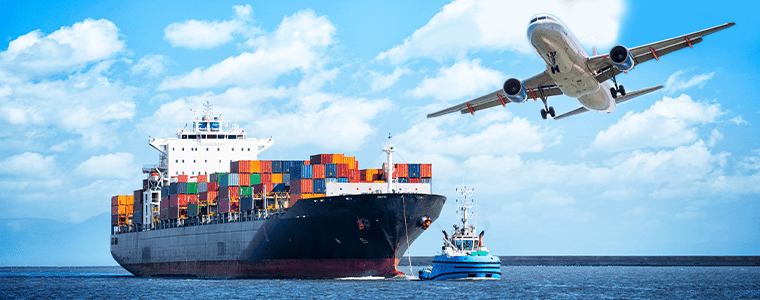
Learning how to ship goods from China is essential for businesses that source products from one of the world’s largest manufacturing hubs. Whether you are importing for retail, wholesale, or e-commerce, understanding the shipping process can help reduce costs, avoid delays, and improve supply chain efficiency.
This guide explains every step of the international shipping process, from choosing a supplier and freight forwarder to selecting the right shipping method, preparing export documents, and completing customs clearance. By the end, you’ll have a clear understanding of how to ship goods from China safely and efficiently.
Why Is It Important to Know How to Ship Goods from China?
Understanding how to ship goods from China helps businesses make informed logistics decisions and avoid unnecessary transportation expenses. A well-planned shipping strategy also improves delivery reliability and customer satisfaction.
Lower Overall Shipping Costs
Choosing the appropriate transportation method can significantly reduce shipping costs from China. Businesses that compare sea freight, air freight, and rail freight often find opportunities to optimize their logistics budget without affecting delivery performance.
Improve Supply Chain Efficiency
Reliable shipping schedules allow companies to maintain healthy inventory levels and reduce stock shortages. Moreover, efficient cargo transportation supports better production planning and customer fulfillment.
Reduce Shipping Risks
Working with experienced freight forwarders minimizes documentation errors, customs delays, and unexpected logistics issues. As a result, shipments move more smoothly from China to international destinations.
How to Ship Goods from China Step by Step
The shipping process follows several important stages. Completing each step correctly helps ensure your cargo reaches its destination safely and on time.
Choose a Reliable Supplier
Before arranging transportation, verify that your supplier can meet production schedules and export requirements. Confirm product specifications, packaging standards, and shipping terms before placing an order.
Select a Professional Freight Forwarder
A qualified freight forwarder manages transportation, carrier bookings, export documentation, and customs clearance from China. Additionally, they can recommend the most cost-effective logistics solutions based on your shipment.
Prepare Shipping Documents
Essential documents usually include the commercial invoice, packing list, bill of lading or air waybill, export declaration, and any certificates required by the destination country.
Arrange Cargo Pickup and Export
Once production is complete, cargo is collected from the factory and transported to the warehouse, airport, or seaport. Export customs procedures are then completed before international transportation begins.

How to Ship Goods from China by Sea Freight
Lorem ipsum dolor sit amet, consectetur adipiscing elit. Ut elit tellus, luctus nec ullamcorper mattis, pulvinar dapibus leo.
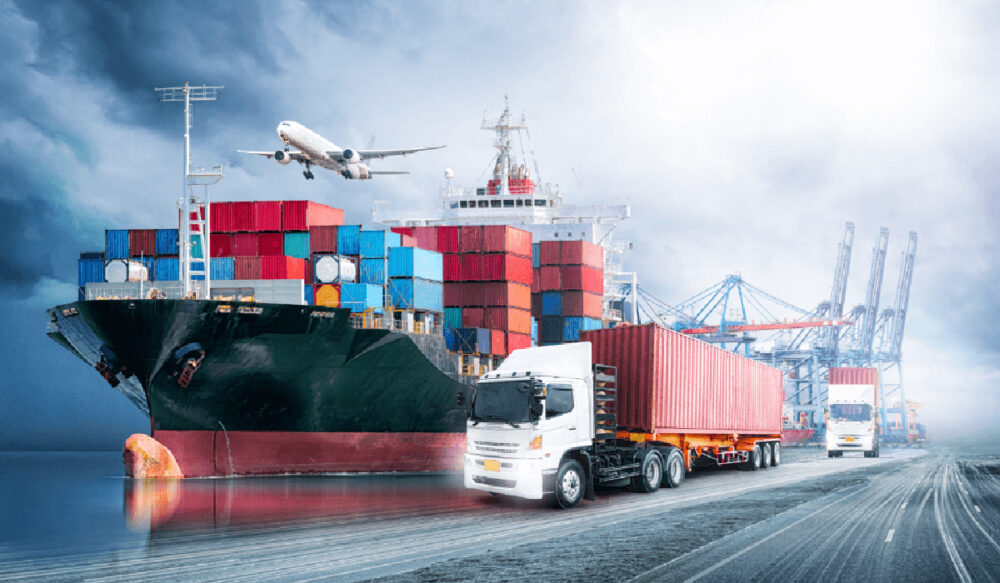
Sea freight is the most popular option for businesses transporting large quantities of cargo. It offers competitive shipping costs from China and is suitable for companies that prioritize cost savings over delivery speed. Moreover, ocean shipping supports both full-container and shared-container services, giving importers greater flexibility.
Full Container Load (FCL)
FCL shipping is ideal when your cargo fills most or all of a container. Since the container is used exclusively for one shipment, there is less cargo handling, lower risk of damage, and faster loading and unloading. Additionally, FCL is often more economical than LCL for larger shipments.
Less than Container Load (LCL)
LCL shipping allows multiple businesses to share container space. It is a practical choice for small and medium-sized shipments that do not require a full container. Although transit times may be slightly longer because of cargo consolidation, LCL helps reduce transportation costs for lower-volume orders.
Sea Freight Comparison
| Shipping Method | Transit Time | Cost | Best For |
|---|---|---|---|
| FCL Sea Freight | 20–40 days | Lower per unit | Large shipments |
| LCL Sea Freight | 25–45 days | Lower total cost | Small and medium shipments |
How to Ship Goods from China by Air Freight
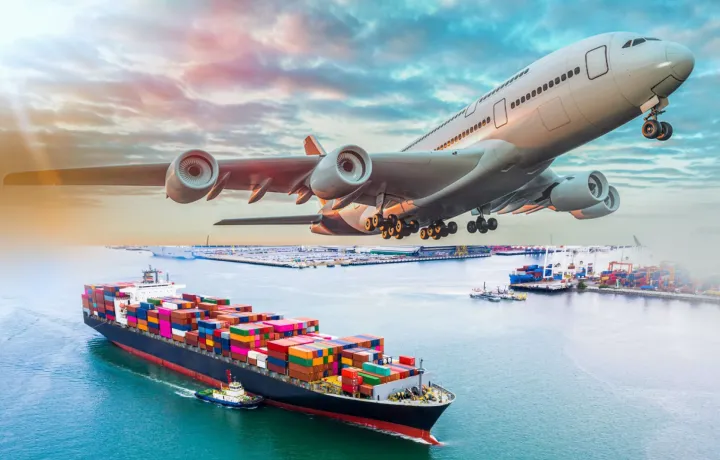
Air freight is the preferred solution when speed is more important than transportation cost. Although air freight rates are higher than sea freight, businesses often choose this option for urgent deliveries, high-value products, or time-sensitive inventory.
When Should You Choose Air Freight?
Air freight is suitable when inventory needs immediate replenishment, products have high value, or customers require fast delivery. Furthermore, shorter transit times help businesses respond quickly to changing market demand.
Air Freight Costs
Air freight charges are calculated using either actual weight or volumetric weight, depending on which is greater. Therefore, lightweight but bulky cargo may cost more than expected. Requesting an accurate freight quotation before shipping helps businesses manage logistics expenses effectively.
Typical Transit Times
Most international air freight shipments from China arrive within 3–7 days, depending on the destination, flight schedules, customs clearance, and final delivery arrangements. As a result, air freight provides one of the fastest China international shipping solutions available.

How Much Does It Cost to Ship Goods from China?
The cost of shipping depends on several factors, including the transportation method, cargo size, destination, and current market conditions. Therefore, comparing different logistics solutions before booking a shipment can help businesses reduce overall shipping expenses and improve supply chain efficiency.
Factors That Affect Shipping Costs
Several elements influence shipping costs from China, including:
- Shipping method (sea, air, rail, or express)
- Cargo weight and volume
- Shipping route
- Fuel surcharges
- Customs duties and taxes
- Port handling charges
- Inland transportation
- Seasonal demand
Moreover, freight rates often increase during peak shipping seasons, making early planning an effective way to control logistics costs.
Estimated Shipping Costs
The following estimates provide a general comparison of common shipping methods.
| Shipping Method | Estimated Cost | Best For |
|---|---|---|
| FCL Sea Freight | USD 2,000–5,000 per 40HQ | Large shipments |
| LCL Sea Freight | USD 80–180 per CBM | Small shipments |
| Air Freight | USD 4–8 per kg | Urgent cargo |
| Express Courier | USD 8–15 per kg | Samples and small parcels |
What Documents Are Required to Ship Goods from China?
Preparing accurate shipping documents is essential when learning how to ship goods from China. Missing or incorrect paperwork can lead to customs delays, additional charges, or shipment holds. Therefore, businesses should ensure all required documents are complete before cargo leaves China.
Commercial Invoice
The commercial invoice provides details about the buyer, seller, products, quantity, value, and trade terms. Customs authorities use this document to determine duties, taxes, and import compliance. Accurate information helps speed up customs clearance and reduces the risk of inspection delays.
Packing List
A packing list describes the contents of each package, including dimensions, weight, carton numbers, and packaging details. Freight forwarders, customs officers, and warehouse staff rely on this document to verify cargo and organize transportation efficiently.
Bill of Lading or Air Waybill
The Bill of Lading (B/L) is issued for sea freight, while the Air Waybill (AWB) is used for air freight. These transport documents confirm that the carrier has received the cargo and outline the shipping route, consignee, and delivery instructions.
Export Customs Declaration
The export customs declaration is submitted to Chinese customs before goods are shipped overseas. This document confirms that the cargo complies with export regulations and is approved for international transportation.
| Document | Purpose |
|---|---|
| Commercial Invoice | Declares the cargo value and product details |
| Packing List | Lists package contents, dimensions, and weight |
| Bill of Lading / Air Waybill | Serves as the transport contract and shipment receipt |
| Export Customs Declaration | Completes export customs procedures in China |
Tips for Shipping Goods from China Successfully
Successful international shipping requires careful planning and effective logistics management. Following a few best practices can help reduce delays, lower costs, and improve delivery reliability.
Plan Shipments Early
Booking freight in advance provides more carrier options and competitive freight rates. Moreover, early planning helps businesses avoid delays during peak shipping seasons and public holidays.
Choose the Right Shipping Method
Select sea freight, air freight, or rail freight based on your cargo volume, budget, and delivery schedule. Matching the transportation method to your business needs can improve both efficiency and cost control.
Work with an Experienced Freight Forwarder
A professional freight forwarder can manage documentation, carrier bookings, customs clearance, and shipment tracking. Additionally, experienced logistics partners provide practical advice that helps businesses avoid common shipping mistakes.
Track Your Shipment
Most logistics providers offer real-time shipment tracking, allowing businesses to monitor cargo throughout the transportation process. Regular updates improve supply chain visibility and help companies prepare for final delivery.
Request a Quote
Whether you’re shipping a single order or managing regular imports, our logistics experts can help you understand how to ship goods from China efficiently and cost-effectively. Contact us today for a free consultation, competitive freight rates, and customized shipping solutions designed to meet your business needs.
Get in touch with us today to receive a customized quote and expert advice on the best economy shipping options for your business.

FAQ (Beyond the Main Content)
Q1:How do I ship goods from China for the first time?
Start by selecting a reliable supplier and an experienced freight forwarder. Next, choose the most suitable shipping method, prepare the required documents, complete customs clearance, and arrange final delivery. Planning each step carefully helps ensure a smooth shipping process.
Q2:What is the cheapest way to ship goods from China?
Sea freight is generally the most economical option for large shipments. LCL shipping is suitable for smaller cargo, while FCL offers lower costs per unit for businesses shipping enough goods to fill a container.
Q3:How long does it take to ship goods from China?
Air freight usually takes 3–7 days, while sea freight typically requires 18–40 days depending on the destination, customs clearance, and local delivery arrangements.
Q4:Do I need a freight forwarder to ship goods from China?
Although it is possible to arrange shipping independently, most businesses choose a freight forwarder because they simplify transportation, manage customs documentation, coordinate carriers, and reduce logistics risks.
Q5:What documents are required for international shipping?
The main documents include a commercial invoice, packing list, Bill of Lading or Air Waybill, and export customs declaration. Some destinations may also require additional certificates depending on the products being shipped.
Q6: How can I reduce shipping costs from China?
You can reduce shipping expenses by consolidating cargo, selecting the appropriate transportation method, planning shipments early, and working with an experienced logistics provider that offers competitive freight solutions.