
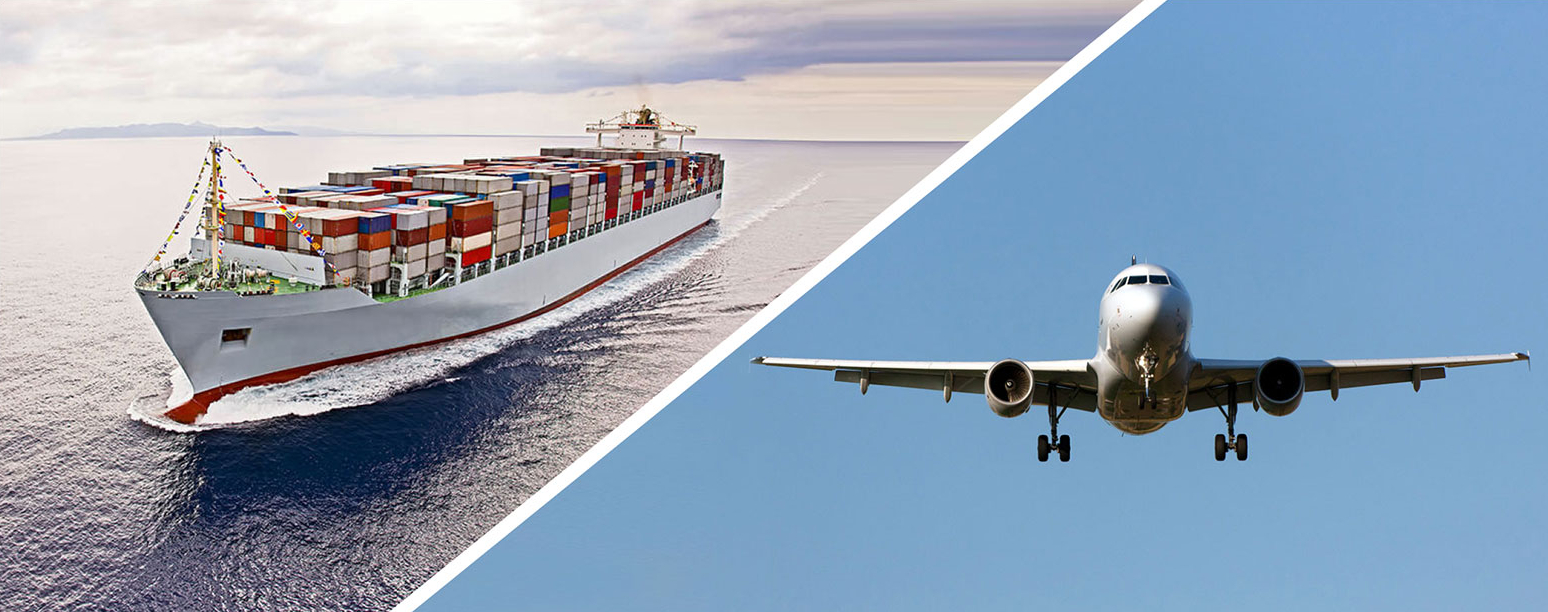
shipping time from China to USA depends on the transportation method, origin and destination ports, customs clearance, and final delivery arrangements. For importers and businesses, understanding the complete transit timeline is essential for inventory planning, customer delivery schedules, and supply chain management. This guide explains typical shipping times and shows how different logistics solutions affect the final delivery date.
What Is the Typical Shipping Time from China to USA?
There is no single transit time for every China-US shipment. Instead, the timeline depends mainly on whether cargo moves by ocean freight, air freight, express courier, or a multimodal service.
For standard commercial cargo, ocean freight is normally the most economical option, while air freight is better suited to urgent or high-value shipments. Express services can be even faster for small parcels and samples.
As a general planning range, businesses can expect:
| Shipping Method | Typical Transit Time | Best For |
|---|---|---|
| Express courier | 3–7 days | Samples, documents, small parcels |
| Air freight | 5–10 days | Urgent commercial cargo |
| Ocean FCL | 18–35 days | Full containers and regular inventory |
| Ocean LCL | 25–40 days | Smaller commercial shipments |
| Ocean + inland delivery | 25–45+ days | Warehouse and distribution cargo |
These are planning ranges rather than guaranteed delivery dates. For example, published 2025-2026 industry data places ocean freight at roughly 18–27 days to the US West Coast and 28–44 days to the East Coast when broader door-to-door factors are included.
Therefore, businesses should calculate the entire logistics process rather than looking only at vessel transit time.
How Does the Shipping Time from China to USA Vary by Route?
The route has a major effect on transit time. China-to-US West Coast services are generally faster because the Pacific crossing is shorter than routes to the East Coast.
For example, common routes include:
- Shenzhen/Yantian → Los Angeles/Long Beach
- Shanghai/Ningbo → Los Angeles/Long Beach
- Qingdao → Los Angeles/Long Beach
- Shanghai/Ningbo → New York/New Jersey
- Shanghai/Ningbo → Savannah/Charleston
Current industry route data shows that direct or near-direct FCL services from Shanghai/Ningbo to Los Angeles or Long Beach can take approximately 14–21 days port-to-port, while Shanghai/Ningbo to New York/New Jersey can take around 28–38 days via the Panama Canal.
However, port-to-port transit is only one part of the schedule. Cargo also needs factory pickup, export customs clearance, container loading, destination customs clearance, and inland transportation.
West Coast vs. East Coast
The West Coast is often the preferred option when speed is important. Los Angeles and Long Beach provide major gateways for China-US container traffic, followed by truck or rail transportation to inland markets.
Meanwhile, East Coast routes can take longer because vessels must travel farther and may use the Panama Canal or an intermodal land bridge.
For example, a shipment from Shanghai to Los Angeles may have a vessel transit of around two to three weeks, whereas Shanghai to New York can require approximately four to five weeks depending on the service and route.

Which Shipping Method Is Best for China Freight Shipping Services?
Choosing the right transportation method is more important than simply finding the shortest transit time. A business should consider cargo volume, product value, delivery deadline, inventory level, and shipping costs from China.
Ocean Freight
Ocean freight remains the primary choice for large commercial shipments. FCL is suitable when a company has enough cargo to fill a container, while LCL allows several businesses to share container space.
FCL generally provides better control over the shipment because the container is dedicated to one shipper. LCL, however, can be more flexible for smaller shipments.
Air Freight
Air freight is significantly faster than ocean transportation. It is useful for urgent replenishment, high-value products, production components, and time-sensitive cargo.
Nevertheless, the higher cost per kilogram means it should be used selectively. For many importers, a combination of ocean freight for regular inventory and air freight for urgent replenishment creates a more balanced supply chain.
Express Shipping
Express courier services are usually the fastest choice for small shipments. They are particularly practical for samples, documents, prototypes, and low-volume orders.
However, express shipping is not normally economical for large commercial cargo.
How Does the Shipping Time from China to USA Work in a Real Shipment?
A shipment does not begin when the vessel leaves China. The actual logistics clock starts much earlier.
A typical ocean shipment can involve:
- Supplier completes production.
- Cargo is packed and inspected.
- A freight forwarder arranges factory pickup.
- Cargo reaches the export warehouse or port.
- Export documentation is prepared.
- China customs clearance is completed.
- Cargo is loaded onto the vessel.
- The vessel crosses the Pacific.
- The US port receives the container.
- Import customs clearance is completed.
- Cargo is released for inland transportation.
- Truck or rail delivery moves the goods to the final warehouse.
Therefore, a quoted “20-day transit time” may refer only to port-to-port movement rather than the complete door-to-door schedule.
Case Example 1: Shenzhen to Los Angeles by Ocean
Shipment date: March 3, 2026
Transport: FCL ocean freight
Origin: Shenzhen/Yantian
Destination: Los Angeles/Long Beach
Cargo: Commercial container shipment
Planning sequence:
- March 3: Factory pickup
- March 4: Cargo delivered to export facility
- March 5–6: Export documentation and customs processing
- March 7: Container loaded for departure
- March 7–24: Ocean transportation
- March 25–27: US port handling and customs processing
- March 28–31: Truck delivery to warehouse
This example illustrates why a shipment with approximately 17–18 days of ocean movement can require close to four weeks from factory pickup to warehouse delivery.
The important lesson is that shipping time from China to USA should be calculated from the point at which cargo is ready for pickup, not simply from vessel departure.
What Affects Shipping Time from China to USA?
Several factors can change the delivery schedule even when the same route is used.
1. Port Congestion
High cargo volumes can create vessel delays, container shortages, terminal congestion, or longer truck appointment times.
2. Customs Clearance
Incorrect HS codes, incomplete commercial invoices, inconsistent product descriptions, or missing documents can delay customs clearance.
3. Supplier Readiness
A supplier that finishes production late can cause the shipment to miss the planned vessel cut-off. As a result, cargo may wait several additional days for the next sailing.
4. Peak Shipping Season
Demand typically increases before major retail periods and holidays. During peak periods, space can become tighter and shipping schedules can become less predictable.
5. Inland Transportation
The final destination matters. Cargo delivered to Los Angeles may require only a short domestic trucking leg, while cargo moving from a US West Coast port to Chicago, Dallas, or New York may require additional trucking or rail transportation.
6. Weather and Operational Disruptions
Severe weather, labor issues, vessel schedule changes, and other operational disruptions can affect transit time.
Moreover, current market conditions can change quickly. In 2025, for example, industry reporting noted an average Transpacific transit time of around 22 days while carriers were adjusting capacity on China-US routes.
Real Case Example: Shanghai to the US West Coast
A useful real-world reference comes from 2025 route data covering major China-US ocean services.
Route: Shanghai/Ningbo → Los Angeles/Long Beach
Transport: FCL container vessel
Ocean transit: Approximately 14–21 days
Route: Trans-Pacific
Industry route data describes these figures as vessel transit times and specifically notes that they do not include factory pickup, export clearance, waiting time, US customs clearance, or final delivery.
This distinction is important for importers.
For example, if an inventory planner needs goods in a US warehouse by April 30, simply counting backward 18 days from the delivery deadline would be risky. The company should also allow time for origin handling, customs, port operations, and inland transportation.
A more conservative planning approach could allocate four to five weeks for the complete ocean logistics cycle, depending on the origin, destination, service level, and cargo readiness.
How Can Businesses Reduce Shipping Time from China to USA?
Reducing transit time does not always mean paying for premium transportation. Better preparation can remove several avoidable delays.
Prepare Documents Before Cargo Is Ready
Commercial invoices, packing lists, HS codes, importer information, and other required documentation should be checked before shipment.
Additionally, product descriptions should remain consistent across the commercial invoice, packing list, customs declaration, and purchase documentation.
Book Space Early
For regular FCL shipments, early booking helps businesses secure the preferred sailing schedule. This is particularly important when inventory is approaching a critical level.
Choose the Correct US Gateway
The closest port is not always the fastest overall solution. For example, cargo destined for the Midwest may benefit from comparing West Coast ocean plus rail against an East Coast service.
Use a Freight Forwarder for End-to-End Coordination
Professional freight forwarding from China can coordinate supplier pickup, export handling, ocean or air transportation, customs clearance, and final delivery.
A capable freight forwarder should also explain the difference between port-to-port and door-to-door transit time.
Build a Buffer Into the Delivery Schedule
If inventory must arrive on a specific date, businesses should avoid planning around the shortest possible transit time.
Instead, establish a realistic delivery window with several days of operational buffer. As a result, unexpected port or customs delays are less likely to cause a stockout.
How Do Shipping Costs and Transit Time Work Together?
Fast transportation normally costs more, but the cheapest transportation method is not always the lowest-cost business solution.
For example, imagine a company needs inventory for a major sales campaign. Ocean freight may save thousands of dollars compared with air freight, but a month-long delay could result in lost sales.
On the other hand, using air freight for every shipment may unnecessarily increase logistics costs.
A better strategy is to divide cargo according to urgency:
- Regular inventory → ocean FCL
- Smaller shipments → LCL
- Urgent replenishment → air freight
- Samples and documents → express
- Large inland distribution → ocean plus rail/truck
Therefore, businesses should evaluate freight rates together with inventory value, stockout risk, and delivery requirements.
What Documents Help Avoid Customs Delays?
Proper documentation is essential for China import and export logistics.
| Document | Purpose |
| Commercial Invoice | Shows transaction value and product information |
| Packing List | Provides package, weight, and dimension details |
| Bill of Lading / Air Waybill | Confirms transportation details |
| HS Code Information | Supports customs classification |
| Importer Information | Identifies the responsible US importing party |
| Additional Certificates | Required for certain regulated products |
Not every shipment requires the same documents. Product type, customs classification, Incoterms, and US import requirements can affect the documentation process.
Consequently, importers should confirm requirements before cargo departs China rather than waiting until the shipment reaches the United States.
How Should Businesses Plan China to USA Freight Services?
Good delivery planning starts with the required arrival date.
For example, if goods are needed in a US warehouse on September 30, the importer should work backward:
Required warehouse date → inland delivery → US customs → port arrival → ocean transit → export clearance → factory pickup → production completion
This reverse-planning method is more reliable than simply asking, “How many days does shipping take?”
It also helps businesses compare different China international shipping solutions based on actual supply chain requirements.
For companies with regular import volumes, maintaining multiple logistics options can provide additional flexibility. A normal inventory shipment can move by ocean, while urgent replenishment can move by air.
That approach helps balance shipping costs, transit time, and inventory availability.
Looking for a shipping quote?
📩 Need a reliable shipping plan from China to the USA? Contact a professional logistics team for route selection, freight quotations, customs coordination, and delivery scheduling based on your cargo and required arrival date. Understanding the shipping time from China to USA before booking can help your business choose the right service and reduce avoidable delays.
Frequently Asked Questions (FAQ)
How long does sea freight take from China to the USA?
Sea freight commonly takes about 18–35 days for port-to-port movement depending on the route. West Coast services are generally faster than East Coast services. However, door-to-door delivery can take longer because factory pickup, export customs, destination clearance, port handling, and inland transportation must also be included.
What is the fastest way to ship from China to the USA?
Express courier is usually the fastest option for small shipments, often taking around 3–7 days. Air freight is more suitable for larger commercial cargo and commonly takes about 5–10 days door-to-door. The best option depends on cargo weight, dimensions, urgency, and budget.
Why does China to USA shipping sometimes take longer?
Delays can result from port congestion, missed vessel cut-offs, customs inspections, documentation errors, weather, limited vessel capacity, or inland transportation problems. Therefore, importers should plan using a realistic delivery window rather than relying on the shortest advertised transit time.
Is FCL faster than LCL shipping?
FCL is often more predictable because the container is dedicated to one shipment. LCL cargo must be consolidated and deconsolidated, which can add handling time. For larger shipments, FCL can therefore provide a simpler and more consistent delivery schedule.
How long does air freight from China to the USA take?
Air freight generally takes about 5–10 days door-to-door for commercial shipments, although the exact schedule depends on airport handling, customs clearance, flight availability, and final delivery. Urgent shipments can sometimes move faster when premium services are available.