

Understanding how to reduce shipping costs is essential for importers, exporters, and businesses managing international supply chains. Rising freight expenses, changing market conditions, and complex transportation processes can directly affect business profits. Therefore, companies need effective strategies to optimize logistics expenses while maintaining reliable delivery schedules.
International shipping costs depend on many factors, including transportation methods, cargo volume, shipping routes, customs requirements, and market conditions. Moreover, businesses that understand these factors can make better decisions, improve supply chain efficiency, and avoid unnecessary expenses.
This guide explains practical ways to reduce shipping costs while maintaining transportation quality, delivery speed, and customer satisfaction.
How to Reduce Shipping Costs Without Affecting Delivery Efficiency?
Reducing shipping costs does not simply mean choosing the cheapest transportation option. Although lower prices may seem attractive, businesses must also consider transit time, reliability, and service quality.
For example, selecting the lowest freight rate may result in longer delivery times, unexpected fees, or poor shipment management. Therefore, companies should focus on finding a balance between cost and efficiency.
Several strategies can help businesses reduce logistics expenses:
- Choosing the right shipping method
- Optimizing shipment volume
- Planning transportation schedules
- Working with experienced freight partners
- Improving supply chain management
Additionally, businesses should regularly review their shipping processes. As market conditions change, transportation strategies that worked previously may no longer provide the best value.
What Factors Increase International Shipping Costs?
Before learning how to reduce shipping costs, businesses need to understand what causes shipping expenses to increase. International transportation involves multiple cost factors, and each one can influence the final quotation.
Shipment Volume and Cargo Weight
Cargo size and weight are major factors affecting freight prices. Generally, larger shipments can achieve lower transportation costs per unit because businesses can optimize container space.
For example:
- Full Container Load (FCL) is suitable for large shipments.
- Less than Container Load (LCL) is suitable for smaller shipments.
- Consolidated shipments can help reduce unnecessary transportation expenses.
Moreover, accurate cargo information helps freight forwarders provide more competitive quotations.
Shipping Method Selection
The transportation method has a significant impact on overall costs.
| Shipping Method | Cost Level | Transit Time | Best For |
|---|---|---|---|
| Sea Freight | Low | 20–45 days | Large and regular shipments |
| Air Freight | High | 3–10 days | Urgent deliveries |
| Rail Freight | Medium | 15–25 days | Balanced cost and speed |
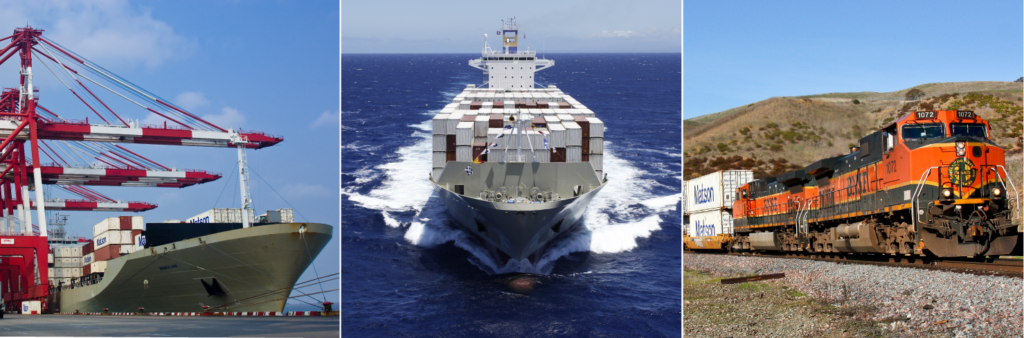
Sea freight is usually the preferred option for businesses that prioritize lower costs. However, air freight may be more suitable when delivery speed is more important than transportation expenses.
Shipping Routes and Destination
Shipping routes also influence freight costs. Routes with frequent carrier services usually provide more competitive prices.
For example, major export ports in China, such as Shenzhen and Shanghai, often have more shipping options because of their strong international connections.
Additionally, destination charges, local transportation fees, and import requirements can increase the total shipping budget.
How Can Choosing the Right Shipping Method Reduce Costs?
Selecting the correct transportation method is one of the most effective ways to control international logistics expenses.
Businesses should consider:
- Cargo size
- Delivery deadline
- Product value
- Destination
- Customer expectations
For example, a company shipping large inventory from China to the United States may choose ocean freight because it offers lower costs for bulk transportation. Meanwhile, a company launching a new product may choose air freight to avoid missing market opportunities.
Furthermore, combining different transportation methods can create better cost efficiency. Some businesses use sea freight for regular shipments and air freight only for urgent orders.
How Can Freight Forwarders Help Reduce Shipping Expenses?
A professional freight forwarder plays an important role in helping businesses optimize transportation costs. Instead of managing multiple carriers and service providers independently, companies can use logistics experts to coordinate the entire shipping process.
A reliable freight forwarder can help with:
- Comparing freight rates
- Selecting suitable carriers
- Optimizing shipping routes
- Managing customs clearance
- Improving delivery schedules
- Providing logistics solutions
Moreover, experienced freight forwarders understand international markets and can recommend more efficient transportation plans.
For businesses using China freight shipping services, working with a knowledgeable logistics partner can reduce unnecessary costs and improve shipment reliability.
How Does Shipment Planning Help Reduce Shipping Costs?
Proper planning is another effective way to control logistics expenses. Many businesses experience higher costs because shipments are arranged too late or without proper preparation.
Companies can reduce costs by:
Booking Shipments Earlier
During peak seasons, freight demand increases and transportation capacity becomes limited. Therefore, early booking can help businesses avoid higher market prices.
Consolidating Shipments
Combining multiple smaller shipments into one larger shipment can reduce transportation costs.
For example, instead of shipping several small orders separately, businesses can combine cargo into one scheduled shipment.
Improving Inventory Planning
Better inventory management helps businesses avoid emergency shipments, which are usually more expensive.
Additionally, a predictable shipping schedule allows companies to manage their supply chain more efficiently.
Real Example: How a Business Reduced Shipping Costs from China to USA
A US-based importer regularly shipped goods from Shenzhen, China, to Los Angeles. However, the company noticed that transportation expenses increased because shipments were arranged separately and required different service providers.
After working with a professional freight forwarding company, the logistics process was optimized:
| Shipping Details | Information |
|---|---|
| Route | Shenzhen, China → Los Angeles, USA |
| Shipping Method | Ocean Freight |
| Cargo Type | Regular commercial shipment |
| Service Included | Cargo pickup, ocean transportation, customs clearance, final delivery |
| Transit Time | Around 25–35 days |
The freight forwarder improved container planning, optimized the shipping schedule, and combined multiple logistics services into one solution.
As a result, the company reduced unnecessary charges, improved delivery reliability, and gained better control over transportation costs.
This example shows that how to reduce shipping costs depends not only on finding cheaper freight rates but also on improving the entire logistics process.
How Can Customs Management Help Reduce Shipping Costs?
Customs clearance is an important part of international transportation and can directly influence total shipping expenses. Many businesses focus only on freight charges but overlook additional costs caused by incorrect documents, customs delays, storage fees, or unexpected import requirements.
Therefore, effective customs management is an important strategy when learning how to reduce shipping costs. A professional logistics partner can help businesses prepare accurate documents, understand import regulations, and avoid unnecessary delays.
Common customs-related costs include:
- Import duties and taxes
- Customs inspection fees
- Storage charges caused by delays
- Documentation correction fees
- Port handling expenses
Moreover, businesses should prepare all required documents before shipment departure. These documents usually include:
- Commercial invoice
- Packing list
- Bill of lading
- Certificate of origin (if required)
- Import declaration documents
Additionally, working with a freight forwarder experienced in customs clearance from China can help companies reduce risks and improve delivery efficiency.
Looking for a shipping quote?
📩Need help understanding how to reduce shipping costs for your international business? Contact our logistics experts today for customized shipping advice, competitive freight quotations, and professional transportation solutions. Whether you need China freight shipping services, ocean freight, air freight, customs clearance, or door-to-door delivery, our team can help you optimize your global supply chain.
Frequently Asked Questions (FAQ)
How can I reduce shipping costs from China?
Businesses can reduce shipping costs by choosing the right transportation method, consolidating shipments, planning orders in advance, and working with an experienced freight forwarder. Comparing different logistics solutions can also help identify more cost-effective options.
Does sea freight help reduce shipping costs?
Yes. Sea freight is usually one of the most affordable options for large shipments because it provides lower transportation costs compared with air freight. However, businesses should consider transit time and delivery requirements before choosing this method.
Can a freight forwarder help reduce shipping expenses?
Yes. A professional freight forwarder can optimize shipping routes, compare carrier prices, manage customs procedures, and provide suitable transportation solutions to reduce unnecessary costs.
How does shipment consolidation reduce costs?
Shipment consolidation combines multiple smaller shipments into one larger shipment. As a result, businesses can improve container utilization, reduce handling fees, and achieve better freight rates.
What factors affect international shipping costs?
International shipping costs depend on cargo weight, volume, shipping method, destination, fuel prices, customs requirements, and market conditions. Therefore, businesses should evaluate all factors before selecting a shipping plan.