

FCL Shipping China Mexico: The Complete Guide to Ocean Freight
FCL shipping china mexico represents a vital artery for global trade, connecting the manufacturing power of Asia with the expanding markets of North America. Navigating these complex international waters requires a strategic approach and a reliable partner like China Shipping Hub to ensure your cargo arrives safely and on time. Consequently, businesses must understand the nuances of container logistics, port operations, and regulatory compliance to remain competitive in today’s fast-paced economy.

What is FCL Shipping China Mexico and Why Does It Matter?
Full Container Load, commonly known as FCL, refers to a shipping arrangement where a single importer occupies an entire container for their goods. This method stands in contrast to Less than Container Load (LCL), where multiple shippers share the same space. Furthermore, choosing sea freight in the form of FCL offers significant advantages for those moving large volumes of inventory.
Importers often prefer FCL shipping china mexico because it provides a dedicated environment for their products, reducing the risk of damage or contamination from other cargo. Moreover, the streamlined nature of FCL logistics typically results in faster handling at both the origin and destination ports. Therefore, businesses looking to scale their operations often transition to FCL to maximize efficiency and protect their bottom line.

Selecting the right container size is the first step in this process. Most carriers offer standard 20-foot and 40-foot options, each suited for different cargo types and weights. Additionally, specialized containers like high cubes or reefers are available for specific industry needs, ensuring that every type of product finds a suitable transport solution.
Key Benefits of Full Container Load Logistics
Security remains a primary concern for international traders, and FCL shipping provides an extra layer of protection through container sealing. Once the factory loads the goods, the container is sealed and remains closed until it reaches the final destination or a customs inspection point. Consequently, the likelihood of theft or tampering decreases significantly compared to shared shipping methods.
Cost-effectiveness is another major driver for choosing FCL shipping china mexico. While the upfront cost of a full container is higher than a single LCL pallet, the cost per unit of cargo is almost always lower. Furthermore, FCL shipments avoid the consolidation and deconsolidation steps required for LCL, which often lead to additional handling fees and potential delays.
Predictability in transit times allows for better inventory management and supply chain planning. Because FCL containers move directly from the supplier to the port and then to the buyer, there are fewer touchpoints where delays can occur. Indeed, this direct flow helps businesses maintain consistent stock levels and meet the demands of the Mexican market without unexpected interruptions.
Major Ports for Shipping from China to Mexico
China boasts some of the world’s most advanced port infrastructures, with facilities in Shanghai, Ningbo, and Shenzhen leading the way for Mexico-bound cargo. These ports offer frequent departures and state-of-the-art loading technology to ensure rapid vessel turnaround. Meanwhile, the strategic location of these hubs allows for efficient inland transport from manufacturing centers across the country.
Mexico provides several key gateways for maritime trade, with Manzanillo and Lazaro Cardenas serving as the primary ports on the Pacific coast. Manzanillo handles the highest volume of container traffic, offering extensive rail and road connections to the interior. Lazaro Cardenas, on the other hand, provides deep-water berths capable of hosting the largest modern container ships.
Understanding the specific strengths of each port can help importers optimize their routes. For instance, choosing a port closer to the final destination in Mexico can drastically reduce inland trucking costs. Additionally, some ports may experience less congestion during peak seasons, providing a faster alternative for time-sensitive shipments.
| Origin Port (China) | Destination Port (Mexico) | Avg. Transit Time | Frequency |
|---|---|---|---|
| Shanghai | Manzanillo | 22-25 Days | Daily |
| Ningbo | Lazaro Cardenas | 24-28 Days | 3-4 times/week |
| Shenzhen | Manzanillo | 20-23 Days | Daily |
| Qingdao | Ensenada | 28-32 Days | Weekly |
How Does FCL Shipping Compare to Other Shipping Options?
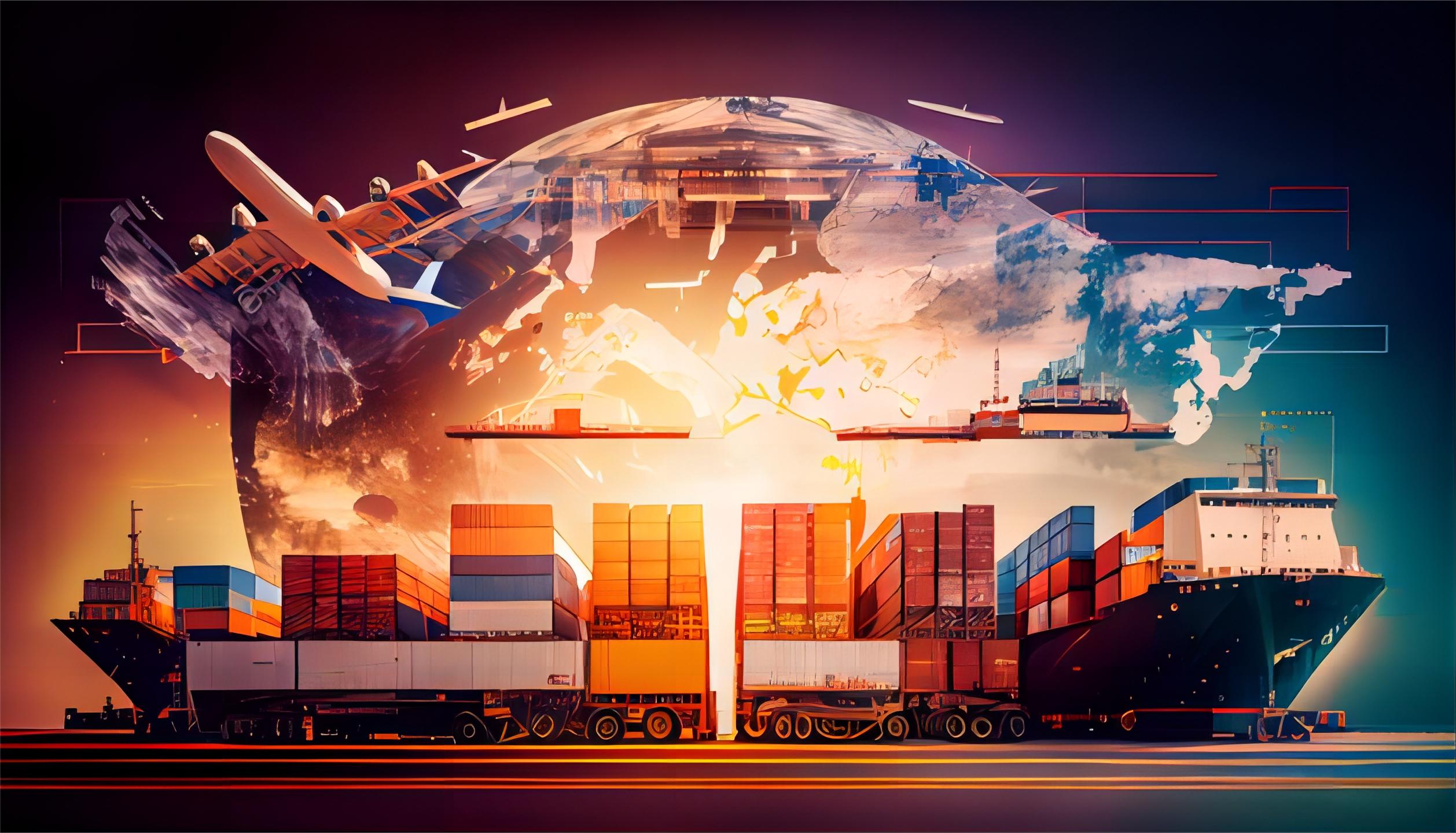
Evaluating different transport modes is essential for finding the most economical and efficient solution for your business. While FCL is excellent for high volumes, air freight remains the champion of speed for urgent deliveries. However, the cost difference is substantial, as air transport can be five to ten times more expensive than sea freight for the same weight.
LCL shipping serves as a middle ground for smaller businesses that cannot fill a whole container. Although LCL offers flexibility, it often involves longer transit times due to the time needed to group multiple shipments together. In contrast, FCL shipping china mexico provides a direct route that bypasses these logistical hurdles, making it the preferred choice for established importers.
Hybrid solutions, such as sea-air combinations, are gaining popularity for shipments that require a balance between cost and speed. These strategies involve shipping by sea to a hub like Los Angeles and then flying the goods to Mexico City. Nevertheless, for the majority of bulk consumer goods and industrial components, a direct FCL ocean route remains the most sustainable and cost-effective strategy.
| Shipping Method | Cost Range | Transit Time | Best For |
|---|---|---|---|
| FCL (40HQ) | $3,000 – $4,500 | 20-30 Days | Large volumes |
| LCL (per CBM) | $80 – $150 | 35-45 Days | Small batches |
| Air Freight | $5 – $9 per kg | 3-7 Days | Urgent/High value |
| Sea-Air | Medium | 12-18 Days | Balanced needs |
Understanding FCL Shipping China Mexico Costs and Rates
Freight rates in the trans-Pacific lane are subject to constant fluctuation based on market demand, fuel prices, and seasonal trends. During the peak season, which typically runs from August to October, prices can spike as retailers prepare for the holiday rush. Consequently, booking your FCL shipping china mexico well in advance is a smart move to secure lower rates and guaranteed space.
Ocean freight is only one component of the total landed cost. Importers must also account for Terminal Handling Charges (THC), documentation fees, and security surcharges at both ends of the journey. Furthermore, fluctuations in the Bunker Adjustment Factor (BAF) can impact the final invoice, making it important to work with a transparent logistics provider.
Inland transportation costs in Mexico can also significantly influence the total budget. Moving a container from Manzanillo to Mexico City requires reliable trucking or rail services, which come with their own set of fees and insurance requirements. Therefore, calculating the complete door-to-door cost is essential for accurate product pricing and profit margin analysis.
| Container Type | Capacity (CBM) | Max Weight (kg) | Estimated Rate |
|---|---|---|---|
| 20GP Standard | 28-30 | 28,000 | $2,000 – $2,800 |
| 40GP Standard | 56-58 | 26,000 | $3,000 – $3,800 |
| 40HQ High Cube | 68-70 | 26,000 | $3,200 – $4,200 |
| 45HQ Extra Large | 86 | 25,500 | $4,000 – $5,000 |
Navigating FCL Shipping China Mexico Customs Procedures
Customs clearance in Mexico is known for its rigorous requirements and specific documentation standards. Every shipment must be accompanied by a Pedimento, which is the official customs declaration form processed by a licensed Mexican customs broker. In addition, using a professional customs brokerage service is often mandatory to ensure compliance with local laws.
Non-Tariff Regulations, such as NOM (Normas Oficiales Mexicanas) certifications, apply to many products ranging from electronics to textiles. Failure to provide the correct NOM certificates can result in heavy fines or the seizure of goods at the border. Moreover, ensuring that all commercial invoices and packing lists are translated into Spanish and match the physical cargo exactly is crucial for a smooth entry.
Taxation is another critical aspect, with the Value Added Tax (IVA) and the Customs Processing Fee (DTA) being standard for most imports. Some goods may also be subject to General Import Tax (IGI) depending on their HS code and country of origin. Consequently, performing a thorough pre-shipment audit of all paperwork can prevent costly delays and administrative headaches during the clearance process.
Real-World FCL Shipping Case Studies
Analyzing actual shipping scenarios provides valuable insights into the practical challenges and successes of international logistics. These examples reflect typical market conditions as of late 2024 and early 2025, showing how different businesses manage their FCL shipping china mexico needs. By reviewing these cases, importers can better prepare for their own logistical journeys.
Reviewing these cases highlights the importance of choosing the right container size and route. For instance, a direct route might cost more but saves time, which is critical for seasonal inventory. On the other hand, transshipment can offer cost savings for businesses with more flexible delivery windows.
+———————————————————+ | Case Study 1: Solar Panel Distribution | | Route: Ningbo, China to Manzanillo, Mexico | | Cargo: Solar Panels, 65 CBM, 18,000 kg | | Container: 40HQ | | Shipping Details: | | – Carrier: Major Global Carrier | | – Route Type: Direct | | Cost Breakdown: | | – Ocean Freight: $3,400 | | – Origin/Dest Charges: $1,100 | | – Customs/Duties: $1,400 | | – Total Landed Cost: $5,900 | | Timeline: | | – Total Door-to-Door: 32 Days | | Key Insight: Direct routing minimized handling damage. | +———————————————————+
+———————————————————+ | Case Study 2: Fast Fashion Retail Expansion | | Route: Shenzhen, China to Lazaro Cardenas, Mexico | | Cargo: Apparel and Textiles, 28 CBM, 7,500 kg | | Container: 20GP | | Shipping Details: | | – Carrier: Regional Specialist | | – Route Type: Transshipment via Busan | | Cost Breakdown: | | – Ocean Freight: $2,200 | | – Origin/Dest Charges: $950 | | – Customs/Duties: $800 | | – Total Landed Cost: $3,950 | | Timeline: | | – Total Door-to-Door: 38 Days | | Key Insight: Transshipment saved 15% on freight costs. | +———————————————————+
Which Option Should You Choose for Your Mexico Route?
Deciding between different shipping methods requires a careful analysis of your business priorities and cargo characteristics. If your primary goal is minimizing costs for a large volume of goods, FCL shipping china mexico is almost certainly the best choice. Furthermore, for companies utilizing door to door services, FCL simplifies the logistics chain by keeping the cargo in one unit from start to finish.
Speed-sensitive shipments, such as high-tech components or emergency spare parts, should be directed toward air freight despite the higher costs. Meanwhile, small-scale importers or those testing new products might find LCL to be a more manageable entry point. However, once your volume exceeds 15 CBM, the transition to a 20-foot FCL container usually becomes more economically viable.
Cargo type also plays a significant role in the decision-making process. Perishable items or hazardous materials require specialized handling that FCL containers can provide more effectively than shared LCL spaces. Additionally, businesses serving platforms like Amazon FBA in Mexico must adhere to strict delivery windows, making the reliability of FCL a major advantage.
Tips for Optimizing Your FCL Logistics Strategy
Effective planning starts with accurate volume forecasting to ensure you book the right number of containers during peak periods. Moreover, optimizing your packaging to maximize the internal space of the container can lead to significant savings over time. For instance, using standardized pallet sizes that fit perfectly into a 40HQ container reduces wasted air space and lowers your shipping cost per unit.
Establishing strong relationships with freight forwarders and customs brokers is equally important for long-term success. A good partner will provide real-time tracking, proactive communication regarding port delays, and expert advice on Mexican trade regulations. Consequently, you can focus on growing your business while the logistics experts handle the complexities of the Pacific crossing.
Digital tools and platforms are transforming how companies manage their FCL shipping china mexico operations. Implementing cloud-based supply chain management software allows for better visibility and data-driven decision-making. Indeed, leveraging technology to monitor transit times and port performance helps you identify bottlenecks and adjust your strategy before they impact your customers.
Mastering the Future of China-Mexico Trade
In summary, FCL shipping china mexico remains the cornerstone of efficient trade between these two economic powerhouses. By understanding the benefits of full container loads, selecting the right ports, and navigating the complexities of Mexican customs, businesses can build a resilient and cost-effective supply chain. Furthermore, the strategic use of FCL logistics allows for greater security and predictability in an often volatile global market.
As market conditions continue to evolve in 2025, staying informed and adaptable is key to maintaining a competitive edge. Whether you are a seasoned importer or new to the Mexican market, prioritizing efficiency and compliance will lead to long-term growth. Remember that freight rates are subject to change based on fuel costs, carrier capacity, and seasonal demand, so always seek a current quote for your specific fcl shipping china mexico requirements.
Ready to streamline your logistics?
Streamline your international trade today with expert FCL shipping china mexico solutions. Our team provides comprehensive support from port to porch, ensuring your cargo crosses the Pacific with maximum efficiency and minimum stress. Contact China Shipping Hub now for a customized quote tailored to your specific logistics needs.
Request Quote