
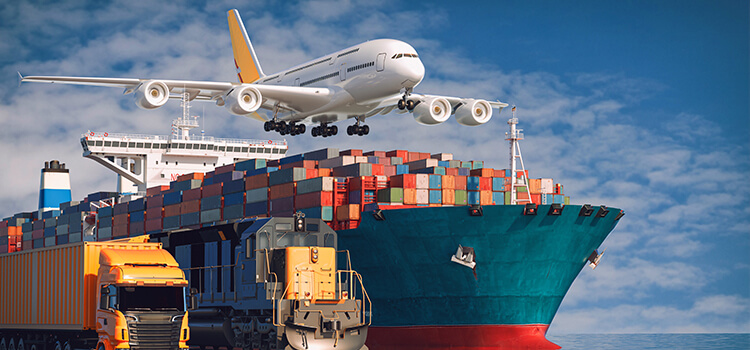
Understanding DDP shipping transit time is important for businesses that import products internationally and need reliable delivery schedules. Delivered Duty Paid (DDP) shipping provides a complete logistics solution where the seller or freight provider manages transportation, customs clearance, import duties, and final delivery. Therefore, businesses can simplify international shipping without handling complicated customs procedures themselves.
However, DDP delivery time is not fixed. The actual transit time depends on several factors, including shipping method, destination country, cargo volume, customs procedures, and seasonal market conditions. Moreover, choosing an experienced freight forwarder can help businesses improve delivery reliability and reduce unexpected delays.
This guide explains how DDP shipping works, how long it usually takes from China, what factors affect delivery speed, and how businesses can optimize their international logistics process.
What Is DDP Shipping and How Does It Work?
DDP (Delivered Duty Paid) is an international shipping method where the seller takes responsibility for almost the entire transportation process until the goods arrive at the buyer’s specified location.
Unlike traditional shipping methods where buyers handle import procedures themselves, DDP shipping provides a more convenient solution because customs clearance and duties are included.
The typical DDP shipping process includes:
- Supplier prepares the cargo
- Freight forwarder collects goods from the supplier
- Export customs clearance is completed
- International transportation begins
- Import customs clearance is handled
- Duties and taxes are paid according to the agreement
- Cargo is delivered to the final destination
For example, when a business purchases goods from China and chooses DDP shipping from China, the logistics provider manages the shipment from the supplier’s warehouse until delivery to the buyer’s location.
Moreover, DDP is commonly used by:
- Amazon sellers
- E-commerce businesses
- Importers
- Wholesalers
- International retailers
Because customs clearance is included, DDP reduces the complexity of international trade and allows companies to focus on sales and operations.
Why Is DDP Shipping Transit Time Important for Businesses?
For global businesses, delivery time directly affects inventory management, customer satisfaction, and supply chain efficiency.
Understanding DDP shipping transit time helps companies:
- Plan inventory levels
- Avoid stock shortages
- Manage customer expectations
- Improve production schedules
- Control logistics costs
For example, an online retailer importing products from China needs accurate delivery estimates to ensure inventory arrives before promotional campaigns or seasonal sales periods.
Additionally, predictable shipping schedules help businesses create better supply chain strategies. Therefore, companies should consider transit time together with shipping costs when selecting a logistics solution.
What Factors Affect DDP Shipping Transit Time?
DDP delivery time can vary depending on multiple factors. Although DDP includes customs clearance and final delivery, different transportation conditions can influence the overall timeline.
Shipping Method
The transportation method is one of the biggest factors affecting delivery speed.
Common DDP transportation methods include:
| Shipping Method | Average Transit Time | Best For |
|---|---|---|
| Sea Freight DDP | 25–45 days | Large shipments and cost control |
| Air Freight DDP | 5–12 days | Urgent or high-value cargo |
| Rail Freight DDP | 15–30 days | Balanced speed and cost |
Sea freight is usually the most affordable option for large shipments. However, it requires a longer delivery period because of ocean transportation and port handling.
Meanwhile, air freight provides faster delivery but usually comes with higher shipping costs.
Destination Country and Shipping Route
The destination location also affects DDP shipping time.
For example, shipping routes from China to major markets usually have more frequent transportation options.
Common routes include:
Additionally, the final delivery location can influence the last-mile transportation time. Delivering to a major city may be faster compared with remote areas.
Customs Clearance Process
Although DDP includes customs clearance, the process can still affect delivery schedules.
Factors that may cause delays include:
- Incorrect shipping documents
- Product inspection
- Import regulation requirements
- Customs processing speed
Therefore, working with a professional DDP freight forwarding provider can reduce customs-related delays.
How Long Is DDP Shipping Transit Time From China?
The average DDP shipping transit time from China depends on the destination, transportation method, and service arrangement.
| Shipping Route | Method | Estimated Transit Time |
|---|---|---|
| China to USA | Sea DDP | 25–40 days |
| China to Europe | Sea DDP | 30–45 days |
| China to UK | Sea/Rail DDP | 25–40 days |
| China to Australia | Sea DDP | 20–35 days |
For most businesses, sea freight DDP is the preferred option because it provides a balance between cost and delivery reliability.
However, businesses requiring faster inventory replenishment may choose air freight DDP despite the higher cost.
What Is Included in DDP Shipping Services?
A major advantage of DDP shipping is that it provides a complete transportation solution.
A typical China DDP shipping service may include:
- Supplier pickup
- Export customs clearance
- International freight transportation
- Import customs clearance
- Duties and taxes handling
- Final delivery
Moreover, DDP reduces the need for buyers to communicate with multiple logistics providers.
For international importers, this creates a simpler shipping experience because one logistics partner manages the entire process.
How Does DDP Shipping Compare With Other Shipping Methods?
When choosing an international shipping solution, businesses often compare DDP with other options such as FOB, EXW, or express shipping. Each method has different responsibilities, costs, and delivery processes.
Understanding these differences can help importers select the most suitable option based on their business requirements.
| Shipping Method | Cost Level | Transit Time | Customs Responsibility |
|---|---|---|---|
| DDP Shipping | Medium | Medium | Seller/Freight Provider Handles |
| FOB Shipping | Lower | Depends on buyer arrangement | Buyer Handles Import |
| EXW Shipping | Lowest Initial Price | Depends on buyer | Buyer Handles Entire Process |
| Express Shipping | High | Fast | Usually Managed by Carrier |
DDP Shipping
DDP provides a complete door-to-door logistics solution. The seller or logistics provider manages export procedures, international transportation, customs clearance, duties, and final delivery.
Therefore, DDP is suitable for businesses that want a simple shipping process without managing complicated import procedures.
For example, small and medium-sized importers often choose DDP because they may not have experience with customs regulations in foreign markets.
FOB Shipping
FOB (Free On Board) is commonly used in international trade when buyers have their own logistics network.
Under FOB terms:
- The seller delivers goods to the departure port.
- The buyer manages international transportation.
- The buyer handles import customs clearance.
However, FOB requires more logistics knowledge from the buyer. Therefore, it may not be the best choice for businesses that want a complete shipping solution.
EXW Shipping
EXW (Ex Works) places most responsibilities on the buyer. Although the initial product price may appear lower, buyers must arrange almost everything after purchasing.
This includes:
- Pickup from supplier
- Export procedures
- International transportation
- Customs clearance
- Final delivery
As a result, EXW may create additional management work for businesses without logistics experience.
What Can Delay DDP Shipping Transit Time?
Although DDP shipping provides a convenient solution, several factors can affect delivery schedules. Therefore, businesses should understand potential delays before arranging shipments.
Customs Inspection
Customs inspections can increase delivery time, especially when authorities require additional product information or documentation.
Moreover, different countries have different import regulations, which may affect clearance speed.
To reduce inspection risks, businesses should prepare:
- Accurate commercial invoices
- Complete packing lists
- Correct product descriptions
- Required certificates
Incorrect Shipping Documents
Documentation errors are one of the most common reasons for shipment delays.
Examples include:
- Incorrect product information
- Missing documents
- Wrong customs classification
- Inconsistent shipment details
Therefore, working with an experienced freight forwarder can help ensure documents are prepared correctly before shipment departure.
Port Congestion and Peak Seasons
International transportation can experience delays during busy periods.
For example:
- Holiday shopping seasons
- Chinese New Year
- Major sales events
- Peak import periods
During these periods, limited transportation capacity may increase both transit time and shipping costs.
Additionally, businesses should plan shipments earlier to avoid unexpected delays.
How Can Businesses Reduce DDP Shipping Delays?
Improving delivery reliability requires proper planning and cooperation with experienced logistics partners.
Businesses can reduce delays by following these strategies:
Prepare Shipping Documents Early
Having complete documentation before shipment departure helps avoid customs problems.
Additionally, sellers should confirm product details, destination requirements, and import regulations in advance.
Choose an Experienced DDP Freight Forwarder
A professional DDP freight forwarding provider understands international transportation procedures and can manage complex shipping processes.
A reliable partner should provide:
- Real-time shipment updates
- Customs support
- Transportation planning
- Delivery coordination
Moreover, experienced providers can recommend better routes and shipping methods based on business needs.
Select the Right Transportation Method
Choosing the correct shipping method can improve both delivery speed and cost efficiency.
For example:
- Sea freight DDP is suitable for regular inventory shipments.
- Air freight DDP is better for urgent replenishment.
- Rail DDP may provide a balance between speed and cost for certain routes.
Therefore, businesses should select transportation methods based on their delivery priorities.
Real Example: DDP Shipping from China to USA
A US-based importer purchased commercial goods from a supplier in Shenzhen, China, and needed delivery directly to a warehouse in California.
Initially, the company considered managing transportation independently but found difficulties with customs procedures, import documents, and final delivery arrangements.
After choosing a professional DDP shipping solution, the shipment process included:
| Shipping Details | Information |
|---|---|
| Route | Shenzhen, China → California, USA |
| Shipping Method | Sea Freight DDP |
| Transit Time | Around 30–35 Days |
| Services Included | Supplier pickup, export customs, ocean freight, import clearance, final delivery |
As a result, the importer avoided handling customs procedures directly and received a more predictable delivery schedule.
Furthermore, the company reduced logistics management workload because one freight provider coordinated the entire transportation process.
This example shows that DDP shipping transit time depends on more than transportation speed. Proper planning, accurate documentation, and professional logistics management all influence final delivery performance.
How to Choose the Right DDP Freight Forwarder?
Selecting the right logistics partner is essential for businesses that rely on DDP shipping. A professional provider should offer transparent pricing, reliable communication, and strong international transportation experience.
Before choosing a provider, businesses should evaluate:
Experience With International Shipping
A qualified freight forwarder should understand:
- International trade procedures
- Customs requirements
- Shipping routes
- Local delivery networks
For example, a company experienced in China import and export logistics can provide better support for businesses shipping from China to global markets.
Transparent Pricing
A reliable DDP provider should explain all costs clearly, including:
- Freight charges
- Customs fees
- Duties and taxes
- Final delivery expenses
Therefore, businesses can avoid unexpected charges during transportation.
Shipment Tracking and Communication
Good communication is important because international shipments involve multiple stages.
A professional logistics partner should provide:
- Shipment updates
- Delivery estimates
- Problem resolution support
Moreover, clear communication helps businesses manage inventory planning more effectively.
Request a Quote Today!
Need reliable support with DDP shipping transit time and international transportation from China? Contact our logistics experts today for customized DDP shipping solutions, competitive quotations, and professional customs clearance support. We help businesses simplify global shipping with reliable door-to-door logistics services.
📦 Frequently Asked Questions
1. What is DDP shipping transit time?
DDP shipping transit time refers to the total time required for goods to travel from the supplier location to the final destination, including transportation, customs clearance, and delivery. The time depends on the route, shipping method, and destination country.
2. How long does DDP shipping from China take?
DDP shipping from China usually takes around 25–45 days by sea freight and approximately 5–12 days by air freight. The exact delivery time depends on destination, customs procedures, and transportation conditions.
3. Does DDP shipping include customs clearance?
Yes. DDP shipping normally includes export and import customs clearance, duties, and taxes according to the agreed shipping terms. This makes the process easier for buyers who do not want to manage customs procedures themselves.
4.Is DDP faster than standard shipping?
DDP is not always faster than other shipping methods because transit time depends mainly on transportation mode. However, DDP can reduce delays because customs clearance and delivery coordination are managed by experienced logistics providers.
5. What affects DDP shipping time?
Factors affecting DDP shipping time include shipping method, destination country, customs inspection, documentation accuracy, seasonal demand, and carrier schedules.
6. How much does DDP shipping cost?
DDP shipping costs depend on cargo weight, volume, destination, transportation method, customs requirements, and included services. Businesses should request a complete quotation before choosing a shipping solution.