
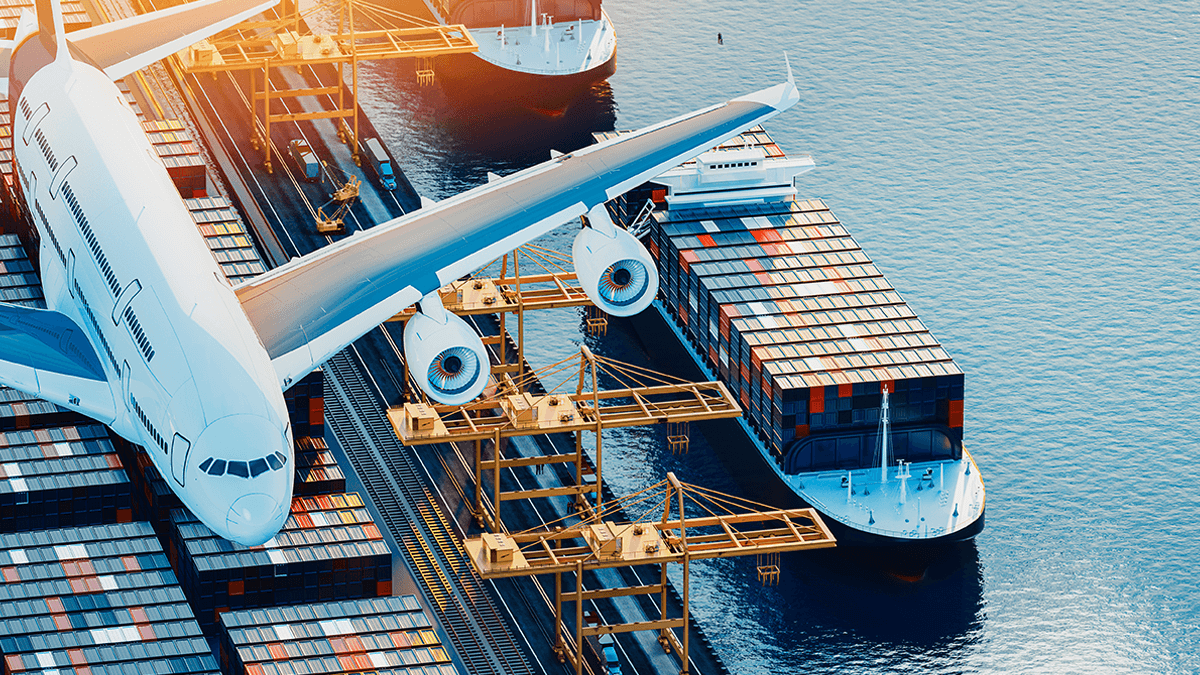
Container shipping transit time is one of the most important factors when planning international trade. Whether you are importing products from China or exporting goods worldwide, understanding how long container shipping takes helps you reduce delays, control shipping costs, and improve supply chain efficiency. This guide explains the factors affecting transit times, compares shipping routes, and shares practical examples that help businesses make informed logistics decisions.
What Is Container Shipping Transit Time?
Container shipping transit time refers to the total number of days required for a shipping container to travel from the departure port to the destination port. However, the overall delivery schedule usually includes more than the ocean voyage itself.
A complete shipment often involves:
- Cargo pickup from the supplier
- Export customs clearance from China
- Container loading
- Ocean transportation
- Import customs clearance
- Inland delivery to the warehouse
Therefore, businesses should always calculate the entire logistics process instead of focusing only on sea transit.
For companies using China international shipping solutions, accurate transit estimates make inventory planning much easier. Moreover, reliable scheduling helps reduce storage costs and minimizes supply chain disruptions.
What Factors Affect Container Shipping Transit Time?
Many variables influence shipping speed. Although carriers publish estimated schedules, actual delivery times may vary.
Port of Departure
Major Chinese ports generally offer more frequent sailings.
Common departure ports include:
- Shanghai
- Shenzhen
- Ningbo
- Qingdao
- Xiamen
Large ports usually have better vessel availability and more direct shipping services.
Destination Port
Direct services are normally faster than routes requiring transshipment.
For example:
- Shanghai → Los Angeles generally takes less time than
- Shanghai → inland destinations requiring rail or truck delivery.
Customs Clearance
Efficient customs clearance from China and destination customs processing can significantly reduce delays.
Missing paperwork may add several days or even weeks.
Peak Shipping Seasons
Transit times often increase during:
- Chinese New Year
- Golden Week
- Black Friday preparation
- Christmas shipping season
During these periods, vessel space becomes limited and ports experience congestion.
Weather Conditions
Typhoons in Asia, storms in the Pacific, and severe weather around Europe may delay vessel schedules.
Additionally, unexpected port strikes or labor shortages can affect delivery schedules.
Real Shipping Examples: How Transit Time Works in Practice
Actual shipping cases help businesses understand why transit times differ.
Case 1: Furniture Shipment from Shenzhen to Los Angeles
A furniture importer ordered one 40HQ container from Shenzhen.
Shipping details
- Route: Shenzhen → Los Angeles
- Shipping method: FCL
- Ocean transit: 16 days
- Export customs: 2 days
- Import customs: 3 days
- Inland trucking: 4 days
Total delivery time: 25 days
Because all customs documents were prepared before vessel departure, clearance was completed quickly and no storage charges occurred.
Case 2: Amazon FBA Shipment to the United States
An Amazon seller shipped consumer products using freight forwarding from China.
Shipment information:
- Departure: Ningbo
- Destination: Amazon warehouse in California
- Ocean shipping: 18 days
- Customs clearance: 2 days
- Appointment booking: 6 days
- Final delivery: 3 days
Total transit: 29 days
The shipment reached the warehouse before peak shopping season, helping the seller maintain inventory and avoid stock shortages.
How Can Businesses Reduce Container Shipping Transit Time?
Although shipping schedules cannot always be controlled, companies can shorten overall delivery time by improving logistics planning.
Book Space Early
Booking vessel space two to four weeks in advance provides more sailing options.
Moreover, early reservations reduce the risk of rolling cargo during busy seasons.
Prepare Documents Correctly
Required documents normally include:
- Commercial Invoice
- Packing List
- Bill of Lading
- Export declaration
- Import permits (when required)
Accurate paperwork speeds up customs clearance from China and destination customs processing.
Choose Direct Shipping Routes
Whenever possible, avoid multiple transshipment ports.
Direct services generally provide:
- Faster transit
- Lower delay risk
- More predictable delivery schedules
Work with an Experienced Freight Forwarder
Professional freight forwarders monitor vessel schedules, coordinate customs procedures, and provide alternative routing when disruptions occur.
As a result, businesses experience fewer unexpected delays.
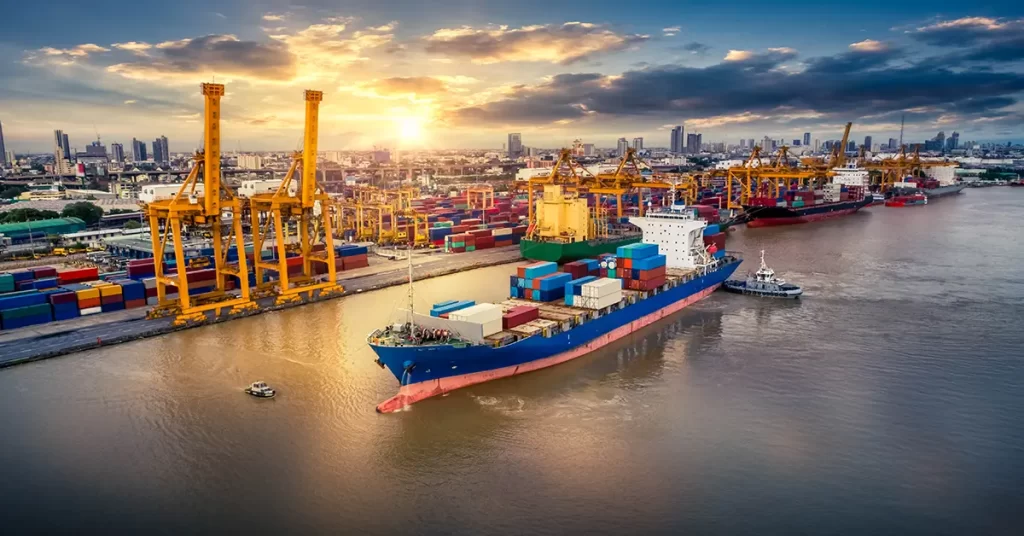
FCL vs LCL: Which Option Has Faster Transit Time?
The choice between Full Container Load (FCL) and Less than Container Load (LCL) affects shipping speed.
| Shipping Method | Transit Speed | Best For | Cost |
|---|---|---|---|
| FCL | Faster | Large shipments | Lower per unit |
| LCL | Slightly slower | Small cargo | Lower total shipment cost |
FCL shipments usually move directly without waiting for cargo consolidation.
However, LCL cargo requires consolidation before departure and deconsolidation after arrival, which adds several days.
Businesses shipping large volumes often choose FCL to improve delivery schedules and reduce handling risks.
How Does Container Shipping Transit Time Affect Supply Chain Performance?
Transit time influences far more than transportation.
Inventory Management
Longer shipping periods require higher inventory levels.
Consequently, companies must allocate more working capital to warehouse stock.
Customer Satisfaction
Reliable delivery improves customer confidence.
Meanwhile, unexpected delays may affect production schedules or retail sales.
Shipping Costs
Faster shipping does not always mean lower costs.
Businesses should balance:
- Transit time
- Inventory costs
- Ocean freight rates
- Warehouse expenses
An optimized logistics strategy often provides greater savings than simply choosing the fastest service.
International Trade Planning
Companies involved in China import and export logistics should forecast demand several months ahead.
Proper planning reduces emergency shipments by air, which are considerably more expensive.
How Much Does Air Freight Cost?
Air freight costs depend on several factors:
| Cost Factor | Impact |
|---|---|
| Cargo Weight | Heavier shipments increase costs |
| Cargo Volume | Large volume affects chargeable weight |
| Destination | Longer routes usually cost more |
| Service Type | Express services cost more |
Although air freight is more expensive than ocean shipping, it can reduce inventory costs by allowing businesses to receive products faster.
Why Choose Professional China Shipping Hub Services?
Managing international shipments involves multiple parties, including shipping lines, customs authorities, ports, trucking companies, and warehouses.
Professional China Shipping Hub services simplify the entire process by offering:
- Route planning
- Cargo tracking
- Customs documentation
- Freight booking
- Container management
- Inland transportation
- Logistics solutions tailored to business needs
Additionally, experienced logistics providers help customers compare shipping costs from China, evaluate China freight rates, and select the most suitable transport solution.
Whether shipping to North America, Europe, Australia, or the Middle East, professional support reduces operational risks while improving supply chain visibility.
Request a Quote
Need professional support to improve your container shipping transit time and shipping efficiency? Our experienced logistics team provides customized China international shipping solutions, competitive freight quotations, and reliable cargo transportation services. Contact us today for expert advice and a tailored shipping plan that fits your business goals.
Contact TJ China Freight for a fast, free quote.
Industries We Work With
We’ve helped 3,000+ businesses with agent China in these sectors:
- Amazon & eCommerce
- Furniture & Home Goods
- Industrial Equipment
- Garments & Textiles
- Medical Devices (Non-hazardous)
- Auto Parts
FAQ:
1.What is the average container shipping transit time from China?
Most ocean shipments take between 15 and 40 days depending on the destination, shipping route, weather, customs clearance, and whether the service is direct or involves transshipment.
2.Why does my shipment arrive later than the estimated transit time?
Delays may result from port congestion, customs inspections, vessel schedule changes, severe weather, or peak shipping seasons. Working with an experienced freight forwarder helps minimize these risks.
3.Is FCL faster than LCL shipping?
Yes. FCL shipments usually move directly after loading, while LCL cargo requires consolidation and deconsolidation, which generally increases overall transit time by several days.
4. How can I reduce shipping delays?
Book shipments early, prepare accurate shipping documents, choose direct vessel services whenever possible, and work with reliable freight forwarding from China specialists who monitor shipment progress throughout the journey.
5.Does customs clearance affect container shipping transit time?
Absolutely. Incomplete documentation or customs inspections can extend delivery schedules. Efficient customs clearance from China and proper import documentation significantly improve shipping efficiency.