

China to USA Shipping International: Complete 2025 Logistics Guide
Navigating the complexities of china to usa shipping international requires a strategic approach to modern logistics and supply chain management. At China Shipping Hub, we simplify the movement of goods across the Pacific by providing transparent pricing and reliable schedules. This comprehensive guide explores every facet of the shipping process to help you optimize your international trade operations.

What Are the Primary Methods for China to USA Shipping International?
Choosing the right transportation mode is the most critical decision in your logistics planning. Businesses typically select between ocean freight, air cargo, and express courier services based on their specific budget and timeline requirements. Each method offers distinct advantages depending on the volume and nature of the goods being moved.
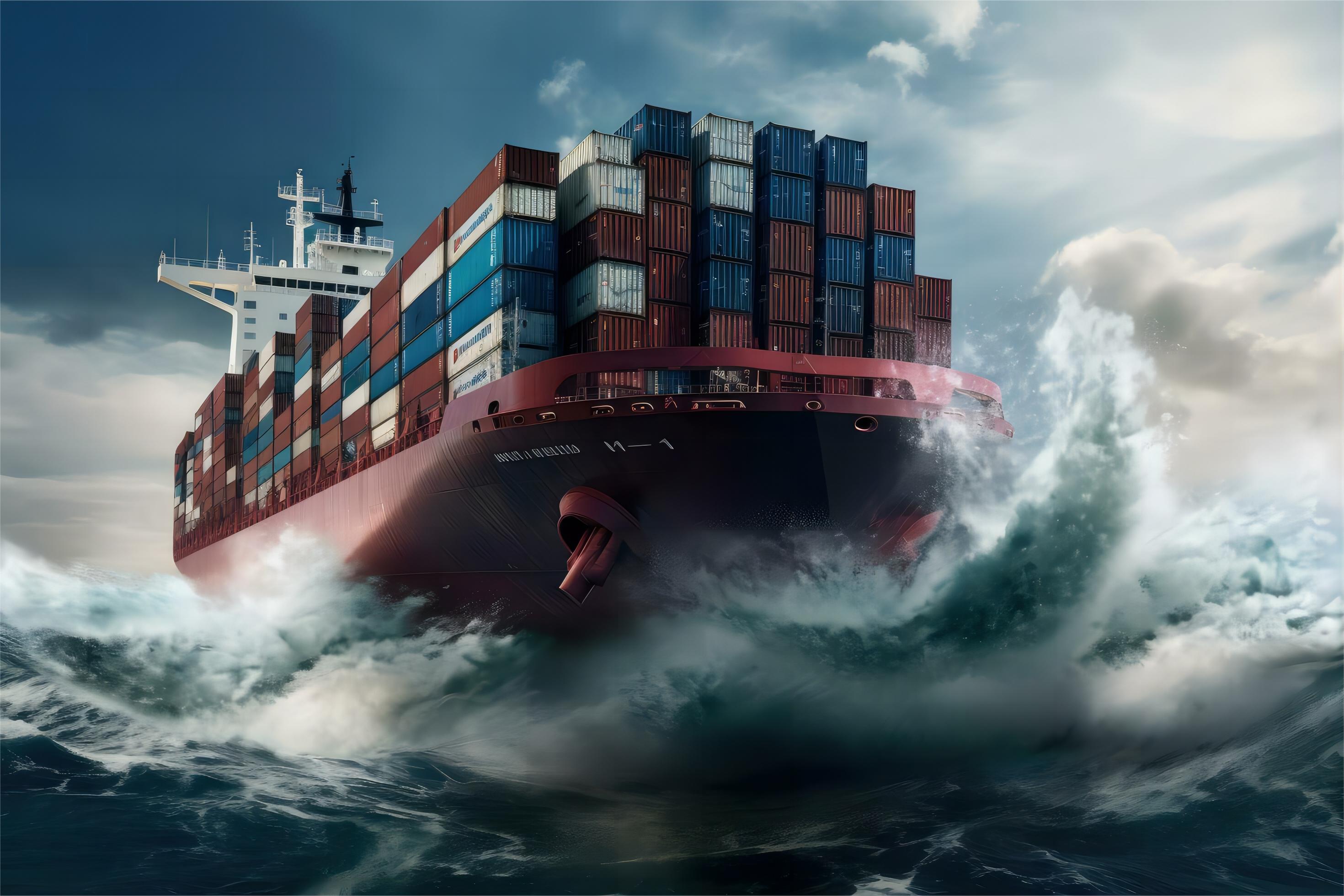
Furthermore, sea freight remains the backbone of global trade due to its incredible cost-efficiency for large volumes. Specifically, sea freight allows importers to transport massive quantities of goods in standard containers. This method is ideal for bulky items or shipments where the lead time is not the primary concern.
In contrast, air freight provides the speed necessary for high-value or time-sensitive products. While the cost per kilogram is significantly higher than ocean transport, the reduced transit time can prevent stockouts and improve cash flow. Consequently, many electronics and fashion brands rely on air transport to meet tight market deadlines.
Additionally, express service options like DHL or FedEx offer the fastest door-to-door solutions for smaller parcels. These services handle the entire process, including customs clearance, making them a favorite for e-commerce sellers. Therefore, understanding the nuances of each method is essential for maintaining a competitive edge.
How Does Sea Freight Compare to Other Shipping Options?
Comparing different shipping modes requires an objective analysis of cost, speed, and reliability. Sea freight is generally divided into Full Container Load (FCL) and Less than Container Load (LCL) options. FCL is most economical for shipments exceeding 15 to 20 cubic meters, as you pay for the entire container space.
Moreover, LCL shipping allows multiple importers to share space within a single container, which is perfect for smaller businesses. However, LCL often involves longer transit times due to the consolidation and deconsolidation processes at the ports. As a result, shippers must weigh the cost savings against the potential for slight delays.
Air freight typically costs five to ten times more than sea freight for the same weight. Nevertheless, the speed advantage is undeniable, with air shipments arriving in days rather than weeks. For many companies, the higher freight rate is offset by lower inventory holding costs and faster market entry.
| Shipping Method | Cost Range | Transit Time | Best For |
|---|---|---|---|
| Sea Freight (FCL) | $2,500 – $6,000 | 14 – 35 Days | Bulk goods / Large inventory |
| Sea Freight (LCL) | $100 – $300 per CBM | 20 – 45 Days | Small business shipments |
| Air Freight | $5.00 – $12.00 per kg | 3 – 8 Days | High-value / Urgent cargo |
| Express Courier | $8.00 – $15.00 per kg | 2 – 5 Days | Samples / Small parcels |
Navigating the Customs Clearance Process for US Imports
Managing the legal requirements of international trade is a complex task for any importer. Every shipment entering the United States must pass through U.S. Customs and Border Protection (CBP) inspection and documentation. Without proper paperwork, your cargo could face significant delays or expensive storage fees at the terminal.
Consequently, hiring a professional customs brokerage service is highly recommended for most businesses. These experts ensure that all HTS codes are correctly applied and that all duties are calculated accurately. Indeed, a minor error in documentation can lead to a formal audit or shipment seizure.
Key documents for china to usa shipping international include the Commercial Invoice, Packing List, and Bill of Lading. Furthermore, certain products may require additional permits from agencies like the FDA or EPA. Therefore, preparing these documents well in advance of the vessel arrival is crucial for a smooth clearance process.
Note: Freight rates and customs regulations are subject to change based on fuel costs, carrier capacity, and seasonal demand. Contact us for a current quote tailored to your specific shipment.
Alternative Shipping Strategies and Hybrid Solutions
Innovative shippers often look beyond traditional methods to find a balance between speed and cost. For instance, sea-air hybrid solutions involve shipping goods by sea to a hub like Dubai or Singapore and then flying them to the USA. This strategy can reduce costs by 30% compared to pure air freight while being twice as fast as sea freight.
Additionally, diversifying your ports of entry can provide a significant advantage during peak seasons. While West Coast ports like Los Angeles are closer to China, they often suffer from heavy congestion. Shippers might consider routing cargo through East Coast ports like Savannah or New York to avoid bottlenecks, despite the longer sailing time.
Implementing a multi-carrier strategy also mitigates risks associated with carrier-specific delays or strikes. By spreading shipments across different shipping lines, you ensure that a single disruption does not paralyze your entire supply chain. Consequently, flexibility remains a core component of a resilient logistics strategy.
Optimizing Amazon FBA Shipping from China
E-commerce entrepreneurs frequently utilize Amazon FBA services to reach the vast American consumer market. This specialized logistics path involves shipping goods directly from Chinese factories to Amazon fulfillment centers across the United States. However, Amazon has strict requirements for palletizing, labeling, and packaging that must be followed precisely.
Moreover, choosing between sea and air for FBA depends heavily on your product’s sales velocity and profit margins. Many successful sellers use air freight for initial product launches to gather reviews quickly and then switch to sea freight for replenishment. This hybrid approach ensures consistent stock levels while maximizing long-term profitability.
Furthermore, working with a freight forwarder who understands Amazon’s scheduling system is vital. These providers can book delivery appointments through the Seller Central portal, ensuring your inventory is checked in without delay. As a result, you can focus on marketing and sales while the logistics experts handle the heavy lifting.
Realistic Case Studies: China to USA Shipping Success
Case Study 1: Electronics Distribution Success. Route: Shenzhen, China to Los Angeles, USA. Cargo: Consumer Electronics, 68 CBM, 12,000 kg. Container: 1 x 40HQ. Shipping Details: Major carrier, Port of Loading: Shenzhen, Port of Discharge: Los Angeles, Route Type: Direct. Cost Breakdown: Ocean Freight: $3,850, Origin Charges: $450, Destination Charges: $800, Customs and Duties: $1,200, Total Landed Cost: $6,300. Timeline: Booking to Loading: 4 days, Sea Transit: 16 days, Customs Clearance: 2 days, Total Door-to-Door: 22 days. Key Insight: Utilizing a direct route to the West Coast saved the client 10 days compared to transshipment options.
Case Study 2: Furniture Import Logistics. Route: Ningbo, China to Savannah, USA. Cargo: Home Furniture, 28 CBM, 5,500 kg. Container: 1 x 20GP. Shipping Details: Major carrier, Port of Loading: Ningbo, Port of Discharge: Savannah, Route Type: Via Panama Canal. Cost Breakdown: Ocean Freight: $3,200, Origin Charges: $400, Destination Charges: $950, Customs and Duties: $850, Total Landed Cost: $5,400. Timeline: Booking to Loading: 5 days, Sea Transit: 32 days, Customs Clearance: 3 days, Total Door-to-Door: 40 days. Key Insight: Shipping to the East Coast was more cost-effective for final delivery to a warehouse in Georgia despite the longer sea transit.
Based on Q3 2024 market rates, these examples reflect typical costs for established shipping routes. However, seasonal variations and port congestion can influence these figures by 15-25% during peak periods. Always consult with a freight expert to get the most accurate and up-to-date pricing for your specific needs.

Which Option Should You Choose? Decision Framework
Determining the best logistics path requires a clear understanding of your business priorities. If your primary goal is budget conservation and you have a high volume of goods, sea freight is the clear winner. For shipments under 100kg, express courier services usually provide the best value and least amount of administrative hassle.
In contrast, if you are shipping perishable goods or high-value electronics, the speed and security of air freight justify the higher expense. Additionally, consider the total landed cost rather than just the freight rate. Sometimes, faster shipping reduces the need for local warehousing, which can save significant money in the long run.
Finally, always account for the peak season, which typically runs from August to October. During this time, rates increase and space becomes limited, making early booking essential. By planning at least 4-6 weeks in advance, you can secure better rates and ensure your goods arrive before critical holiday deadlines.
Mastering Your International Shipping Strategy
To summarize, successful china to usa shipping international depends on selecting the right freight method, understanding customs requirements, and planning for seasonal fluctuations. Whether you choose the cost-efficiency of ocean freight or the speed of air cargo, working with a reliable partner is essential.
By applying the strategies and insights shared in this guide, you can reduce transit times and lower your overall logistics costs. Start optimizing your supply chain today to ensure your business remains competitive in the global marketplace.
Ready to streamline your logistics?
Ready to streamline your china to usa shipping international operations? Contact China Shipping Hub today for a personalized quote and expert guidance on your next shipment. Send Inquiry: info@chinashippinghub.com
Request Quote