

China National Day DDP Shipping to USA: Expert Guide 2026
Securing reliable China National Day DDP shipping to USA requires meticulous coordination to avoid the seasonal port congestion and documentation delays that often plague holiday-adjacent export windows. Importers frequently face unexpected duty surcharges and customs holds when the Importer of Record (IOR) status is mismanaged or documentation is improperly filed. By partnering with China Shipping Hub, businesses can lock in all-inclusive landed costs and ensure their cargo clears destination customs before the final-mile drayage begins. This guide provides the operational framework necessary to navigate the complexities of duty-paid, door-to-door delivery during the peak 2026 shipping season.
Key Takeaways
Standard 40HQ containers provide a usable capacity of 68-76 CBM, while 20GP units offer approximately 26-28 CBM for dense cargo.
Air freight chargeable weight is calculated using the higher of actual weight or volumetric weight (L x W x H cm / 6000).
DDP terms mandate that the seller or their agent acts as the Importer of Record (IOR) to settle all duties and destination taxes.
National Day shipping windows often see a 15-20% surge in demand, requiring bookings at least 21 days in advance for ocean services.
Accurate HS classification is the primary driver of duty-paid cost certainty, preventing administrative holds at the Port of Long Beach.
What Should Buyers Know First About DDP Shipping on This Lane?
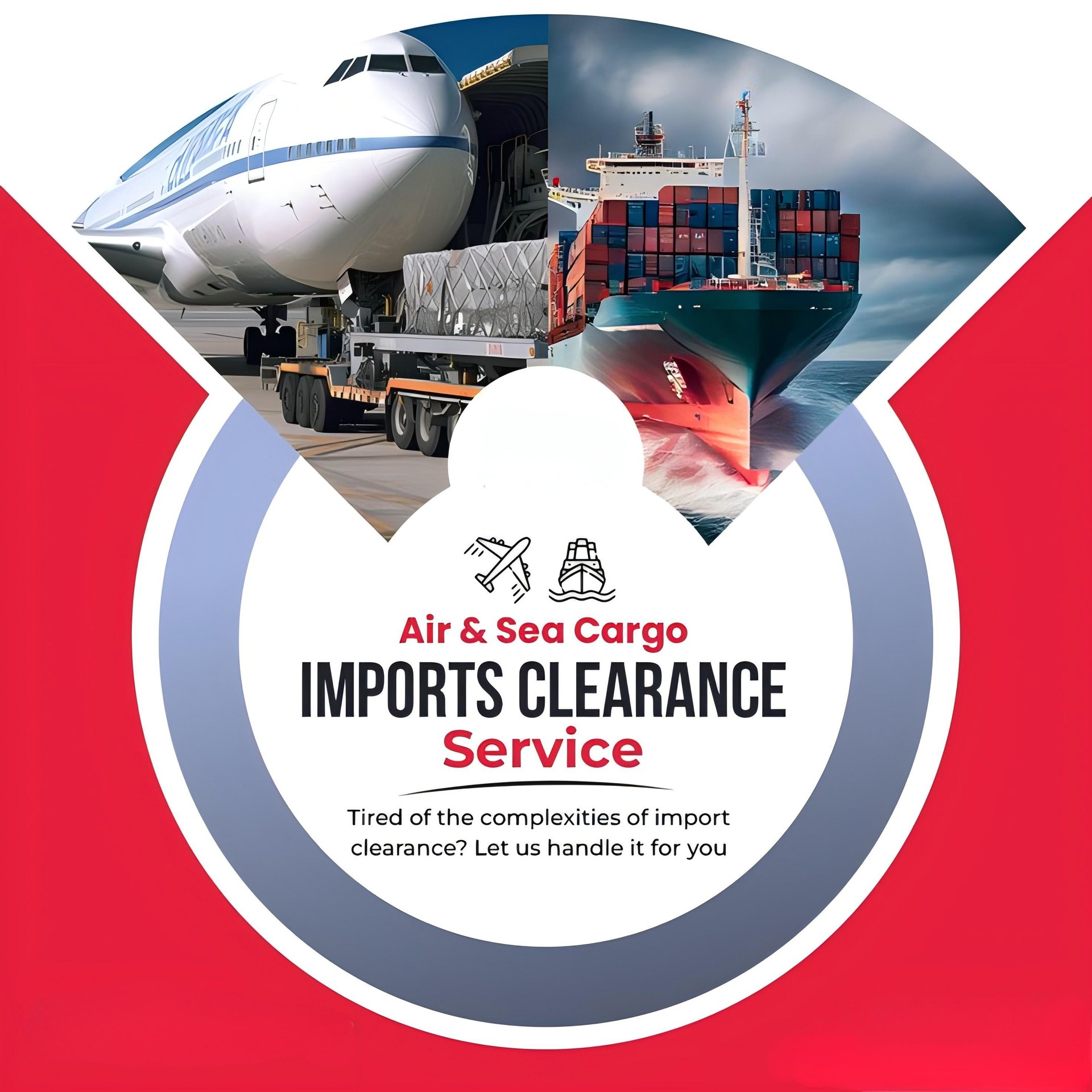
Navigating the logistics landscape for China National Day DDP shipping to USA begins with understanding that DDP (Delivered Duty Paid) places the maximum burden on the seller. As an importer, you are effectively shifting the risk of customs compliance, duty payment, and final-mile delivery coordination to the supplier or their appointed logistics provider. This term is highly attractive for buyers seeking all-in landed cost certainty, yet it requires a high degree of trust in the forwarder’s ability to navigate US entry requirements without triggering costly delays.
The primary risk during the National Day period is the compression of available carrier space and the subsequent increase in dwell times at major gateways like the Port of Long Beach. When choosing DDP, you must ensure that your forwarder has a robust ocean freight network capable of handling the surge in export demand from Ningbo and other key Chinese hubs. Failure to account for these seasonal capacity constraints can lead to significant bottlenecks, leaving your cargo stranded at the port while your capital remains tied up in inventory that has yet to hit your warehouse floor.
To mitigate these risks, verify that your partner utilizes an established freight forwarding network with a proven track record in US customs compliance. You should demand transparency regarding the handling of duties and taxes, as these are often the points where hidden fees arise. By confirming the DDP scope in the commercial invoice before departure, you create a clear audit trail that protects your business from the common pitfalls of international trade, ensuring your goods arrive duty-paid and customs-cleared exactly as planned.
Field note: Focus on the legal definition of DDP and the transfer of risk.
Common mistake: Assuming DDP includes all destination handling fees without prior confirmation.
Risk alert: Customs holds due to missing IOR documentation remain the #1 failure point for DDP shipments.
Who Bears Duty, Tax, and IOR Liabilities Under DDP Terms?
Under DDP terms for the Ningbo to Long Beach corridor, the seller or their designated logistics provider acts as the Importer of Record (IOR). This means they are legally responsible for filing the entry with US Customs and Border Protection (CBP) and paying all applicable duties and taxes. This arrangement provides significant convenience to the buyer, as it removes the complexity of managing customs bonds and tax payments, but it also means the buyer has less visibility into the actual valuation of the goods as declared to customs.
The IOR is responsible for ensuring that the commercial invoice accurately reflects the transaction value, as any discrepancies can lead to audits or seizure of goods. For businesses utilizing warehouse distribution services, this process must be perfectly synchronized to ensure that the cargo is not only cleared but also ready for immediate transshipment upon arrival at the destination warehouse. Any failure by the IOR to provide the correct documentation to CBP will result in the cargo being held, leading to demurrage and detention charges that can quickly erode the profitability of the shipment.
Buyers should always request copies of the customs entry documents and proof of duty payment to ensure compliance with local tax laws. While the forwarder handles the heavy lifting, your team should maintain a record of the declared value and HS codes to ensure consistency across your supply chain. Utilizing a professional logistics partner who understands these liabilities is essential for protecting your business from the legal and financial risks associated with international duty settlements and tax filings.
| Cost Component | Typical Assessment Base | Who Usually Pays | Planning Note |
|---|---|---|---|
| CIF / customs value | Goods value + freight + insurance (as declared) | Importer of record | Wrong valuation drives duty and VAT/GST miscalc |
| Import duty / tariff | % of customs value by HS chapter | Importer / DDP seller (by Incoterms) | Confirm HS binding before award |
| VAT / GST / sales tax | Duty-paid value (or local statutory base) | Importer / fiscal representative | Registration and reclaim rules vary by market |
| Customs broker / clearance fee | Per entry or per shipment band | Importer / nominating party | Separates from freight; exams add extras |
| Exam / storage / disbursement | Event-driven (exam, demurrage, advance) | Importer / broker client account | Often outside base ocean/truck quote |
Field note: Explain the IOR role clearly to differentiate from DAP.
Common mistake: Neglecting to request proof of duty payment from the forwarder.
Risk alert: Incorrect HS classification can lead to retroactive duty demands.
DDP vs DAP vs FOB: Which Trade Term Cuts Your True Landed Cost?

Choosing between DDP, DAP (Delivered at Place), and FOB (Free on Board) requires a careful analysis of your internal capabilities and your appetite for risk. FOB provides you with the most control over the freight and the customs process, but it requires you to manage every aspect of the transit from Ningbo to your destination in the USA. DDP, by contrast, provides total landed cost certainty, allowing you to pay a single, all-inclusive rate, but it limits your oversight of the customs clearance workflow and the duty calculation process.
DAP sits in the middle, requiring the seller to deliver the goods to a named place, but leaving the responsibility for duty and customs clearance in your hands as the importer. This is often the preferred route for companies that have their own customs brokerage team and want to ensure that duties are paid correctly according to their specific tax strategy. When evaluating these options, consider the total landed cost, which includes shipping, insurance, duties, taxes, and terminal handling charges, to determine which term offers the most value for your specific business model.
For most importers, the choice depends on whether they have an established US entity that can act as the IOR. If you lack the infrastructure to manage imports efficiently, DDP remains the most effective way to simplify your supply chain and focus on your core business operations. Regardless of the term, ensure that your freight forwarding services are clearly defined in your purchase orders to avoid confusion or disputes when the cargo reaches the port of entry.
Field note: Focus on the trade-off between control and convenience.
Common mistake: Choosing DDP for high-value cargo without auditing the forwarder’s customs performance.
Risk alert: DDP can sometimes mask inflated destination fees from the forwarder.
What Transit Timelines and Dwell Windows Apply to DDP Cargo?
Transit timelines for China National Day DDP shipping to USA are heavily influenced by the mode of transport and the current congestion levels at the Port of Long Beach. A typical FCL ocean shipment from Ningbo to Long Beach takes between 14 and 18 days on the water, but this does not account for the time spent waiting for a berth at the port or the time required for customs processing. During the National Day peak, these windows can easily extend by an additional week, making it vital to build a buffer into your delivery schedules.
Dwell windows at the port are a critical metric to watch, as they represent the time cargo sits in the container yard before being pulled for drayage. Efficiently managing these windows requires real-time visibility into your cargo’s status and a proactive relationship with your logistics provider. If your shipment is subject to a customs exam, the dwell time can be significantly impacted, which is why having perfect documentation is the best defense against these unpredictable delays.
To ensure your cargo moves through the terminal as quickly as possible, your forwarder should provide regular status updates and have a pre-arranged drayage plan. This involves coordinating the availability of chassis and the scheduling of trucks well before the cargo is released from the terminal. By maintaining a clear line of communication with your forwarder, you can anticipate potential delays and adjust your downstream warehouse operations accordingly, preventing the domino effect that occurs when inventory arrives late.
| Milestone | Typical Window | Owner | Delay Risk if Missed |
|---|---|---|---|
| Origin pickup / CY gate-in | T-5 to T-2 days before ETD | Shipper / drayage | Rolled booking & demurrage at origin |
| Border / port arrival | Mode-specific ETA band | Carrier / broker | Detention & storage accrual |
| Customs release | 24–72h after arrival (mode-dependent) | Licensed broker | Terminal hold & delivery slip |
| Final delivery appointment | Within free-time window | Consignee / carrier | Driver detention & re-delivery fees |
Field note: Explain the difference between transit time and dwell time.
Common mistake: Failing to account for port congestion during the National Day holiday.
Risk alert: Customs holds can increase dwell time by 5-10 days.
How Are All-Inclusive DDP Rates and Duty Surcharges Built?
Building an all-inclusive DDP rate requires aggregating multiple cost components into a single, transparent figure. These components typically include the ocean freight cost, origin handling charges, terminal handling charges (THC) at both Ningbo and Long Beach, customs entry fees, and the estimated duty and tax amounts. When you request a quote, it is essential to ask for a breakdown of these costs so that you can verify that the duty estimates are based on the correct HS codes and current tariff rates.
One common area of confusion is the inclusion of destination accessorial charges, such as pier pass fees, fuel surcharges, and potential detention or demurrage penalties. In a true DDP arrangement, these costs should be bundled into your landed rate, but less reputable forwarders may leave them out to make their initial quote look more competitive. By working with a transparent provider like China Shipping Hub, you can ensure that your rates are comprehensive and that there are no surprises when the final invoice is presented at the time of delivery.
To verify your landed cost structure, compare the duty estimates provided in your quote with the official US tariff schedule for your products. If the duty percentage seems unusually low or high, ask your forwarder to justify the HS classification they have used. This level of diligence ensures that you are not only getting the best price but also protecting your business from potential penalties for underpayment of duties, which can be far more costly than the original shipping fees themselves.
Field note: Focus on the components of a DDP invoice.
Common mistake: Accepting a quote that excludes destination accessorials.
Risk alert: Hidden fuel surcharges can increase total costs by 10-15% unexpectedly.
What Documents and Filings Are Mandatory Under DDP?
The documentation required for DDP shipping to the USA is extensive and must be prepared with absolute precision to avoid customs rejection. At a minimum, you must provide a commercial invoice, a packing list, and the bill of lading (B/L) for ocean freight. The commercial invoice must clearly state the transaction value, the HS codes for all products, and the terms of sale as DDP. Any errors in these documents can lead to significant delays and potential fines from US authorities.
In addition to the standard shipping documents, you must ensure that your Importer of Record (IOR) has filed the necessary security documentation, such as the ISF (Importer Security Filing) 10+2, at least 24 hours before the vessel departs from Ningbo. This filing is a critical security requirement for US imports and must be completed accurately to prevent the cargo from being blocked at the port. Your customs clearance services partner should handle these filings, but it is your responsibility to provide them with the accurate data needed to perform these tasks correctly.
Maintain a digital repository of all these documents, including the proof of duty payment and the final delivery receipt signed by the consignee. Having this documentation organized and readily available is essential for any potential customs audits or insurance claims that may arise in the future. By treating your documentation as a vital asset rather than a back-office burden, you ensure the longevity and compliance of your supply chain, allowing your business to scale with confidence in the international market.
| Document / Filing | Mandatory Cut-Off | Responsible Party | Risk / Penalty if Missing |
|---|---|---|---|
| ISF (10+2) Security Filing | ≥24h before vessel loading at origin | US Importer of Record / Broker | USD 5,000 CBP penalty & terminal hold |
| Verified Gross Mass (VGM) | Before CY gate-in cut-off | Shipper / Factory weighing desk | Denied vessel loading & crane re-weigh fee |
| Ocean Master Bill of Lading | Post-vessel departure confirmation | Ocean Carrier / NVOCC | Delayed customs release & cargo discharge dwell |
| CBP Form 7501 (Entry Summary) | Within 10 working days of arrival | Licensed US Customs Broker | Cargo liquidation delay & storage demurrage |
Field note: Highlight the importance of the ISF filing.
Common mistake: Providing vague product descriptions that trigger HS code scrutiny.
Risk alert: Missing ISF filings result in a $5,000 penalty per shipment.
What Is the Step-by-Step DDP Workflow from Supplier to Door?
The DDP workflow begins with the origin consolidation process, where your cargo is collected from one or multiple suppliers in China and staged at a bonded warehouse. During this phase, it is crucial to verify the packing lists against your purchase orders to ensure that the quantities and descriptions match exactly. Once the cargo is ready, the export declaration is filed with China Customs, and the goods are loaded onto the vessel for the mainhaul transit to the Port of Long Beach.
Upon arrival at the US port, the vessel is offloaded, and the customs entry is processed by your forwarder acting as the IOR. This involves the payment of all duties and taxes to CBP, which allows the cargo to be released for inland transport. The final leg of the journey involves drayage, where the container is moved from the port to your designated delivery address. Throughout this process, your logistics provider should provide you with real-time updates and documentation of every milestone, ensuring you remain informed until the moment your cargo reaches your door.
Once the delivery is completed, the final step is the reconciliation of the shipment file, where all receipts are verified, and the tax settlement is confirmed against the commercial invoice. This final reconciliation is an important step in your internal accounting, as it ensures that your landed costs are accurately recorded and that all duties have been properly accounted for. By following this structured process, you minimize the risks associated with international trade and ensure a seamless experience from the factory floor in China to your warehouse in the USA.
Field note: Outline the logical progression of the shipment.
Common mistake: Skipping the pre-shipment audit of packing lists.
Risk alert: Poorly consolidated cargo leads to damaged goods upon arrival.
Decision Framework
By volume: Under 2 CBM often fits DDP air/express; 2–15 CBM favors DDP LCL with seller-side clearance; 15+ CBM may warrant DDP FCL when duty-paid door delivery is required.
By speed: Urgent door delivery under 7 days may require DDP air; standard replenishment runs on 25–40 day DDP ocean with tax/duty prepaid before last-mile.
By cargo profile: High-duty HS chapters and regulated goods need IOR-ready commercial invoices; standard carton cargo still requires accurate declared value for duty calculation.
Real-World Corridor Case Studies
A industrial machinery shipper moved industrial machinery and precision equipment from Shenzhen, China to Los Angeles on a scoped ocean lane. The forwarder locked crating/lashing requirements, moisture control, and lift-gate delivery slots before CY gate-in, aligned commercial invoice and packing list data with the carrier booking, and tracked destination release so demurrage clocks stayed inside negotiated free time.
A building materials shipper moved commercial building materials and fixtures from Ningbo, China to Long Beach on a scoped ocean lane. The forwarder locked weight-dense stow plans, moisture barriers, and construction-site delivery windows before CY gate-in, aligned commercial invoice and packing list data with the carrier booking, and tracked destination release so demurrage clocks stayed inside negotiated free time.
DDP Execution Plan: Duty-Paid Door Delivery in 2026
Reliable National Day DDP shipping to USA hinges on IOR clarity, declared-value accuracy, and prepaid duty settlement on National Day DDP shipping to USA. By focusing on these pillars, you ensure that your supply chain remains resilient against seasonal market spikes and regulatory scrutiny at the point of entry.
Treat customs liability and last-mile delivery as one locked workflow—not separate afterthoughts. Working with a dedicated partner ensures that every step is managed with the precision required for modern, high-volume international trade, keeping your inventory moving without administrative friction.
Process and Checkpoints
Origin Consolidation & Cargo Intake
Collect multi-supplier lots, verify packing lists, and stage cargo for export under DDP scope.
Export Customs Declaration
File China export declaration with commercial invoice, packing list, and HS codes aligned to declared value.
Mainhaul Transit
Move freight on booked ocean service with DDP liabilities retained by seller/forwarder.
Destination Duty-Paid Clearance
Act as or appoint IOR, pay duties/taxes, and secure customs release before last-mile dispatch.
Bonded Hand-off & Tax Settlement
Reconcile duty receipts, release holds, and confirm tax settlement against the commercial invoice.
Final-Mile Door Delivery
Deliver duty-paid cargo to the consignee door and close the DDP shipment file.
Confirm the right route for your shipment
Need an all-inclusive DDP quote? Share commercial invoice value, HS codes, gross weight, CBM, and destination zip for a duty-paid door proposal.
Request a route reviewFrequently Asked Questions
What is the Importer of Record (IOR) role under DDP door delivery?
The IOR is legally responsible for entry filings, duties, and compliance; without one, cargo can be seized.
Which fees are often excluded from headline DDP quotes?
Customs exams, liftgate/residential delivery, and storage during tax review frequently sit outside base DDP.
How does HS code misclassification change the all-in DDP duty line?
Wrong HS chapters can raise duty rates materially and trigger amendments, exams, or bond issues.
When should buyers request a continuous bond instead of single-entry bonds?
High-frequency or high-value importers usually need a continuous bond to avoid per-shipment shortfalls.
What happens if destination customs holds a DDP shipment for exam?
Exam fees plus yard or rail-terminal storage accrue until release—even when freight and duties were prepaid under DDP.
How can shippers control demurrage, detention, or terminal storage after a customs hold?
Pre-lodge entry data, keep HS/value packs audit-ready, and escalate broker responses inside free time before last-mile trucks are dispatched.
Rates and surcharges fluctuate; request an itemized quote.
Informational only; not binding legal/tax/customs advice.
Benchmarks reflect standard 2026 practice for this corridor.