

China National Day Air Freight: 2026 Logistics Planning Guide
Managing China National Day air freight requires precise coordination as factories shut down and carrier capacity tightens across major hubs. When cargo-ready dates align with this October holiday window, even minor documentation delays can lead to significant transit backlogs that disrupt your entire supply chain. China Shipping Hub provides the visibility and carrier allocation necessary to navigate these peak surges, ensuring your goods maintain priority status. This guide details the essential booking checkpoints, gateway compliance, and operational benchmarks required to keep your air freight moving efficiently during this critical holiday cycle.
Key Takeaways
Air chargeable weight is calculated as the higher of actual weight or volumetric weight (CBM × 167).
Major gateways like PVG and SZX often face 48-72 hour backlog windows during the National Day period.
A standard air waybill (AWB) must be finalized at least 48 hours prior to the flight departure to avoid cargo rolling.
General cargo should be palletized and labeled at least 24 hours before the carrier intake cut-off time.
Who Should Book Air Freight for China National Day Air Freight?
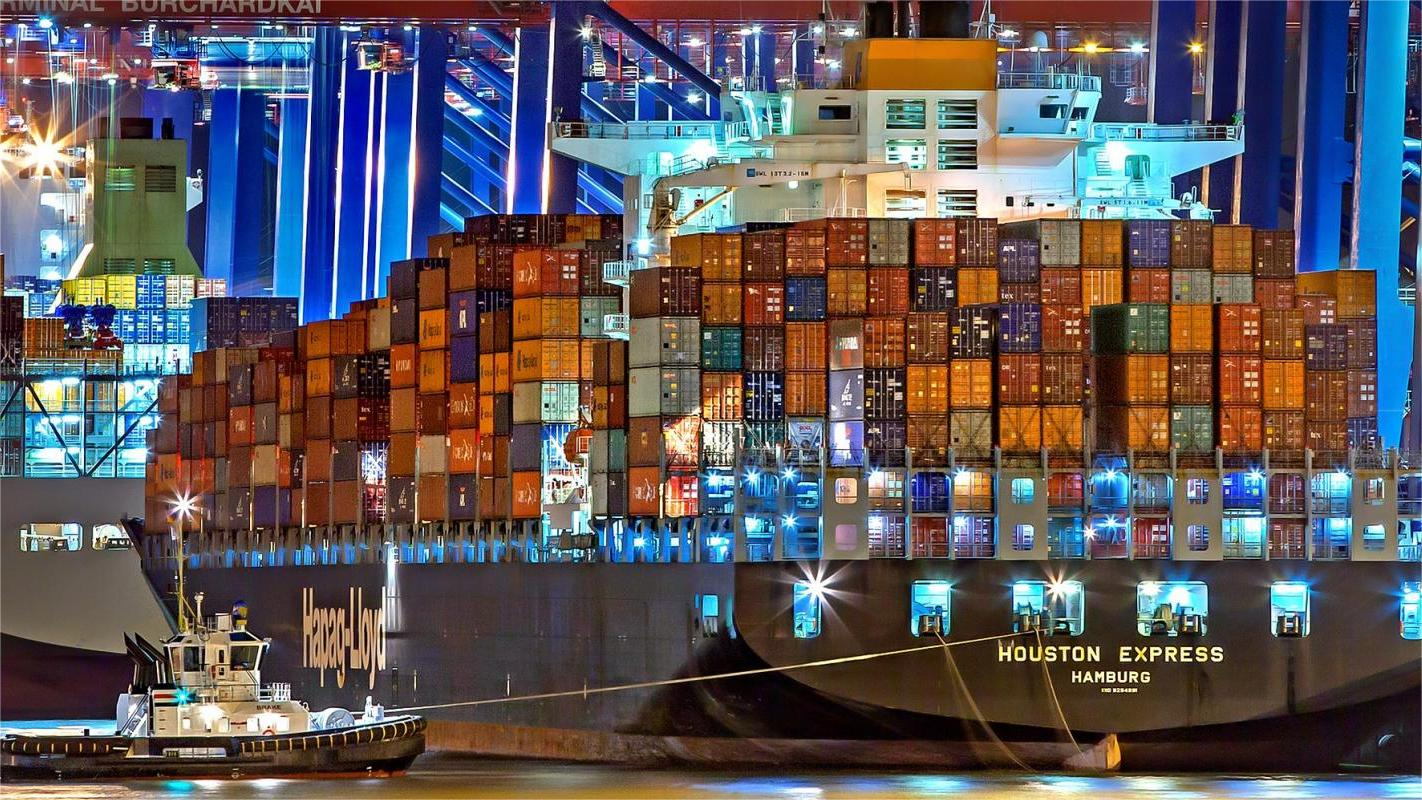
Shippers handling high-value components, time-sensitive retail inventory, or items with short shelf lives are the primary candidates for air freight during the holiday week. When your production schedule ends just before the October break, relying on ocean transit risks missing critical replenishment windows at the destination market. Air freight provides the necessary agility to bypass the port congestion that typically follows the holiday resumption of factory operations.
The decision to utilize air freight should be based on your total landed cost and the value of avoiding stockouts during the fourth quarter. If your goods are destined for high-demand retail environments or require immediate integration into assembly lines, the premium cost of air transport is often offset by the reduction in inventory carrying costs. Companies that fail to secure air space early often find themselves competing for limited capacity on the final few flights before the holiday shutdown.
To determine if your shipment is a candidate for air, evaluate your current inventory levels against your forecasted demand for late October. If your pipeline is lean and the cargo ready date falls within the last week of September, prioritize booking air space immediately to avoid the seasonal rate spikes. Relying on air freight services allows for a more controlled arrival, mitigating the risk of extended dwell times often seen at sea ports.
Field note: Focus on high-value, small-footprint cargo.
Common mistake: Waiting until the week of the holiday to secure space.
Risk alert: Carrier capacity is typically 80% committed by mid-September.
What Is the Optimal Mode Mix When Speed Matters on This Lane?
Balancing speed and cost during the National Day period requires a strategic mix of direct air flights and deferred service options. When your deadline is absolute, direct flights from major gateways like PVG or HKG are non-negotiable to avoid the risks associated with multiple transshipment points. In contrast, if you have a slight buffer, sea-air combinations or indirect air routes can reduce costs while still significantly outperforming traditional ocean transit.
Choosing the right mode depends on the specific Major Chinese Ports and the destination clearance requirements. For shipments originating in Southern China, utilizing HKG often provides more carrier options and faster transit times compared to mainland airports due to unique customs handling procedures. We recommend comparing the transit benchmarks of direct versus indirect services to ensure your logistics plan aligns with your destination’s readiness and consumer demand cycles.
For shippers requiring consistent replenishment, integrating multimodal logistics solutions can create a more resilient supply chain. By mixing air for urgent SKUs and ocean for base inventory, you protect your business against the volatility of holiday-season capacity shortages. Always confirm the availability of space at your chosen gateway before committing to a specific mode, as last-minute switches can lead to significant cost premiums and delays.
| Equipment Type | Internal Volume (CBM) | Max Payload (kg / lbs) | Optimal Commodity Fit |
|---|---|---|---|
| 20ft Standard (20GP) | 28–30 CBM (26 usable) | 21,800 kg / 48,000 lbs | Dense, heavy cargo (machinery, auto parts, metals) |
| 40ft Standard (40GP) | 58–60 CBM (54 usable) | 26,500 kg / 58,400 lbs | General packaged cargo, standard palletized loads |
| 40ft High Cube (40HQ) | 68–76 CBM (68 usable) | 26,500 kg / 58,400 lbs | Bulky, lightweight goods (furniture, textiles, electronics) |
| 45ft High Cube (45HQ) | 85–86 CBM (78 usable) | 27,500 kg / 60,600 lbs | High-volume consumer retail distribution |
Field note: Mode mix should prioritize reliability over absolute lowest cost.
Common mistake: Assuming all air routes have the same transit time.
Risk alert: Indirect air services may face transit delays at intermediate hubs.
Critical Checklist: Documents and Compliance on This Lane

Compliance is the bedrock of frictionless air freight, especially during high-volume periods when customs authorities increase inspection rates. A complete document pack, including a detailed commercial invoice and precise packing list, must be uploaded to the carrier and customs brokers well before the cargo reaches the airport. Any discrepancy between your shipping documents and the physical cargo can result in significant hold times, effectively negating the speed advantage of air freight.
Ensure that your HS codes are accurate and that all required permits for specialized goods are current. For shipments destined for international markets, verify that your importer of record (IOR) is prepared to process the entry documents immediately upon flight arrival. Failure to coordinate with your destination customs broker early in the process is a leading cause of airport storage fees and detention charges that can accumulate rapidly during the holiday week.
Maintain a digital repository of all shipping documents to ensure transparency and rapid retrieval if regulatory inquiries occur. Using a professional logistics provider to audit your paperwork before the export cut-off can prevent many common compliance failures. Always confirm that your Air Waybill reflects the correct chargeable weight and commodity description to avoid delays during the carrier’s final weight verification at the airport warehouse.
| Gateway | Primary Mode | Avg. Dwell (Days) | Risk Factor |
|---|---|---|---|
| PVG (Shanghai) | Direct Air | 1-2 Days | High Volume |
| SZX (Shenzhen) | Direct Air | 1-2 Days | Capacity Crunch |
| CAN (Guangzhou) | Direct Air | 2 Days | Congestion |
| HKG (Hong Kong) | Direct/Indirect | 1 Day | Flexibility |
Field note: Accuracy is more important than speed in documentation.
Common mistake: Using generic descriptions that trigger customs inspections.
Risk alert: Inaccurate weight listings will trigger re-weighing fees.
Which China Air Gateways Serve This Corridor Best (PVG, SZX, CAN, HKG)?
Selecting the correct gateway is essential for balancing cost, transit time, and carrier capacity. Shanghai Pudong (PVG) serves as the primary hub for the East China region, offering the highest density of direct flights to global major markets. Shenzhen (SZX) and Guangzhou (CAN) are vital for the Pearl River Delta, providing proximity to manufacturing centers, though they can experience localized congestion during peak holiday periods.
Hong Kong (HKG) remains a critical gateway due to its status as a free port and its extensive international network, which often allows for greater scheduling flexibility. If your cargo is ready in the Shenzhen/Dongguan area, the cross-border trucking options to HKG can be a highly efficient way to bypass mainland airport bottlenecks. Each gateway has unique operational dynamics, and your choice should be driven by the specific cargo location and the final destination’s airline service profile.
We recommend evaluating the freight forwarding services available at each gateway to determine the best fit for your specific shipment profile. Some gateways offer specialized handling for temperature-controlled goods or oversized items that may not be available at others. By analyzing the current capacity utilization and carrier schedules at each airport, you can make an informed decision that optimizes both transit time and cost for your China National Day air freight.
Field note: Proximity to the factory reduces inland transit risks.
Common mistake: Selecting a gateway solely based on the lowest quoted air rate.
Risk alert: Cross-border trucking to HKG requires specific customs documentation.
How Is Air Chargeable Weight Calculated (1 CBM ≈ 167 kg)?
Understanding air chargeable weight is fundamental to calculating your landed costs accurately. Carriers bill based on the higher of the actual gross weight or the volumetric weight, which is calculated by dividing the volume of the cargo in cubic centimeters by 6,000. For most palletized freight, the standard conversion factor is 1 CBM equals 167 kilograms, meaning your cost is effectively determined by the space your cargo occupies rather than its physical mass.
To optimize your freight spend, focus on maximizing the density of your shipments. If your cargo is light but occupies a large volume, you are essentially paying for air space that could be filled by higher-density goods. We recommend using high-density packaging and efficient pallet stacking to ensure your volumetric weight is as close to your actual weight as possible, thereby reducing your cost per kilogram.
When planning your shipment, always provide precise dimensions and weight to your logistics partner to avoid unexpected re-weighing fees at the airport. These fees are often higher than the original freight cost and can delay your cargo’s movement if not promptly settled. By maintaining rigorous internal standards for packaging and documentation, you ensure predictable invoicing and faster processing through the airport’s intake systems.
| Accessorial / Surcharge Item | Typical Cost Band (USD) | Trigger Scenario | Financial Impact if Unmanaged |
|---|---|---|---|
| CFS Destination De-van | $45 – $95 / CBM | Destination warehouse devanning, sorting, and inbound handling | Essential landed component billed on actual CBM |
| CFS Storage / Dwell | $35 – $70 / CBM / day | Exceeds destination CFS free storage (often only 3–5 days) | Dwell penalties compound rapidly on multi-CBM loads |
| Non-Stackable Surcharge | $50 – $120 / entry | Cargo cannot be top-loaded, wasting container vertical space | Carrier bills for dead space above your pallet |
| Pallet Restrap & Relabeling | $25 – $55 / pallet | Missing ISPM-15 mark, damaged shrink wrap, or wrong marks | Mandatory warehouse rework required before loading |
| Split-Delivery Accessorial | $75 – $160 / drop | Consolidated cargo split into multiple destination delivery addresses | Increases final-mile linehaul and liftgate expenses |
Field note: Always bill by the higher of actual vs. volumetric weight.
Common mistake: Rounding up dimensions on the packing list.
Risk alert: Carrier re-weighing fees are non-negotiable.
What Door-to-Door Air Transit Timeline Should You Expect?
A typical door-to-door air transit timeline for this lane ranges from 3 to 7 days, depending on the service level and customs clearance speed at the destination. This window includes factory pickup, inland transit to the airport, airport handling, flight transit, and final delivery to your facility. During the National Day holiday, you should add a buffer of at least 48 hours to account for potential processing delays at both the origin and Rotterdam/Hamburg.
The most significant variable in this timeline is the time spent in customs and airport warehousing. Efficient coordination between your origin factory and destination warehouse is critical for maintaining this schedule. By utilizing dedicated professional logistics services, you can ensure that all milestones are monitored and that potential exceptions are addressed before they become significant delays in your supply chain.
To ensure your transit timeline remains on target, provide your forwarder with all necessary documentation at least 72 hours before the estimated cargo-ready date. This allows for document review and pre-clearance filings where applicable, which can shave days off your total transit time. Consistent communication regarding the status of your cargo at each milestone—departure, arrival, and clearance—is the best way to manage expectations and maintain your delivery commitments.
Field note: Buffer time is essential for holiday planning.
Common mistake: Ignoring the inland transit time from factory to airport.
Risk alert: Airport storage fees accrue daily if clearance is delayed.
How Are Air Freight Rates and Fuel Surcharges Structured?
Air freight rates are typically structured as a base rate per kilogram, supplemented by fuel surcharges and security fees that fluctuate based on market conditions. During the National Day period, carrier capacity is often limited, leading to higher base rates and potential peak season surcharges. These costs are dynamic, reflecting the supply-demand balance of the air cargo market and the current global price of aviation fuel.
Understanding these components is vital for budgeting and avoiding invoice surprises. When requesting a quote, ask for an itemized breakdown that includes all surcharges, such as handling fees, documentation fees, and any destination-specific charges. This transparency allows you to compare quotes accurately and understand the true cost of your logistics operation, ensuring that your budget remains intact throughout the busy holiday season.
For shippers with consistent volume, negotiating long-term agreements or block space agreements (BSAs) can provide price stability and guaranteed capacity. However, for smaller or sporadic shipments, relying on a trusted logistics provider to access competitive spot rates is often the most effective approach. Always verify the validity period of your quote, as air freight rates can change weekly in response to global market shifts and airline capacity adjustments.
Field note: Rates are highly sensitive to market demand.
Common mistake: Comparing base rates without verifying total landed costs.
Risk alert: Spot rates are subject to immediate carrier change notice.
Which Documents Does Air Export Need (AWB, MAWB, HAWB)?
The documentation flow for air export is strictly governed by the Air Waybill (AWB) system, which functions as the contract of carriage between the shipper and the airline. The Master Air Waybill (MAWB) is issued by the airline to the freight forwarder, while the House Air Waybill (HAWB) is provided by the forwarder to the individual shipper. Proper issuance and verification of these documents are essential to ensure that cargo is correctly identified and routed through the airport system.
Beyond the AWB, the commercial invoice and packing list are the primary documents used for customs valuation and inventory control. These documents must be consistent in their description of the goods, their value, and their weight to prevent customs holds. In some cases, additional certificates of origin or specialized compliance documents may be required, depending on the nature of the goods and the destination country’s import regulations.
We recommend performing a final review of all shipping documentation before the cargo departs the origin facility. Using a logistics consultation can help ensure that all documents are compliant with international standards and local requirements, minimizing the risk of delays at the destination. Proper documentation is the most effective tool you have for ensuring a smooth and predictable flow of goods in your global supply chain.
Field note: Ensure the HAWB matches the shipper’s internal records.
Common mistake: Inconsistencies between the invoice and the AWB.
Risk alert: Cargo may be grounded if documents are missing at the airport.
Decision Framework
By volume: Capture CBM/kg first; under ~2 CBM often fits express/air, mid volumes need LCL/FCL comparison, and oversized lots require dedicated equipment quotes.
By speed: Urgent windows under ~7 days favor air/express; standard replenishment can use ocean or multimodal once cargo-ready timing is locked.
By cargo profile: Flag DG, temperature-control, or oversized handling before award—these change both documentation and carrier acceptance paths.
Real-World Corridor Case Studies
A tier-one supplier needed to move 1,200kg of precision engine parts before the National Day shutdown. We utilized a direct flight from PVG to FRA, ensuring the parts arrived at the assembly line just-in-time. By pre-clearing documents, we avoided the holiday backlog at the airport, saving the client from a potential production line stoppage.
A fashion retailer required the urgent shipment of seasonal inventory from Shenzhen to London. We coordinated a cross-border truck to HKG for a direct uplift to LHR. Despite the holiday congestion, the goods were prioritized due to our established carrier space, allowing for immediate restocking of retail outlets upon arrival.
Execution Checklist for International Freight
Treat your China National Day air freight as a high-stakes execution brief: confirm readiness data, validate the corridor plan, and book with written cut-offs. By anticipating the holiday capacity crunch and preparing your documentation in advance, you can effectively mitigate the risks associated with this peak period.
Keep your accessorial scope explicit before the cargo moves so that destination invoices remain predictable. A proactive approach to logistics planning, supported by accurate data and reliable partners, is the key to maintaining a competitive edge during the most demanding seasons of the year.
Process and Checkpoints
Shipment Profile Capture
Confirm cargo-ready date, CBM/weight, commodity, HS code, and Incoterms.
Mode & Service Scope Selection
Compare air / LCL / FCL (or specialty) against transit and landed-cost targets.
Documentation & Compliance Gate
Align commercial invoice, packing list, and any specialty filings before booking.
Space Booking & Cut-off Lock
Reserve carrier/co-loader space and confirm export cut-off windows in writing.
Mainhaul & Milestone Tracking
Monitor departure, arrival, and exception alerts against the awarded transit plan.
Destination Release & Delivery
Clear destination formalities and complete final-mile delivery to the agreed door.
Confirm the right route for your shipment
Ready for a scoped proposal on your next air shipment? Share your origin, destination, cargo-ready date, and specifications to get started.
Request a route reviewFrequently Asked Questions
What data points must be locked before a freight quote is comparable?
To ensure accurate quote comparison, you must provide the exact cargo-ready date, dimensions (L×W×H), total weight, commodity type, and the agreed Incoterms. Without these variables, quotes may exclude hidden accessorials or fail to account for current market capacity constraints.
How do Incoterms change who pays origin vs destination accessorials?
Incoterms define the transfer of risk and cost responsibility. For example, under EXW, the buyer is responsible for all origin and destination costs, while DDP requires the seller to handle all logistics and duties. Always clarify the chosen Incoterm to prevent unexpected billing at the destination.
When should buyers re-check mode mix after cargo-ready dates slip?
If your cargo-ready date slips by more than 48 hours, you must re-verify carrier availability. A slip can move your shipment from a high-capacity window into a peak-demand bottleneck, potentially requiring a shift from ocean to air or a change in your preferred gateway to secure space.
Which documents are required for air freight export from China?
Standard air export requires a Commercial Invoice, Packing List, and an Air Waybill. For specific regulated goods, you may also require export licenses, certificates of origin, or safety data sheets. Always ensure these documents are compiled before the cargo arrives at the airport.
How can shippers avoid detention and demurrage charges?
Detention and demurrage charges are minimized by ensuring that all customs documentation is submitted for pre-clearance. Prompt payment of duties and immediate coordination with your final-mile delivery partner after cargo arrival will prevent the accumulation of daily storage fees.
Where does the freight forwarder take legal custody of the cargo?
The freight forwarder typically takes legal custody of the cargo at the origin warehouse or upon arrival at the airport terminal, depending on the agreed-upon pickup terms. This handoff is formalized when the forwarder issues the House Air Waybill (HAWB) for the shipment.
Rates and surcharges fluctuate; request an itemized quote.
Informational only; not binding legal/tax/customs advice.
Benchmarks reflect standard 2026 practice for this corridor.