

China Golden Week Export Logistics Service: 2026 Guide
Tight cargo-ready windows demand clearer sequencing when arranging China Golden Week Export Logistics without a validated booking path. Late document packs and unconfirmed intake slots often push cargo past the only workable sailing or flight window. China Shipping Hub provides scoped booking support so readiness dates and cut-offs stay synchronized. This 2026 guide details booking checkpoints and execution benchmarks for auditable corridor decisions.
Key Takeaways
Secure space at least 3-4 weeks before the October 1st holiday to avoid the peak season rush.
A standard 40HQ container supports approximately 68-76 CBM; aim for 65-70 CBM to ensure efficient loading.
Air freight chargeable weight is calculated as the higher of actual weight or volumetric weight (CBM x 167).
Export documentation, including the Commercial Invoice and Packing List, must be finalized at least 7 days before the vessel cut-off.
What Should Buyers Know First About China Golden Week Export Logistics?
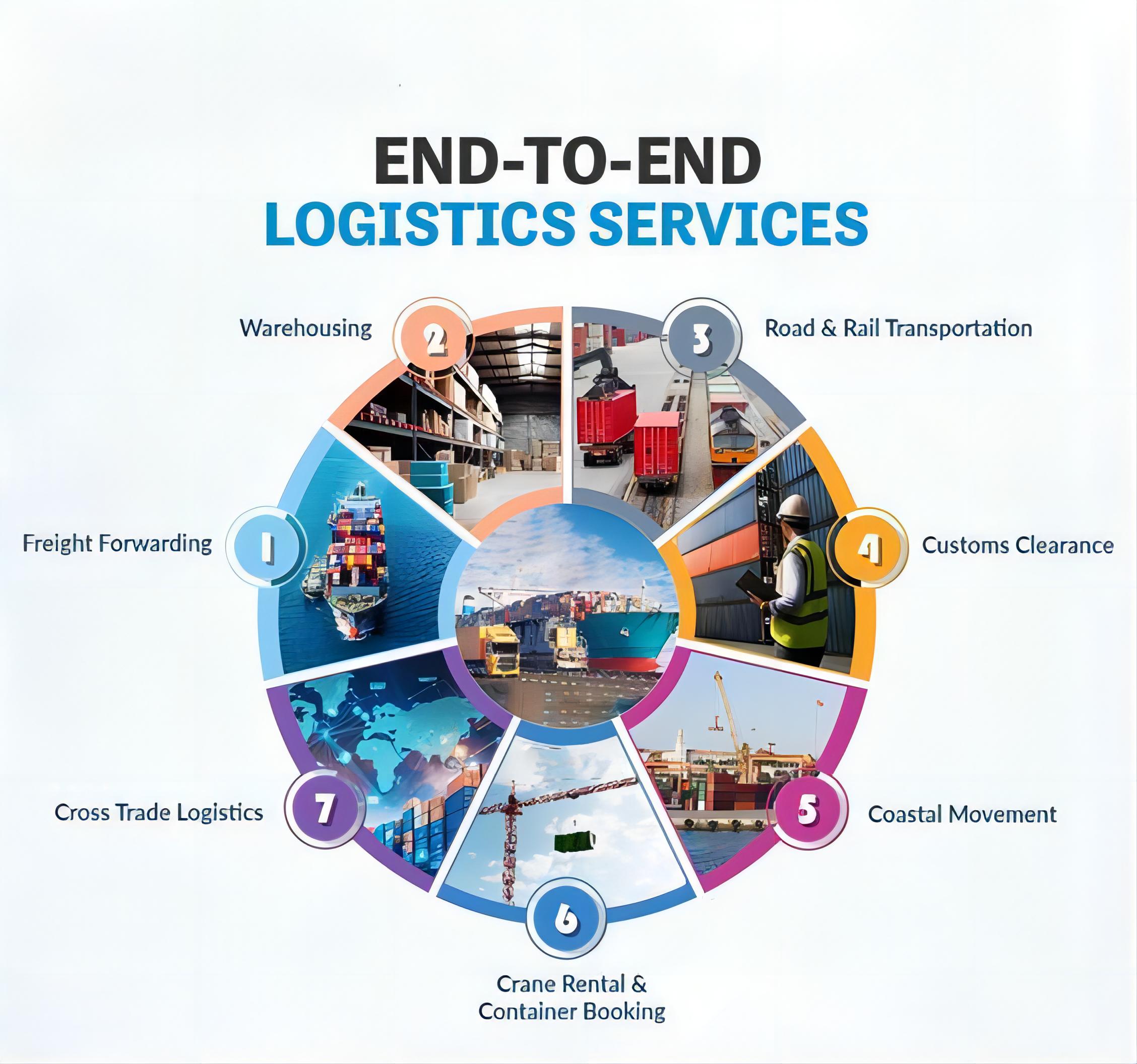
The China Golden Week holiday represents a total operational shutdown in the manufacturing sector, which creates a massive compressed demand for export capacity in the weeks immediately preceding and following the break. Buyers must realize that carrier schedules are not merely delayed; they are fundamentally reorganized, leading to blank sailings and reduced flight frequency. Understanding that export logistics services effectively pivot into a reactive model during this period is the first step toward building a resilient buffer.
Operational planning requires recognizing the ‘pre-holiday rush’ where every factory attempts to clear inventory simultaneously, often overwhelming local drayage and terminal intake capacity. Failure to account for these localized bottlenecks frequently results in cargo missing its intended sailing or flight, leading to costly storage fees at the origin terminal. Importers must proactively communicate with their suppliers to verify that cargo will be physically ready for pickup at least ten days before the holiday begins.
Successful navigation of this window relies on early commitment to space allocations and the avoidance of last-minute spot market booking. Buyers who prioritize transparency regarding their cargo-ready dates and provide accurate CBM and weight data early are significantly more likely to secure space on preferred sailings. It is critical to treat this period as a high-risk event requiring a contingency plan for every shipment, regardless of its size or priority level.
Field note: Focus on the 10-day window pre-holiday.
Common mistake: Waiting until the week of the holiday to book.
Risk alert: Capacity is often fully committed 21 days in advance.
How Do Routing and Gateway Choices Affect This Lane?
Gateway selection determines the reliability of your transit, as major hubs like Shanghai or Shenzhen experience varying degrees of congestion during peak holiday windows. Choosing a gateway with higher carrier frequency increases your ability to recover if a specific sailing is blanked, whereas secondary ports may offer lower costs but significantly higher risk of abandonment. For time-sensitive shipments, routing through primary international airports or deep-water ports remains the most reliable strategy, despite the potential for increased terminal handling fees.
The decision to route via a specific gateway should be informed by the current status of feeder services and drayage availability, which often become the limiting factors as the holiday nears. If your cargo is located in a landlocked province, the transit time to the port of exit must be calculated with a 48-hour buffer to account for increased road traffic and potential inspection delays. Aligning your sea freight routing with established infrastructure helps mitigate the risk of cargo becoming stuck in transit.
Mitigation strategies involve working with a global forwarder to monitor real-time terminal dwell times and re-route accordingly if a specific gateway becomes gridlocked. Buyers should verify that their chosen forwarder has established relationships with major carriers to ensure priority space during the peak period. Always confirm that your transit plan includes a buffer for customs clearance at both origin and destination, as regulatory bodies may also operate on reduced staffing schedules throughout the holiday week.
| Equipment Type | Internal Volume (CBM) | Max Payload (kg / lbs) | Optimal Commodity Fit |
|---|---|---|---|
| 20ft Standard (20GP) | 28–30 CBM (26 usable) | 21,800 kg / 48,000 lbs | Dense, heavy cargo (machinery, auto parts, metals) |
| 40ft Standard (40GP) | 58–60 CBM (54 usable) | 26,500 kg / 58,400 lbs | General packaged cargo, standard palletized loads |
| 40ft High Cube (40HQ) | 68–76 CBM (68 usable) | 26,500 kg / 58,400 lbs | Bulky, lightweight goods (furniture, textiles, electronics) |
| 45ft High Cube (45HQ) | 85–86 CBM (78 usable) | 27,500 kg / 60,600 lbs | High-volume consumer retail distribution |
Field note: Gateway stability is paramount.
Common mistake: Ignoring drayage bottlenecks in inland regions.
Risk alert: Feeder service delays often cause missed mainhaul connections.
How to Choose the Right Mode Mix for This Corridor?

Selecting the correct mode mix requires balancing your inventory requirements against the steep cost premiums associated with expedited air or emergency ocean services during Golden Week. While FCL remains the most cost-effective solution for large volumes, LCL can be a viable alternative if you are willing to risk longer consolidation times at the CFS. The choice between these modes must be finalized well in advance, as the capacity for both equipment and space is severely restricted during this high-demand period.
For urgent replenishment, shifting a portion of your cargo to air freight can prevent stockouts, provided the chargeable weight is managed effectively. Many shippers utilize a hybrid approach, sending core inventory via ocean and critical components via air to optimize landed costs. This multimodal strategy requires careful coordination of documentation to ensure both legs of the journey are compliant and that the cargo arrives at the destination warehouse in a synchronized manner.
The decision framework should prioritize the most critical shipments for the fastest modes, while non-essential freight can be scheduled for post-holiday transit to secure better rates. Buyers must evaluate the total landed cost of each mode, including potential storage fees for delayed ocean shipments, before making a final commitment. Consulting with experts at China Shipping Hub can provide the clarity needed to optimize your mode mix for maximum cost and time efficiency.
Field note: Air freight is the ultimate insurance for critical delays.
Common mistake: Over-relying on slow boat services without air contingencies.
Risk alert: Air freight spot rates can triple during the peak holiday window.
What Transit Timeline Should You Expect?
Expectations for transit timelines during this period should be adjusted to include a 7-14 day variance, as the entire logistics ecosystem slows down. Carriers often implement blank sailings to manage capacity, and terminal congestion can add significant dwell time to your cargo’s journey. It is vital to communicate these extended timelines to your downstream stakeholders to manage expectations and avoid penalties for late delivery.
The timeline begins with the cargo-ready date, which must be strictly followed to meet the vessel or flight cut-off. If your cargo misses the initial booking, the next available window might not open until after the holiday, effectively stalling your supply chain for weeks. Proactive milestone tracking is essential, and any deviation from the planned transit schedule should trigger an immediate review of alternative routing or mode options.
To mitigate timeline risks, ensure that all required documentation is submitted for pre-clearance well ahead of the vessel’s arrival. This allows for faster processing once the cargo reaches the destination port, reducing the time spent in storage or detention. Maintaining a clear, documented timeline with your logistics partner allows for better visibility and faster response times when anomalies occur during the transit process.
| Milestone | Typical Window | Risk Level | Action Required |
|---|---|---|---|
| Booking Confirmation | 21 Days Prior | Low | Lock space |
| Cargo Readiness | 14 Days Prior | High | Verify SKU count |
| Export Cut-off | 7 Days Prior | High | Submit docs |
| Container Loading | 5 Days Prior | Moderate | Monitor drayage |
Field note: Add a 2-week buffer to all standard transit estimates.
Common mistake: Assuming standard transit times apply during peak.
Risk alert: Blank sailings can delay cargo by an additional 7-10 days.
How Are Landed Costs Typically Built?
Landed costs during Golden Week are heavily influenced by the interplay between base freight rates and the sudden surge in peak season surcharges. Freight forwarders and carriers often adjust their pricing daily, making it difficult to lock in long-term rates. A comprehensive landed cost analysis must include not only the freight but also the ancillary costs associated with terminal handling, documentation, and the inevitable storage fees if a shipment is delayed.
When calculating your final cost, remember that destination charges—such as wharfage, pier pass, and delivery fees—can fluctuate based on the specific port and the carrier’s service contract. Shippers frequently overlook the impact of currency exchange volatility and fuel surcharges, which can further complicate budget forecasting. Maintaining a detailed spreadsheet of all anticipated costs, categorized by origin and destination, is the best way to ensure your budget remains intact.
To control costs, buyers should seek itemized quotes that clearly distinguish between base freight and mandatory accessorials. It is also recommended to include a contingency fund of 10-15% in your logistics budget to account for unexpected holiday-related expenses. By working with China Shipping Hub, you can ensure that all cost components are transparently presented, allowing for precise financial planning for your international shipments.
Field note: Always request an all-in quote to prevent hidden fees.
Common mistake: Forgetting to include destination drayage and storage fees.
Risk alert: Base freight is only half the cost; accessorials are the hidden danger.
Which Documents and Compliance Checks Apply?
Compliance is the bedrock of a smooth export, yet it is often the most neglected area during the rush of Golden Week. Every shipment requires a precise set of documents, including the Commercial Invoice, Packing List, and the transport document (B/L or AWB), all of which must strictly match the physical cargo. Discrepancies in these documents are the primary cause of customs seizures and extended holds at both origin and destination ports.
For warehouse services, ensure that all labeling, including SKU and country-of-origin marks, is compliant with destination country regulations. Any failure in labeling can lead to mandatory repackaging or re-labeling services, which are prohibitively expensive and time-consuming during the holiday. It is prudent to conduct a final document audit 72 hours before the cut-off date to ensure that all information is accurate and that no required security filings are missing.
Regulatory bodies at the destination country will be conducting increased inspections during peak periods to identify non-compliant cargo. Ensuring that your HS codes are correct and that you have all necessary certificates (such as fumigation or quality inspection) is essential to avoid delays. By centralizing your documentation management with a professional logistics partner, you can ensure that your compliance posture remains strong throughout the entire holiday season.
| Document / Filing | Submission Window | Responsible Party | Clearance Impact |
|---|---|---|---|
| Customs Import Declaration | Prior to cargo discharge | Licensed Broker / Consignee | Terminal demurrage |
| Commercial Invoice & Packing List | Before vessel departure | Shipper / Exporter | Documentation hold |
| Master / House Bill of Lading | Post-departure confirmation | Freight Forwarder | Release freeze |
| Certificate of Origin (if req) | Prior to import duty assessment | Chamber of Commerce | Loss of tariff relief |
Field note: Accuracy in documentation is your best defense against customs holds.
Common mistake: Submitting mismatched Packing Lists and Commercial Invoices.
Risk alert: Customs authorities prioritize inspections on incomplete documentation.
How Do Peak Seasons Affect Capacity and Pricing?
The peak season environment is defined by extreme volatility, where pricing is driven more by available space than by cost-of-service. Carriers leverage this demand to implement general rate increases (GRI) and peak season surcharges (PSS), which can significantly alter the economics of your supply chain. Understanding that these adjustments are standard industry practice allows you to negotiate with a more realistic view of the market realities.
Capacity management involves not just booking the cargo, but ensuring that your equipment (containers or ULDs) is secured and moved to the terminal on time. In a market where every shipper is competing for the same limited space, your relationship with the carrier and your forwarder’s leverage become critical assets. Shippers who have established volume commitments or long-term contracts are generally prioritized, but even these agreements can be tested during the height of the Golden Week rush.
To thrive, buyers should adopt a flexible pricing strategy that allows for quick adjustments based on market conditions while maintaining a core volume of shipments at negotiated rates. Engaging with China Shipping Hub allows you to tap into our market intelligence and carrier network, providing you with a competitive advantage in securing space and managing your overall logistics spend throughout the peak season.
Field note: Pricing is secondary to space during the peak holiday window.
Common mistake: Fighting over small rate differences while ignoring space availability.
Risk alert: Carrier capacity is the most constrained resource in the global market.
What Is the Step-by-Step Process from Quote to Delivery?
The operational lifecycle of your shipment must be tightly controlled, beginning with a detailed shipment profile capture and ending with the final delivery to your destination. Each step in this process is a potential point of failure, necessitating active communication between the shipper, the forwarder, and the consignee. By following a rigid sequence, you minimize the chance of errors and ensure that your goods are delivered as close to the target date as possible.
The process starts by confirming your cargo-ready date and selecting the mode of transport that aligns with your budget and speed requirements. Once the booking is confirmed, the focus shifts to documentation and compliance, ensuring that all paperwork is filed and verified well in advance of the export cut-off. Mainhaul tracking then becomes the priority, with milestones monitored daily to detect any potential exceptions that could lead to delays at the destination port.
Upon arrival at the destination, the final phase involves customs clearance and drayage to the final warehouse or distribution center. Efficiency at this stage is achieved by having all documents prepared and pre-clearance completed before the vessel or flight arrives. By adhering to this structured SOP, you can effectively navigate the complexities of international trade during the China Golden Week period and ensure that your supply chain continues to function without major disruption.
Field note: Document every status change to maintain accountability.
Common mistake: Failing to verify the cargo-ready date with the factory.
Risk alert: Lack of communication between the factory and forwarder is the leading cause of delays.
Decision Framework
By volume: Capture CBM/kg first; under ~2 CBM often fits express/air, mid volumes need LCL/FCL comparison, and oversized lots require dedicated equipment quotes.
By speed: Urgent windows under ~7 days favor air/express; standard replenishment can use ocean or multimodal once cargo-ready timing is locked.
By cargo profile: Flag DG, temperature-control, or oversized handling before award—these change both documentation and carrier acceptance paths.
Real-World Corridor Case Studies
A manufacturer needed to export high-precision machinery before the Golden Week shutdown. We secured priority space on a major carrier, coordinating drayage from the inland factory to the port of Shanghai. Despite the holiday rush, the machinery arrived at the destination port on schedule, avoiding potential storage fees.
A healthcare provider required urgent delivery of medical components. We utilized an air freight solution to bypass ocean congestion, ensuring the cargo cleared customs and arrived at the warehouse within 5 days. Pre-clearance with local biosecurity authorities was critical to this successful outcome.
Execution Checklist for China Golden Week Export Logistics
Lock the operational sequence for China Golden Week export logistics: profile the cargo, choose the mode, clear compliance, then award space. By focusing on these core elements, you reduce the risk of mid-transit surprises and ensure that your cargo remains a priority for your logistics partners during the most challenging weeks of the year.
Write fee exclusions and cut-off commitments into the award so post-arrival surprises stay off your balance sheet. When you maintain a disciplined approach to documentation and communication, you transform your logistics operations from a reactive cost center into a strategic advantage that supports your company’s growth and reliability.
Process and Checkpoints
Shipment Profile Capture
Confirm cargo-ready date, CBM/weight, commodity, HS code, and Incoterms.
Mode & Service Scope Selection
Compare air / LCL / FCL (or specialty) against transit and landed-cost targets.
Documentation & Compliance Gate
Align commercial invoice, packing list, and any specialty filings before booking.
Space Booking & Cut-off Lock
Reserve carrier/co-loader space and confirm export cut-off windows in writing.
Mainhaul & Milestone Tracking
Monitor departure, arrival, and exception alerts against the awarded transit plan.
Destination Release & Delivery
Clear destination formalities and complete final-mile delivery to the agreed door.
Confirm the right route for your shipment
Ready for a scoped proposal? Share your origin, destination, cargo-ready date, CBM/weight, commodity, and Incoterms to get started.
Request a route reviewFrequently Asked Questions
How do destination demurrage and detention charges accrue on 40HQ containers?
Demurrage and detention charges accrue daily once the free time allowed by the carrier expires, often due to delays in customs clearance or empty container returns.
What hidden accessorial fees often cause freight invoice shocks?
Hidden fees typically include peak season surcharges, last-minute drayage premiums, and terminal handling charges that are not included in the initial base freight quote.
Which documents must be verified prior to requesting a Telex release?
Before requesting a Telex release, verify that the commercial invoice, packing list, and original bill of lading are fully settled and correctly matched to the shipment.
How can multi-supplier shippers prevent CFS dead-space penalties?
Multi-supplier shippers can prevent CFS penalties by consolidating their cargo in a single warehouse before intake, ensuring the shipment utilizes every available CBM effectively.
When is the mandatory cut-off time for submitting security documentation?
Security documentation must typically be submitted at least 24-48 hours before the cargo is loaded onto the vessel or aircraft to comply with international security mandates.
Where does the freight forwarder take legal custody of multi-supplier cargo?
Legal custody typically transitions when the forwarder or their authorized agent signs the warehouse receipt or the transport document at the point of origin.
Rates and surcharges fluctuate; request an itemized quote.
Informational only; not binding legal/tax/customs advice.
Benchmarks reflect standard 2026 practice for this corridor.