
China Freight Solution Provider 2026: Expert Logistics Guide
As the global supply chain continues to evolve, selecting a reliable china freight solution provider 2026 has become a critical factor for international trade success. Businesses now face unique challenges ranging from fluctuating fuel surcharges to shifting regulatory frameworks across major trade lanes. Consequently, understanding the latest logistics trends and cost-saving strategies is essential for maintaining a healthy bottom line this year. This guide provides a detailed analysis of shipping methods, current market rates, and expert tips to optimize your cargo movements from China to the world.

What Defines a Top China Freight Solution Provider 2026?
Identifying a partner that offers more than just transportation is vital in the current market. Modern providers must integrate advanced tracking technology with localized expertise to navigate complex port operations effectively.
Furthermore, a high-quality provider ensures that your documentation is handled with precision to avoid costly delays at international borders. They act as a bridge between your manufacturing partners in China and your final destination customers.
Moreover, flexibility in service offerings allows businesses to scale their operations without switching logistics partners frequently. Indeed, the right partner will offer tailored advice based on seasonal demand shifts and regional economic changes.
Consequently, companies that prioritize transparency in their pricing and transit times are often more successful. You should look for a provider that maintains strong relationships with major carriers like COSCO, Maersk, and MSC.
How Does Sea Freight Compare to Other Shipping Options?
Choosing sea freight remains the most cost-effective strategy for high-volume shipments and heavy machinery. While it offers the lowest cost per unit, the transit times are significantly longer compared to air or rail alternatives.
Specifically, ocean transport is ideal for businesses that can plan their inventory months in advance. For example, seasonal goods intended for Q4 sales should ideally be shipped via ocean by late Q2 or early Q3.
On the other hand, sea freight is susceptible to weather disruptions and port congestion, which can occasionally extend transit times. Nevertheless, it remains the backbone of global trade due to its massive capacity and reliability for non-urgent goods.
In contrast, small shipments under 15 CBM might benefit from Less than Container Load (LCL) options rather than paying for a Full Container Load (FCL). This flexibility helps small and medium-sized enterprises manage their cash flow more effectively.
| Shipping Method | Cost Range | Transit Time | Best For |
|---|---|---|---|
| Sea Freight (FCL) | $2,200 – $5,500 | 25 – 45 Days | Bulk & Heavy Goods |
| Air Freight | $5.50 – $12.00/kg | 3 – 7 Days | Electronics & Fashion |
| Rail Freight | $3,000 – $6,500 | 18 – 25 Days | Mid-value Industrial |
| Express Service | $8.00 – $18.00/kg | 2 – 5 Days | Samples & Documents |

Why Should You Utilize Air Freight for Urgent Shipments?
Selecting air freight is the superior choice when speed is the primary priority for your supply chain. High-value items such as consumer electronics, medical supplies, and perishable goods often justify the higher price point of air transport.
Additionally, air transit significantly reduces the risk of damage or theft due to shorter handling times and stricter airport security protocols. For instance, most air shipments arrive at their destination within a week, including customs processing.
Moreover, using air transport allows businesses to maintain lower inventory levels by enabling just-in-time delivery models. As a result, companies can reduce their warehousing costs and respond more quickly to market trends.
However, you must be aware of the volumetric weight calculations that can increase costs for lightweight but bulky items. Therefore, optimizing your packaging is a critical step in managing your air freight expenses effectively.
Can Rail Freight Bridge the Gap Between Speed and Cost?
Opting for rail freight provides a middle ground for shipments moving from China to Europe. This method is faster than sea freight and considerably cheaper than air freight, making it a popular choice for automotive parts and industrial equipment.
Furthermore, the expansion of the Silk Road rail network has improved the frequency and reliability of departures from major Chinese hubs like Chengdu and Xi’an. Consequently, transit times to European hubs like Warsaw or Duisburg have stabilized around 20 days.
In addition, rail transport is considered a more environmentally friendly alternative to air freight, which is becoming increasingly important for corporate sustainability goals. Meanwhile, the cost savings compared to air can be as high as 60% for certain cargo types.
Accordingly, businesses should consider rail for shipments that are too heavy for air but too urgent for the month-long journey by sea. Without a doubt, rail will continue to grow as a vital component of the china freight solution provider 2026 landscape.
How to Navigate Customs Brokerage and Compliance in 2026?
Partnering with an expert in customs brokerage is essential to avoid legal complications and unexpected fines. Each country has specific import regulations that are subject to change, especially regarding product safety and environmental standards.
Specifically, a professional broker will ensure that your Harmonized System (HS) codes are accurate, which determines the duty rates applied to your goods. For example, misclassifying a product can lead to significant delays and potential seizure by customs authorities.
Moreover, digital customs platforms are becoming the norm in 2026, requiring precise data entry and electronic documentation. Therefore, your freight provider must be proficient in using these digital tools to expedite the clearance process.
Consequently, having a dedicated team to manage your paperwork allows you to focus on your core business operations while experts handle the regulatory hurdles. Indeed, compliance is the foundation of any successful international shipping strategy.
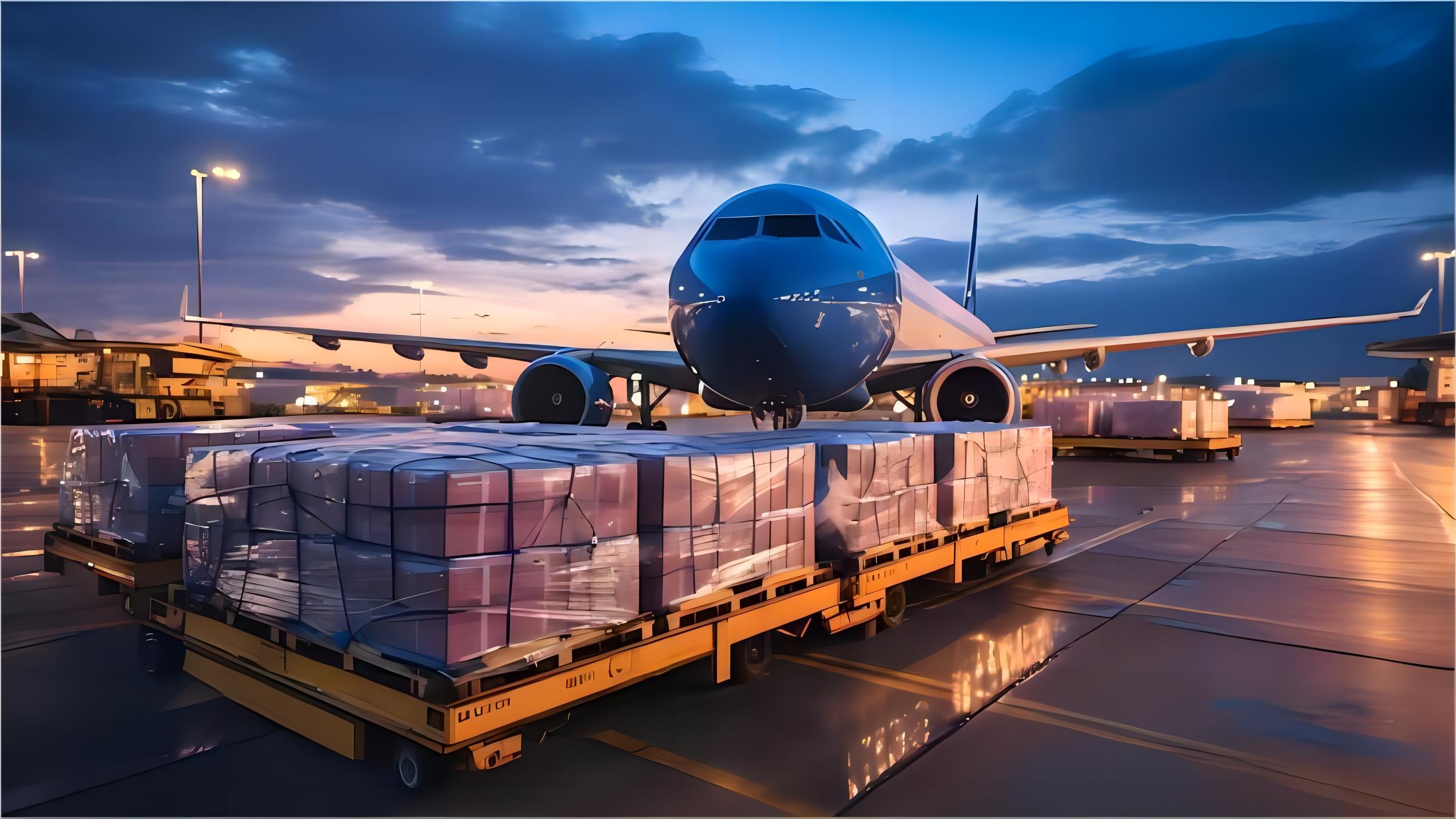
The Advantages of Door to Door Logistics Solutions
Choosing door to door services simplifies the entire logistics chain by providing a single point of contact for the entire journey. This comprehensive service includes pickup from the factory, international transport, customs clearance, and final delivery to your warehouse.
Additionally, this model reduces the risk of communication errors between different logistics providers, as one company manages every stage. For instance, you will receive a single invoice and a unified tracking number for the entire shipment.
Furthermore, door-to-door solutions are particularly beneficial for e-commerce sellers who need their products delivered directly to fulfillment centers. As a result, you can save time and reduce the administrative burden of managing multiple vendors.
Meanwhile, this service often includes insurance options that cover the cargo from the moment it leaves the supplier until it reaches its final destination. Consequently, it provides peace of mind for high-value or fragile shipments.
Which Shipping Option Should You Choose for Your Business?
Determining the best shipping method depends on your budget, timeline, and cargo characteristics. If your primary goal is to minimize costs, sea freight is almost always the best choice for large volumes.
On the other hand, if you are launching a new product or replenishing low stock, the speed of air freight might outweigh the higher cost. Additionally, rail freight offers a strategic advantage for transcontinental shipments where time is of the essence.
For small businesses, utilizing an express service or LCL sea freight allows for smaller, more frequent shipments without the need for large capital outlays. Consequently, you can test new markets with less financial risk.
To summarize, your china freight solution provider 2026 should help you analyze these trade-offs to create a balanced logistics strategy. Always request multiple quotes to compare the value provided by different shipping modes.
Budget Priority Strategies
If budget is your main concern, focus on FCL sea freight and book your shipments at least 4-6 weeks in advance. This approach allows you to secure better rates and avoid the premium prices associated with last-minute bookings.
Additionally, consider consolidation services where your small shipments are grouped with others to fill a container. This strategy significantly reduces the cost per unit for smaller importers.
Speed Priority Strategies
When speed is critical, air freight is the only viable option for intercontinental routes. You should ensure all documentation is prepared in advance to prevent any ground-side delays at the airport.
Moreover, using direct flights rather than transshipment routes can save an additional 2-3 days of transit time. While direct flights are more expensive, they offer the highest reliability for time-sensitive cargo.
Realistic Case Studies for 2026 Shipping Scenarios
Case Study 1: Electronics Distribution to North America. Route: Shenzhen to Los Angeles. Cargo: 1,500 kg of high-end tablets. Method: Air Freight. Total Landed Cost: $12,450. Transit Time: 5 days. Key Insight: Choosing air freight allowed the client to meet a strict product launch deadline despite a manufacturing delay.
Case Study 2: Industrial Machinery to Europe. Route: Ningbo to Hamburg. Cargo: 20GP Container of CNC machines. Method: Sea Freight (FCL). Total Landed Cost: $4,800. Transit Time: 34 days. Key Insight: Early booking and efficient customs brokerage prevented port storage fees during a peak season surge.
Case Study 3: Automotive Parts via Rail. Route: Chengdu to Warsaw. Cargo: 12 CBM of spare parts. Method: Rail Freight (LCL). Total Landed Cost: $3,200. Transit Time: 19 days. Key Insight: Rail provided a 50% cost saving compared to air while arriving 15 days faster than sea freight.
Final Thoughts on Choosing a China Freight Solution Provider 2026
Navigating the logistics landscape requires a proactive approach and a reliable partner to ensure your goods arrive safely and on time. As we have seen, the right china freight solution provider 2026 will offer a mix of sea, air, and rail options tailored to your specific needs.
Furthermore, staying informed about market trends and pricing fluctuations will allow you to make better financial decisions for your business. By prioritizing compliance and choosing the most efficient shipping methods, you can gain a significant competitive advantage in the global marketplace.
Ultimately, success in international trade depends on the strength of your logistics network. We encourage you to evaluate your current strategies and implement the cost-saving tips discussed in this guide to thrive throughout 2026 and beyond.
Need a tailored shipping solution?
Are you ready to optimize your supply chain with a premier china freight solution provider 2026? Contact China Shipping Hub today for a personalized quote and expert guidance on your next shipment. Our team is standing by to help you navigate the complexities of global trade with ease. Send Inquiry: https://chinashippinghub.com/