
Air Freight China Italy: Complete Guide to Costs and Times
Streamlining your supply chain with air freight China Italy requires a deep understanding of logistics dynamics and carrier schedules. Professional shippers rely on China Shipping Hub to manage complex international movements between these two economic powerhouses. Consequently, businesses can achieve faster delivery times while maintaining high standards of cargo safety and reliability.

How Does Air Freight China Italy Work?
Shipping goods via air freight involves a highly coordinated process between manufacturers, freight forwarders, and airlines. Initially, your cargo moves from the factory to a major Chinese hub like Shanghai Pudong or Shenzhen Baoan. Logistics teams then handle the export documentation and security screening before loading the goods onto a cargo aircraft.
Airlines offer both direct flights and transshipment options through intermediate hubs like Dubai or Istanbul. Furthermore, choosing the right service level determines how quickly your goods clear the airport of departure. Once the plane arrives in Italy, usually at Milan Malpensa or Rome Fiumicino, the ground handling team begins the unloading process immediately.
Customs clearance represents the final critical step before the goods reach their destination. Most businesses utilize a professional customs brokerage to ensure all Italian import regulations are met without delay. Indeed, proper documentation prevents costly storage fees at the airport warehouse.
What are the Air Freight Costs from China to Italy?
Carriers calculate air freight rates based on either the actual weight or the volumetric weight of the cargo. Specifically, the industry uses a standard ratio of 1:6000 to determine which weight applies to your shipment. As a result, lightweight but bulky items might cost more than small, heavy packages.
Market rates fluctuate significantly based on seasonal demand and fuel surcharges. For example, during the peak season from September to December, prices often rise by 20 percent or more. Meanwhile, standard market rates as of early 2025 range between 4.50 and 8.00 USD per kilogram for shipments over 100kg.
Additional fees such as fuel surcharges, security fees, and terminal handling charges also impact the final invoice. Therefore, you should always request an all-in quote to avoid unexpected expenses during the shipping process. We recommend checking current rates frequently to stay within your logistics budget.
| Weight Bracket | Rate per KG (USD) | Service Type | Transit Time |
|---|---|---|---|
| +45 KG | $7.50 – $9.00 | Standard Air | 5-7 Days |
| +100 KG | $6.00 – $7.50 | Standard Air | 5-7 Days |
| +500 KG | $5.00 – $6.50 | Economic Air | 7-10 Days |
| +1000 KG | $4.20 – $5.50 | Economic Air | 8-12 Days |
How Does Air Freight China Italy Compare to Other Shipping Options?
Choosing between air, sea, and rail depends heavily on your budget and urgency. While air freight offers the fastest delivery, it comes with a significantly higher price tag than ocean transport. In contrast, sea freight provides the most economical solution for large-volume shipments that are not time-sensitive.
Rail transport has emerged as a middle-ground alternative for many European routes. Shippers often select rail freight when they need a balance between cost and speed. However, air freight remains the only viable choice for high-value electronics, fashion samples, or urgent replacement parts.
Moreover, the reliability of air schedules is generally superior to other modes of transport. Sea freight often faces port congestion or weather delays that can add weeks to the delivery schedule. Consequently, air transport provides the most predictable supply chain performance for critical inventory.
| Method | Cost Range | Transit Time | Best For |
|---|---|---|---|
| Air Freight | $4.50-$9.00/kg | 3-7 Days | Urgent/High Value |
| Rail Freight | $150-$250/CBM | 18-25 Days | Medium Volume |
| Sea Freight | $2000-$4000/40HQ | 35-45 Days | Bulk Goods |
| Express Service | $9.00-$15.00/kg | 2-4 Days | Small Samples |
Transit Times for Air Freight China Italy
Standard air cargo services usually take between 5 and 7 days for airport-to-airport delivery. This timeline includes the time needed for export customs in China and import processing in Italy. Nevertheless, direct flights can reduce this time to just 24 to 48 hours for the flight portion itself.
Door-to-door services naturally take longer because they include local trucking at both ends of the route. Most door to door air shipments arrive within 8 to 12 days. This comprehensive service simplifies the process for the importer by handling every logistics step.
Transit times also vary based on the departure city in China. Flights from major hubs like Shanghai or Hong Kong are more frequent than those from inland cities. Therefore, choosing a major departure hub can often save 1 or 2 days in the total schedule.
Which Option Should You Choose?
Identify your primary business objective before selecting a shipping method. If your priority is speed to market for a new product launch, air freight is the logical choice. On the other hand, if you are moving low-margin bulk commodities, the high cost of air transport will likely erode your profits.
Volume thresholds also play a major role in the decision-making process. For shipments under 100kg, the price difference between air and sea is often surprisingly small. However, as the volume increases toward full container loads, the cost savings of sea freight become massive.
Consider cargo type as well, as some hazardous materials or oversized items face strict air transport restrictions. Always consult with your logistics provider to determine if your specific goods are suitable for air transport. They can provide a tailored strategy that balances cost, speed, and safety.
Real Case Studies for Shipping to Italy
Analyzing real-world examples helps businesses understand the actual costs and timelines involved in international logistics. These cases reflect typical scenarios for Italian importers sourcing from Chinese manufacturing hubs. Please note that rates represent market averages from late 2024 to early 2025.
Case Study 1: Electronics from Shenzhen to Milan Route: Shenzhen (SZX) to Milan (MXP) Cargo: High-end consumer electronics, 3.5 CBM, 850 kg Service: Major carrier, Direct flight Cost Breakdown: – Air Freight: $5,100 – Origin Charges: $250 – Destination Charges: $320 – Total Landed Cost: $5,670 Timeline: 5 days door-to-airport Key Insight: Using a direct flight minimized handling risks for fragile electronics.
Case Study 2: Fashion Textiles from Shanghai to Rome Route: Shanghai (PVG) to Rome (FCO) Cargo: Seasonal clothing line, 8.2 CBM, 1,400 kg Service: Economic Air via Dubai Cost Breakdown: – Air Freight: $6,860 – Origin Charges: $380 – Destination Charges: $450 – Total Landed Cost: $7,690 Timeline: 9 days door-to-door Key Insight: Choosing a transshipment route saved the client 15 percent compared to direct air freight.
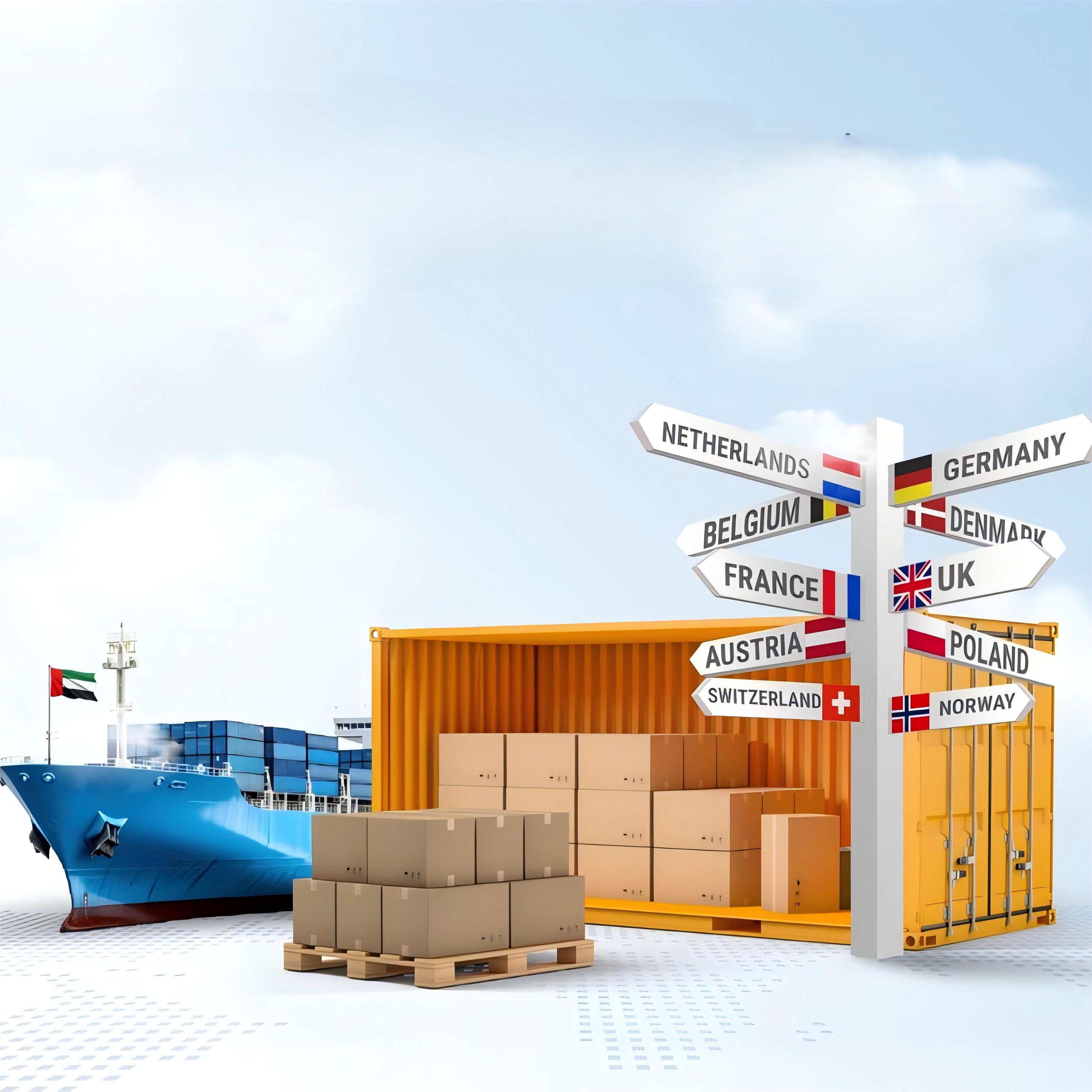
Key Customs Documents for Italian Imports
Successful customs clearance in Italy depends on the accuracy of your documentation. The Italian Customs Agency (Agenzia delle Dogane) requires specific forms to verify the value and origin of the goods. Consequently, missing or incorrect paperwork can lead to lengthy delays and heavy fines.
Ensure your commercial invoice includes the correct HS codes for every item in the shipment. This code determines the duty rate and any specific import restrictions that might apply. Additionally, a detailed packing list helps customs officers verify the contents without needing to open every box.
Furthermore, you must provide a valid EORI number for all commercial imports into the European Union. Without this identification number, the Italian customs system will not process your entry. We recommend preparing these documents at least one week before the scheduled departure.
| Document Name | Purpose | Required By | Format |
|---|---|---|---|
| Commercial Invoice | Valuation and Duty | Customs | Digital/Original |
| Packing List | Inventory Verification | Warehouse | Digital |
| Air Waybill (AWB) | Contract of Carriage | Airlines | Original |
| Certificate of Origin | Trade Agreements | Customs | Original |
| EORI Number | Importer ID | EU Customs | Registration No. |
How to Reduce Shipping Costs for Air Freight
Reducing your logistics expenses requires a strategic approach to packaging and scheduling. First, minimize the use of oversized boxes that increase your volumetric weight. By optimizing your packaging, you can often fit more goods into a smaller space and lower your chargeable weight.
Second, consider consolidated shipping if your volume is relatively small. Freight forwarders often group multiple shipments together to secure better rates from the airlines. This approach allows smaller businesses to benefit from the economies of scale usually reserved for large corporations.
Finally, book your shipments in advance whenever possible to avoid last-minute premium pricing. While air freight is designed for speed, urgent ‘next-flight-out’ services are significantly more expensive than standard air cargo. Planning just a few days ahead can lead to substantial savings.
Logistics Trends and Market Context 2025
The air freight market between China and Italy is currently experiencing a period of stabilization. As of Q1 2025, capacity has returned to pre-disruption levels, leading to more predictable pricing for importers. However, global fuel prices remain a volatile factor that can trigger sudden surcharges.
Technology is also transforming how we track and manage air cargo. Real-time GPS tracking and digital documentation have become standard requirements for modern supply chains. Indeed, these tools provide shippers with unprecedented visibility into their cargo’s journey across continents.
Sustainability is another growing trend affecting the logistics industry in Europe. Many Italian companies now prioritize carriers that utilize newer, more fuel-efficient aircraft or carbon offset programs. Consequently, choosing a ‘green’ logistics partner is becoming a competitive advantage in the European market.
Conclusion
Navigating the complexities of air freight China Italy requires a balance of speed, cost management, and regulatory compliance. By understanding the factors that influence shipping rates and transit times, you can make informed decisions for your business. Whether you choose direct flights for urgency or consolidated services for cost savings, the right logistics partner is essential.
Professional freight forwarding ensures that your high-value cargo reaches its destination in Italy safely and on schedule. Remember to stay updated on market trends and maintain accurate documentation to avoid customs delays. With strategic planning, air freight remains a powerful tool for maintaining a competitive international trade operation.

Ready to streamline your logistics?
Ready to optimize your supply chain with reliable air freight China Italy services? Contact China Shipping Hub today for a personalized quote and expert logistics advice. Visit our website to start your inquiry: https://chinashippinghub.com/
Request Quote