

China National Day Import Shipping Service Guide 2026
Navigating the complexities of a China National Day import shipping service requires precise coordination to circumvent the inevitable factory closures and port congestion that define the early October period. When production schedules stall, importers often face sudden spikes in freight rates and limited carrier capacity, making proactive planning essential for supply chain continuity. By partnering with China Shipping Hub, businesses can secure early space allocations and streamline documentation to bypass the peak-season bottleneck. This guide provides an authoritative operational roadmap for managing your cargo flow during this high-risk window.
Key Takeaways
Factory shutdowns during National Day typically last 3 to 7 days, causing massive backlogs at major Chinese ports.
A 40HQ container should be optimized for 65–70 CBM to ensure stable loading and avoid excess space penalties during peak demand.
Air freight chargeable weight is calculated at the higher of actual weight or volumetric weight (CBM x 167), with a 45kg minimum for standard services.
Booking allocations for the period immediately following the holiday must be confirmed at least 21 days in advance to ensure space.
What Should Buyers Know First About China National Day Import Shipping?
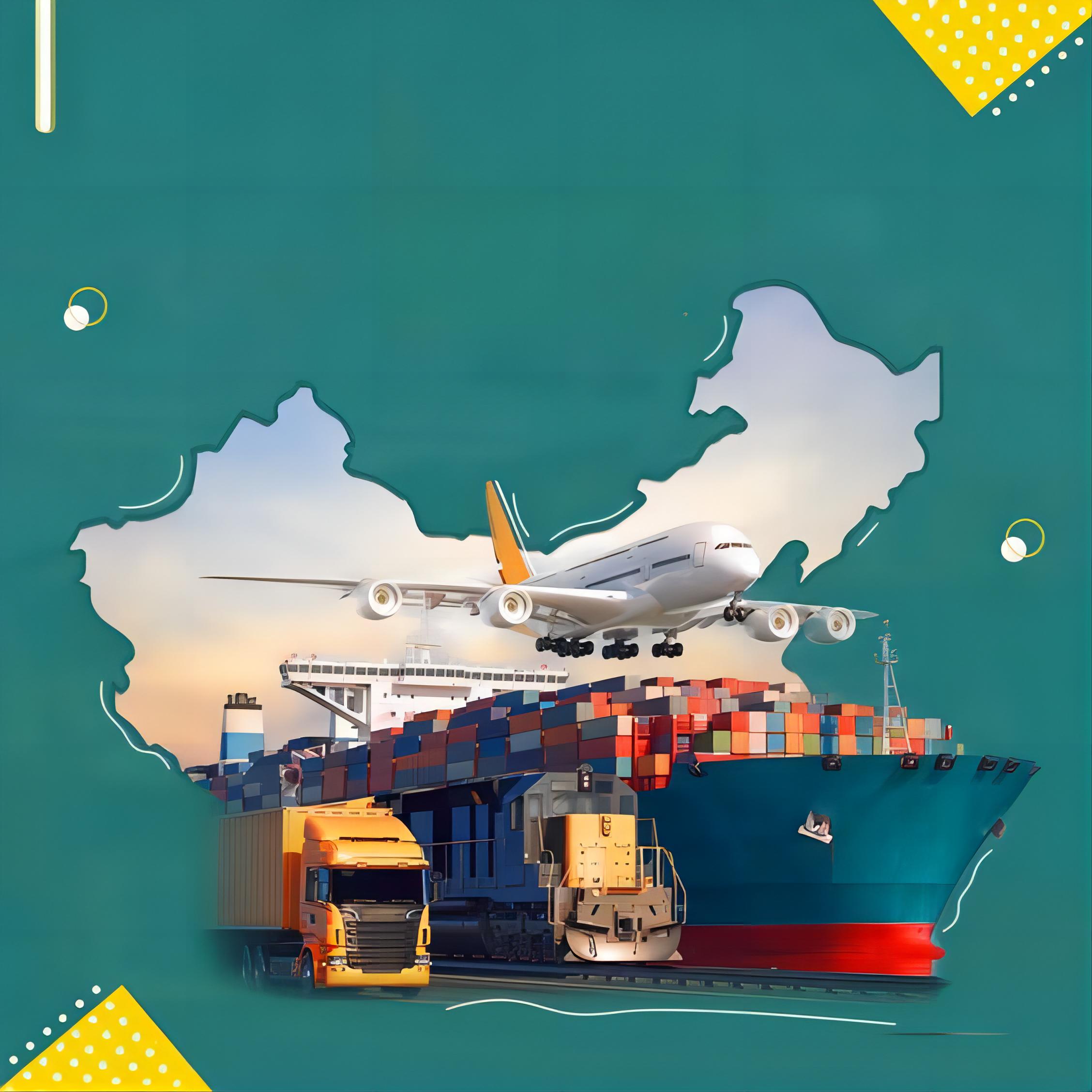
The China National Day import shipping service environment is defined by a week-long public holiday that creates significant volatility in the global supply chain. During this period, factories across the country cease operations, which leads to a temporary halt in cargo readiness and a subsequent surge in output immediately upon their return. Importers must anticipate that this pause creates a ‘bullwhip effect,’ where the rush to move accumulated inventory can overwhelm local drayage and port processing capabilities, leading to unexpected delays.
Operational success during this window depends on shifting from a reactive stance to a proactive allocation strategy. Buyers should account for the fact that administrative offices, customs brokers, and inland trucking services operate at reduced capacity or close entirely during the holiday week. This reality means that any documentation errors or missing paperwork discovered during the break will remain unresolved until operations resume, effectively freezing your shipment in the transit lane.
Mitigation begins with locking in your cargo-ready dates well before the end of September to ensure that your goods are either in transit or safely warehoused before the shutdown begins. It is critical to communicate with your suppliers to confirm their specific closure dates, as some facilities may extend their holidays for maintenance or staff rotation. Reviewing your sea freight options with a clear understanding of these timelines is the first step in protecting your bottom line.
| Risk Category | Impact Level | Typical Surcharge | Mitigation Strategy |
|---|---|---|---|
| Port Congestion | High | USD 200–500 | Early terminal pre-advice |
| Inland Drayage | Medium | USD 150–300 | Book 14 days in advance |
| Peak Season Surcharge | High | USD 500–1000 | Contracted space allocation |
| Warehouse Dwell | Low | USD 50/day | Pre-clearance in customs |
Field note: Ensure your supplier confirms their specific factory closure dates in writing.
Common mistake: Assuming all logistics providers operate at full capacity throughout the first week of October.
Risk alert: Last-minute bookings made within 7 days of the holiday are subject to extreme rate spikes.
How Do Routing and Gateway Choices Affect This Lane?
Optimizing your routing for a China National Day import shipping service involves balancing the speed of primary gateways against the risk of regional congestion. Major ports such as Shanghai, Ningbo, and Shenzhen often experience the heaviest backlog pressure as the holiday ends, making secondary hubs sometimes preferable for time-sensitive cargo. Understanding the specific gateway infrastructure is vital, as the density of cargo throughput dictates the likelihood of equipment shortages and drayage delays at your destination port.
Choosing between direct-call ports and transshipment options can significantly alter your risk profile during this seasonal crunch. While direct ocean routes offer lower handling risks, transshipment hubs can occasionally provide alternative capacity when primary lanes are oversold. However, transshipment introduces additional handoffs that increase the risk of delays if a vessel misses its connection, which is a common occurrence when port productivity slows during the holiday return-to-work period.
We recommend evaluating the air freight alternatives if your cargo is mission-critical or if you are facing a shortage of ocean equipment. Airports near major manufacturing clusters, such as PVG or SZX, can provide a strategic exit point for high-value items that cannot afford the uncertainty of ocean transit delays. By diversifying your gateway strategy, you create a buffer that protects your supply chain from localized bottlenecks that often plague the standard ocean freight lanes.
| Equipment Type | Internal Volume (CBM) | Max Payload (kg / lbs) | Optimal Commodity Fit |
|---|---|---|---|
| 20ft Standard (20GP) | 28–30 CBM (26 usable) | 21,800 kg / 48,000 lbs | Dense, heavy cargo (machinery, auto parts, metals) |
| 40ft Standard (40GP) | 58–60 CBM (54 usable) | 26,500 kg / 58,400 lbs | General packaged cargo, standard palletized loads |
| 40ft High Cube (40HQ) | 68–76 CBM (68 usable) | 26,500 kg / 58,400 lbs | Bulky, lightweight goods (furniture, textiles, electronics) |
| 45ft High Cube (45HQ) | 85–86 CBM (78 usable) | 27,500 kg / 60,600 lbs | High-volume consumer retail distribution |
Field note: Consider secondary airports if primary hubs show excessive dwell times.
Common mistake: Relying on a single port gateway without an alternative plan for unexpected equipment shortages.
Risk alert: Vessel omission risks increase if port congestion forces lines to skip scheduled calls.
Critical Checklist: Documents and Compliance on This Lane

Documentation accuracy is the cornerstone of a smooth China National Day import shipping service, especially when customs authorities are operating under reduced staffing levels. Any discrepancy in your commercial invoice, packing list, or transport document can lead to an automatic hold that persists through the holiday, resulting in significant storage and demurrage fees. It is imperative to perform a pre-audit of all shipping documents before the cargo is loaded to ensure that every line item matches the physical shipment.
Compliance checks should also include verifying that all hazardous or regulated goods have the necessary certifications, such as MSDS or battery testing reports, which are often subjected to stricter scrutiny during periods of heavy volume. If your cargo requires specialized permits or import licenses, these must be secured and validated well before the holiday shutdown. Working with experienced logistics partners who understand these regional nuances can help you avoid the common pitfalls of improper documentation.
Finally, ensure that your mode-appropriate transport document—whether it be a Bill of Lading for ocean freight or an Air Waybill for air transport—is correctly issued and transmitted to your destination broker. The transition from the holiday period back to full activity often results in a backlog of document processing at carrier offices, so having digital copies ready for immediate submission is your best defense against administrative delays. A systematic approach to documentation is your most effective tool for maintaining velocity.
| Document | Purpose | Timing | Owner |
|---|---|---|---|
| Commercial Invoice | Valuation | Pre-Departure | Supplier |
| Packing List | Inventory | Pre-Departure | Supplier |
| Transport Document | Title/Contract | Post-Departure | Carrier |
| Import License | Compliance | Pre-Booking | Importer |
Field note: Submit all documents for pre-clearance at least 48 hours before vessel arrival.
Common mistake: Failing to verify that HS codes are consistent across all documents leading to customs holds.
Risk alert: Inaccurate weight declarations on manifests can cause immediate shipment red-flagging.
What Transit Timeline Should You Expect?
Setting realistic transit expectations for a China National Day import shipping service requires factoring in the ‘holiday-return lag’ that inevitably impacts terminal productivity. While standard ocean transit times are typically consistent, the period immediately after the holiday often sees vessel berthing delays and reduced drayage availability. You should add a buffer of 5 to 10 days to your standard door-to-door transit estimates to account for these post-holiday operational bottlenecks at both origin and destination.
For shippers using warehouse services or consolidation programs, the transit timeline is further complicated by the time required for cargo to be processed and sorted back into existing supply chains. If your cargo is being consolidated with shipments from multiple suppliers, the delay of just one supplier can hold up the entire container, potentially pushing your arrival date well past your original deadline. Managing these dependencies requires constant communication and visibility into the status of each individual unit.
To maintain your delivery schedule, we suggest focusing on the milestones that are within your control, such as timely booking and document submission. By tracking the vessel’s progress against historical performance data, you can identify potential delays early and pivot to alternative transport modes if necessary. Being prepared to expedite final-mile delivery via road or rail once the cargo clears customs is a key strategy for recovering time lost to initial port congestion.
| Leg | Typical Days | Risk Factor | Dwell Note |
|---|---|---|---|
| Origin Trucking | 1-3 | Low | Holiday shutdown |
| Port Handling | 3-7 | High | Peak backlog |
| Ocean Transit | 25-35 | Low | Vessel speed |
| Destination Clearance | 2-5 | Medium | Broker volume |
Field note: Always build a 7-day buffer into your replenishment planning for Q4.
Common mistake: Using off-peak transit averages to forecast arrival during the post-National Day surge.
Risk alert: Vessel blank sailings are common as carriers adjust capacity to manage holiday demand shifts.
How Are Landed Costs Typically Built?
Building a landed cost model for a China National Day import shipping service requires granular visibility into every fee component, as peak season surcharges can significantly inflate your baseline rates. Beyond the basic freight rate, you must account for origin handling charges, terminal handling fees at both ends, and the potential for emergency bunker or peak-season surcharges. These fees are often variable and can be adjusted by carriers at short notice to reflect the tight capacity environment.
It is also critical to include destination-specific costs, such as customs brokerage fees, port storage, and final-mile drayage, which are frequently underestimated in initial procurement budgets. When importers fail to account for these accessorials, their actual landed cost can exceed their estimates by 15% or more. By utilizing a transparent logistics partner, you can ensure that every fee is itemized and anticipated, allowing for more accurate financial forecasting during this volatile period.
To protect your margins, we recommend negotiating an all-in rate where possible, or at least securing a clear schedule of potential surcharges from your forwarder in advance. This approach minimizes the risk of ‘invoice shock’ and allows you to build a more robust budget for your Q4 inventory. Remember that in a high-demand environment, carriers have significant leverage, so having a clear understanding of your cost structure is essential for maintaining control over your supply chain profitability.
Field note: Request a full landed-cost breakdown including all potential accessorials before booking.
Common mistake: Neglecting to budget for destination demurrage and detention, which accrue rapidly during holiday delays.
Risk alert: Fuel surcharges can be adjusted monthly, impacting the total cost of long-haul ocean shipments.
Which Documents and Compliance Checks Apply?
Compliance in a China National Day import shipping service is not just about paperwork; it is a critical gatekeeper for your cargo’s entry into the destination market. National customs authorities require strict adherence to valuation, classification, and origin documentation, and any lapse in these areas can result in prolonged inspections. Our team emphasizes the importance of verifying your HS codes and product descriptions against the latest regulatory updates to ensure that your declarations are bulletproof.
Beyond standard customs entries, shippers must be aware of any specific biosecurity or safety regulations that apply to their commodities. For instance, goods requiring temperature control or specific pallet treatment (ISPM-15) must be properly documented to avoid biosecurity holds that can be extremely difficult to resolve during holiday periods. Having clear, concise, and accurate documentation ready for electronic submission is the most effective way to expedite your clearance and minimize dwell time at the port.
Finally, ensure that you are maintaining a digital archive of all compliance documentation for at least five years, as required by many national customs agencies. This practice not only assists in the event of an audit but also provides a reference point for future shipments, helping to streamline your processes over time. By prioritizing compliance at every step, you transform a potential operational burden into a stable and predictable component of your international trade strategy.
Field note: Always check for updated import restrictions or duty changes before the holiday begins.
Common mistake: Using outdated customs forms that no longer meet current electronic filing standards.
Risk alert: Failure to provide a certificate of origin can trigger heavy duty penalties or cargo rejection.
How Do Peak Seasons Affect Capacity and Pricing?
The China National Day import shipping service landscape is fundamentally shaped by the supply-demand imbalance that occurs as factories scramble to finish orders before the holiday. This surge in volume creates intense competition for carrier capacity, which leads to immediate price escalations and, in some cases, the ‘rolling’ of containers to later sailings. For shippers, this means that your booking is never truly secure until the container has been gated into the terminal and confirmed as ‘loaded’ on the vessel.
Pricing during this period is dynamic and highly responsive to changes in carrier capacity. As available space on vessels and aircraft becomes scarce, carriers move to implement peak-season surcharges and emergency space premiums. These additions can turn a standard, cost-effective shipment into a high-cost endeavor, making it essential for shippers to evaluate their shipping urgency versus their budget constraints. We often see shippers moving from ocean to air for high-margin, time-sensitive goods simply to ensure delivery before the holiday period closes.
To manage these fluctuations, we recommend establishing a relationship with a forwarder that has strong carrier allocations and deep market intelligence. Knowing when to book—and when to hold—can save you thousands of dollars in premium fees. By monitoring capacity trends across your specific trade lane, you can make informed decisions that align with your business objectives, ensuring that your goods move efficiently even when the broader market is under significant pressure.
Field note: Monitor carrier capacity reports weekly to identify potential space bottlenecks.
Common mistake: Waiting until the last minute to book, hoping for a drop in seasonal demand.
Risk alert: Containers booked during peak windows are at high risk of being rolled to subsequent vessels.
What Is the Step-by-Step Process from Quote to Delivery?
A structured approach to your China National Day import shipping service ensures that no detail is overlooked, from initial inquiry to final delivery at your warehouse. The process begins with a comprehensive shipment profile capture, where we define the cargo-ready date, dimensions, weight, and Incoterms to build a precise, itemized proposal. This foundational step is crucial for identifying any potential challenges early and ensuring that the selected transport mode aligns with your specific transit and budget requirements.
Once the quote is accepted, we move to mode and service scope selection, followed by the rigorous documentation and compliance gate checks. This phase involves verifying all commercial invoices, packing lists, and specialty filings to ensure that the shipment is prepared for seamless customs clearance. We then proceed to secure space on your preferred carrier, locking in the export cut-off windows and providing you with a confirmed booking reference that serves as our anchor for the entire transit milestone tracking.
The final stages of the process involve mainhaul monitoring and destination release. We provide proactive milestone tracking to anticipate any exceptions or delays, ensuring that you are always aware of your cargo’s status. Once the shipment arrives at the destination, our team facilitates final-mile delivery, ensuring that your goods are handed off safely and efficiently. By following this six-step SOP, we provide a consistent and reliable experience that protects your business from the volatility of the peak season.
Field note: Use our inquiry form to initiate a structured booking process.
Common mistake: Overlooking the importance of confirming final-mile delivery constraints before the vessel arrives.
Risk alert: Failure to coordinate port-to-door drayage early can lead to significant storage fees.
Decision Framework
By volume: Capture CBM/kg first; under ~2 CBM often fits express/air, mid volumes need LCL/FCL comparison, and oversized lots require dedicated equipment quotes.
By speed: Urgent windows under ~7 days favor air/express; standard replenishment can use ocean or multimodal once cargo-ready timing is locked.
By cargo profile: Flag DG, temperature-control, or oversized handling before award—these change both documentation and carrier acceptance paths.
Real-World Corridor Case Studies
A manufacturer needed to move 45 CBM of oversized machinery just days before the National Day shutdown. We secured space on a direct vessel to minimize handling risks. By pre-clearing customs in Germany, we avoided port congestion upon arrival.
For a time-sensitive shipment of medical devices, we utilized air freight to bypass the holiday port backlog. The cargo was palletized and pre-checked for biosecurity compliance, ensuring rapid release by the Australian Department of Agriculture.
Execution Checklist for China National Day Import Shipping
Successfully navigating the China National Day import shipping service window requires a disciplined focus on data integrity, early booking, and proactive communication. By treating the holiday as a planned disruption rather than an unexpected event, you can align your supply chain to withstand the inevitable volatility. Review your supplier readiness, confirm your documentation, and secure your carrier space well in advance to maintain the flow of your goods throughout October.
Use this guide as a recurring buyer checklist: ensure your data is in, your mode is selected, your filings are ready, and your capacity is firmly reserved. Confirm all free time and delivery constraints in writing with your logistics partner to protect your schedules. With careful execution and the right planning, you can turn seasonal risks into a competitive advantage for your business.
Process and Checkpoints
Shipment Profile Capture
Confirm cargo-ready date, CBM/weight, commodity, HS code, and Incoterms.
Mode & Service Scope Selection
Compare air / LCL / FCL (or specialty) against transit and landed-cost targets.
Documentation & Compliance Gate
Align commercial invoice, packing list, and any specialty filings before booking.
Space Booking & Cut-off Lock
Reserve carrier/co-loader space and confirm export cut-off windows in writing.
Mainhaul & Milestone Tracking
Monitor departure, arrival, and exception alerts against the awarded transit plan.
Destination Release & Delivery
Clear destination formalities and complete final-mile delivery to the agreed door.
Confirm the right route for your shipment
Ready for a scoped proposal? Share your origin, destination, cargo-ready date, CBM/weight, commodity, and Incoterms to get started.
Request a route reviewFrequently Asked Questions
How do destination demurrage and detention charges accrue on 40HQ containers?
These charges accrue daily after the expiration of your allowed free time at the port. During peak holiday periods, port congestion often leads to delays in drayage, making it critical to negotiate extended free time or ensure pre-clearance.
What hidden accessorial fees often cause freight invoice shocks?
Common hidden fees include terminal handling charges (THC), peak season surcharges (PSS), fuel adjustments, and documentation fees for amendments or late filings. Always request a full landed-cost estimate to avoid these surprises.
Which documents must be verified prior to requesting a Telex release?
Before requesting a Telex release, verify that the original Bill of Lading has been surrendered by the shipper and that all outstanding freight charges are fully settled with the carrier or your forwarder.
How can multi-supplier shippers prevent CFS dead-space penalties?
Consolidate your cargo at a single origin warehouse and ensure that all suppliers provide accurate, verified dimensions. Using a unified consolidation plan minimizes the risk of paying for unused container space.
When is the mandatory cut-off time for submitting security documentation?
Security filings must be submitted according to the carrier’s specific cut-off, which is often 24 to 48 hours before vessel loading. Missing this window will result in the cargo being rolled to the next sailing.
Where does the freight forwarder take legal custody of multi-supplier cargo?
Legal custody typically transfers at the point of consolidation, such as the origin warehouse or the container freight station (CFS), where the cargo is officially received and the transport document is issued.
Rates and surcharges fluctuate; request an itemized quote.
Informational only; not binding legal/tax/customs advice.
Benchmarks reflect standard 2026 practice for this corridor.