
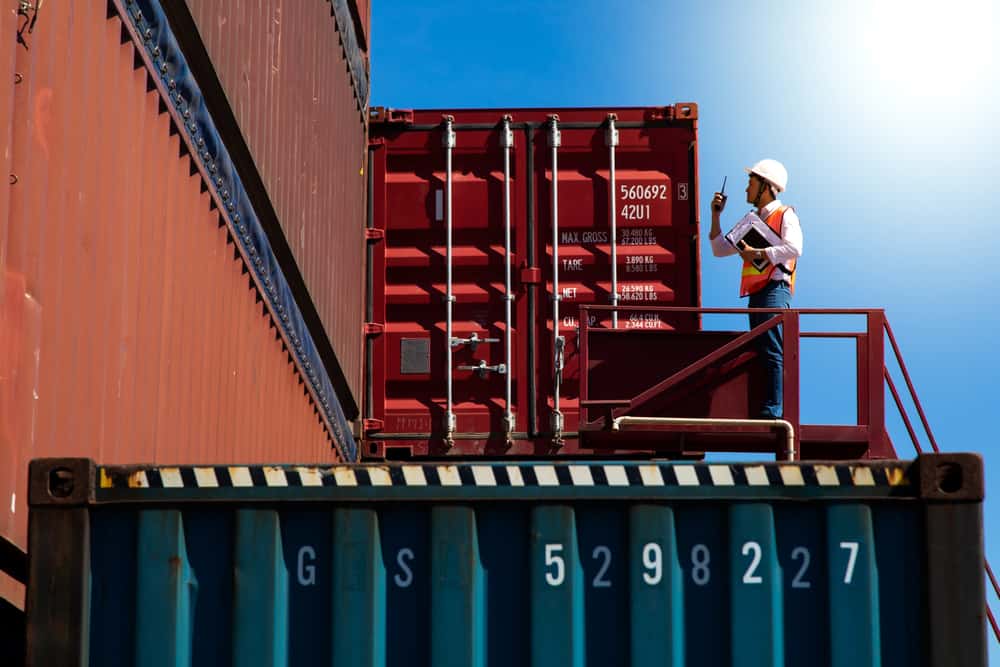
OEM shipping service helps businesses move factory-produced goods from China to international markets while coordinating factory pickup, freight transportation, customs clearance, and final delivery. For importers working with manufacturers in Shenzhen, the right logistics solution can help control shipping costs, reduce delays, and create a more predictable supply chain.

1.What Is an OEM Shipping Service?
An OEM shipping service is a transportation solution designed for businesses that purchase goods from original equipment manufacturers or factories. Instead of managing every logistics stage independently, the buyer can use a freight forwarder to coordinate cargo from the factory through international transportation and onward to the final destination.
A typical OEM shipment may include:
- Factory pickup
- Cargo consolidation
- Export documentation
- Customs clearance
- Sea freight or air freight
- Destination handling
- Import clearance
- Final delivery
For businesses sourcing from Shenzhen, this process can start directly at the manufacturer’s facility. The cargo can then be transported to a suitable port or airport before continuing to the destination country.
This is particularly useful for importers who need more than basic transportation. They may also require documentation support, shipment tracking, warehouse coordination, insurance, or door-to-door delivery.
Moreover, the shipping method can be selected according to cargo volume and urgency. Large OEM orders may use FCL sea freight, while smaller shipments can use LCL. Urgent orders may be transported by air.
Therefore, an OEM shipping service should be viewed as a complete logistics solution rather than simply a freight booking.
2.How Does an OEM Shipping Service Work?
The process normally starts before the goods are ready at the factory. The importer provides the cargo details, destination, preferred transportation method, and delivery requirements.
The freight forwarder can then coordinate each stage.
1. Factory Pickup
The logistics provider arranges transportation from the OEM factory to a port, airport, warehouse, or consolidation facility.
2. Export Preparation
The necessary commercial invoice, packing list, customs information, and shipping instructions are prepared.
3. International Transportation
The shipment moves by sea, air, rail, or multimodal transportation depending on the route and requirements.
4. Customs Clearance
Export customs procedures are completed in China. After arrival, the importer or its logistics provider handles destination customs clearance.
5. Final Delivery
Once the shipment is released, it can be transported to a warehouse, distribution center, store, or business address.
This coordinated process can reduce communication between multiple logistics providers. Additionally, it allows businesses to plan transportation around their production and purchasing schedules.
3. Why Choose an OEM Shipping Service for Shenzhen Shipments?
Shenzhen is an important manufacturing and export location, so many international buyers need transportation solutions that begin directly at the factory.
Without professional logistics support, an importer may need to coordinate the manufacturer, truck company, warehouse, shipping line, customs broker, and destination carrier separately.
An OEM shipping service can simplify this process by placing multiple logistics activities under one coordinated shipment plan.
The main advantages include:
- Direct factory pickup
- Flexible shipping options
- Better control of shipping costs
- Professional export documentation
- Customs clearance support
- LCL consolidation
- FCL container shipping
- Air freight for urgent cargo
- Door-to-door transportation
- Shipment tracking
For companies searching for freight forwarding from China, this type of service can be particularly useful because the freight forwarder can coordinate transportation from the manufacturing location instead of requiring the buyer to arrange separate inland transportation.
Furthermore, the logistics provider can compare routes and transportation methods according to the buyer’s priorities.
4. Real Case: Shenzhen to New York by FCL Sea Freight
One publicly documented logistics case involved a 20-foot container shipped from Shenzhen to Dundee, New York, USA. The cargo consisted of industrial equipment packed in wooden crates. The shipment was transported through Yantian, with the logistics process including container booking, documentation, insurance, tracking, U.S. entry filing, and final delivery.
The published case demonstrates how a Shenzhen-origin shipment can involve considerably more than ocean transportation.
For an importer purchasing OEM equipment, the logistics process may look like this:
Shenzhen factory → Yantian → New York → Customs clearance → Inland delivery
The use of FCL was appropriate for the containerized industrial cargo. In addition, the wooden-crate packaging required attention during loading and transportation.
This example is relevant to businesses using an OEM shipping service because factory-produced equipment often requires coordinated pickup, container planning, documentation, and destination delivery.
It also highlights an important point about China to USA freight services: the ocean freight itself is only one part of the total logistics process.
Businesses should consider origin charges, documentation, customs clearance, inland transportation, and destination handling when comparing quotations.
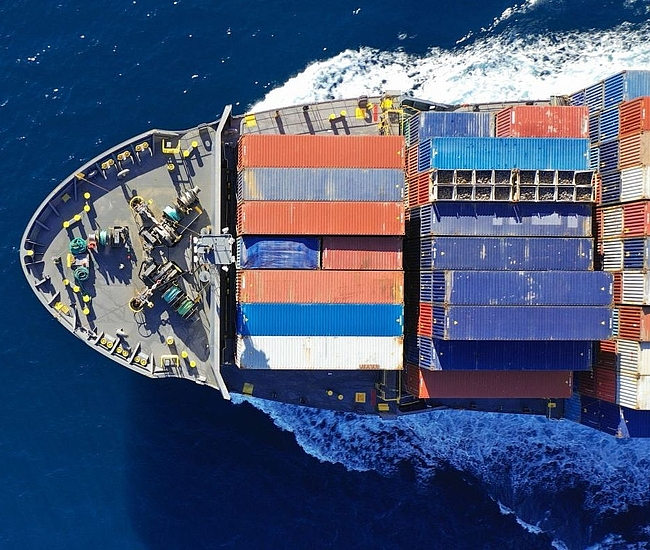
6.What Shipping Options Are Available for an OEM Shipping Service?
There is no universal price for an OEM shipping service because logistics costs depend on the actual shipment.
Important factors include:
- Cargo weight
- Cargo volume
- Container type
- Factory pickup location
- Destination
- Transportation method
- Shipping season
- Port charges
- Customs clearance
- Warehousing
- Inland delivery
- Duties and taxes
When comparing shipping costs from China, importers should make sure the quotations are based on the same shipment information.
For example, one provider may quote only the ocean freight, while another may include factory pickup, documentation, customs clearance, and destination delivery.
The first quotation may look cheaper even though its total cost is higher after additional charges are added.
Therefore, businesses should request a detailed quotation that clearly explains what is included and excluded.
The same principle applies when comparing China freight rates. Freight rates can change according to carrier capacity, season, fuel prices, port conditions, and market demand.
7.How Long Does an OEM Shipping Service Take?
Transit time depends on the destination and transportation method.
However, businesses should distinguish between transportation time and total delivery time.
A complete shipment may involve:
Factory production → Factory pickup → Export customs → Port handling → International transit → Import customs → Final delivery
Therefore, a quoted ocean transit time does not necessarily represent the time from the factory to the buyer’s warehouse.
The documented Shenzhen-to-Riyadh air freight case reported an eight-day delivery timeline for a 260 kg shipment. This demonstrates how air transportation can be useful when delivery speed is important.
Meanwhile, the Shenzhen-to-Dakar LCL case shows that consolidation can add operational steps compared with a direct FCL shipment.
For this reason, importers should ask for an estimated door-to-door delivery schedule when planning inventory.
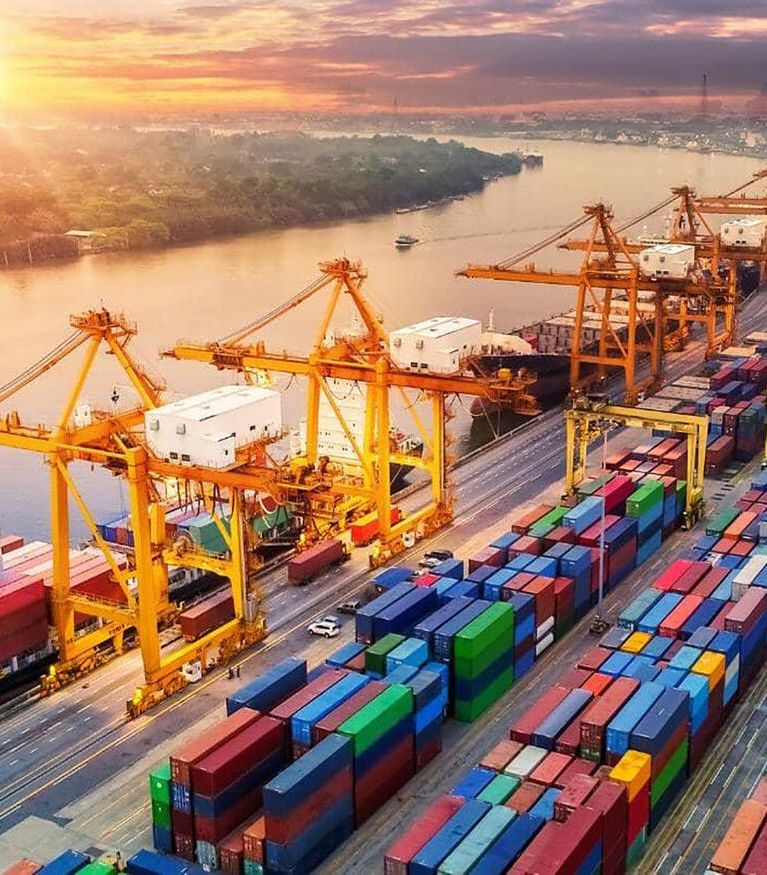
8.What Documents Are Needed for an OEM Shipping Service?
Accurate documentation is an important part of China import and export logistics.
| Document | Purpose |
| Commercial Invoice | Shows transaction and cargo value |
| Packing List | Provides package, quantity, weight, and dimensions |
| Bill of Lading / Air Waybill | Provides transportation details |
| Customs Declaration | Supports customs procedures |
| Certificate of Origin | Confirms origin when required |
| Product Documents | Supports destination-specific requirements |
For customs clearance from China, the declared cargo information should match the actual shipment.
Incorrect product descriptions, quantities, values, or other information can lead to customs questions, additional costs, or delays.
Importers should also check destination-country requirements before the cargo leaves the factory.
For example, a shipment to the United States may have different import requirements from a shipment to Saudi Arabia, Australia, or European countries.
Consequently, customs planning should be part of the logistics process from the beginning.
9.How Can Businesses Reduce OEM Shipping Costs?
The best way to reduce logistics costs is not always to choose the lowest freight quotation.
Instead, businesses should optimize the complete supply chain.
First, provide accurate cargo information. Incorrect dimensions or weight can result in revised freight charges.
Second, select the appropriate container option. FCL can be efficient for large shipments, while LCL may be more practical for smaller cargo volumes.
Third, compare transportation methods based on the value of time. Sea freight can reduce transportation costs, while air freight can reduce inventory waiting time.
Fourth, plan shipments before the factory finishes production. Last-minute bookings can reduce available transportation options.
Finally, review packaging requirements. The Shenzhen-to-Dakar case shows that appropriate packaging can be important for protecting cargo during LCL handling.
Moreover, businesses should compare the total logistics cost rather than only the base freight rate.
10.How to Choose the Right OEM Freight Forwarder?
Choosing the right freight forwarder is important because the provider may be responsible for several stages of the shipment.
When evaluating a logistics partner, businesses should consider whether it can provide:
- Shenzhen factory pickup
- FCL and LCL shipping
- Air freight
- International freight forwarding
- Export customs clearance
- Destination customs coordination
- Door-to-door delivery
- Cargo insurance
- Shipment tracking
- Documentation support
Experience with the destination market is also valuable.
For example, a provider handling China to USA freight services should understand the relevant U.S. import procedures. A shipment to the Middle East or Europe may require a different set of documentation and customs processes.
Additionally, businesses should request transparent quotations and confirm which charges are included.
A professional freight forwarder should help the importer understand the relationship between shipping method, transit time, cargo handling, and total cost.
Request a Quote
Need a reliable OEM shipping service for cargo leaving Shenzhen? Contact a professional logistics team with your factory location, destination, cargo volume, weight, and preferred delivery schedule. A customized quotation can help you compare sea freight, LCL, FCL, air freight, and door-to-door options before the shipment leaves the factory.
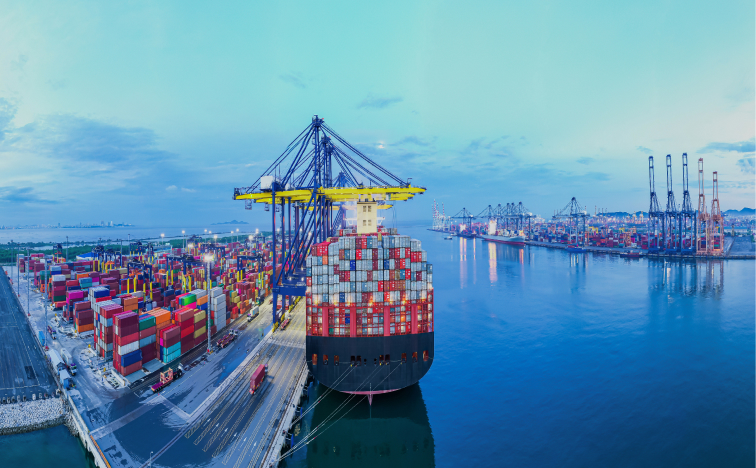
FAQ (Beyond the Main Content)
Q1: What Is an OEM Shipping Service?
An OEM shipping service coordinates the transportation of factory-produced goods from the manufacturer to the overseas buyer. It may include factory pickup, export customs clearance, sea or air freight, import procedures, and final delivery. The exact service depends on the cargo, destination, Incoterm, and delivery requirements.
Q2:Can OEM Products Be Shipped Directly From Shenzhen?
Yes. A freight forwarder can arrange pickup directly from a Shenzhen OEM factory and transport the cargo to a port, airport, warehouse, or consolidation facility. The shipment can then continue to the destination country by sea, air, or another suitable transportation method.
Q3:What Is the Best Shipping Method for OEM Products?
The best method depends on the shipment. FCL is generally suitable for larger orders, while LCL can work for smaller volumes. Air freight is useful for urgent cargo when transit time is more important than the lowest freight cost. Businesses should compare cost, volume, destination, and delivery requirements.
Q4:How Much Does an OEM Shipping Service Cost?
There is no fixed price. Shipping costs depend on cargo weight, volume, destination, transportation method, season, origin charges, destination fees, customs requirements, and final delivery. Importers should provide complete shipment details when requesting a quotation to receive a more accurate estimate.
Q5: Does an OEM Shipping Service Include Customs Clearance?
It can, depending on the agreed service and Incoterm. Export customs clearance in China and import customs clearance at the destination are separate processes. Before shipment, the importer should confirm who handles each procedure and whether duties, taxes, and destination charges are included.
Q6:How Long Does Shipping From Shenzhen Take?
Shipping time depends on the destination and transportation method. Air freight is generally faster than sea freight, while LCL shipments may require additional consolidation and handling. Total delivery time should also include factory pickup, export customs, port handling, international transit, import clearance, and final delivery.