
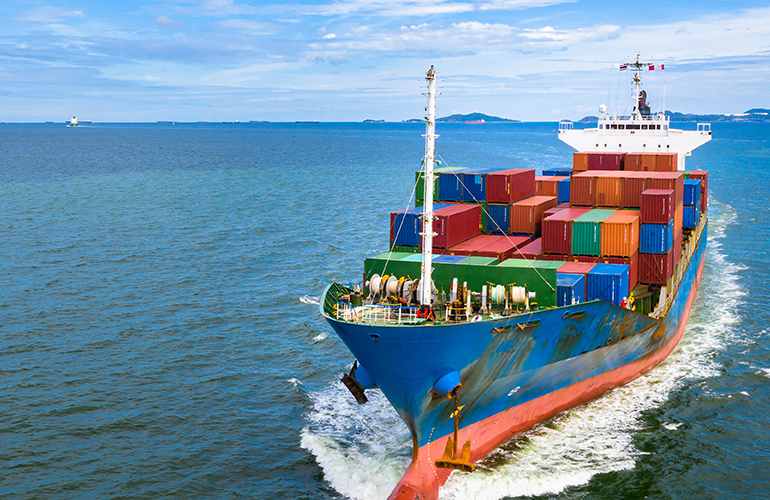
Managing large and heavy shipments requires more than basic freight transportation. Professional Bulk Cargo Shipping Services help businesses move oversized, high-volume, and special cargo safely with efficient planning, competitive pricing, and reliable delivery solutions. However, many companies face challenges such as complex shipping procedures, high transportation costs, and difficulties coordinating multiple logistics providers.
With an experienced shipping partner, businesses can simplify bulk cargo transportation, reduce risks, and improve supply chain efficiency. From cargo planning and freight arrangements to customs clearance and final delivery, we provide complete logistics solutions designed for global businesses.
What Is Sea Freight Transit Time?
Sea freight transit time refers to the number of days required for cargo to travel by sea from the port of origin to the destination port. However, the total delivery schedule includes much more than the ocean voyage itself.
A typical shipment involves several stages:
- Cargo pickup from the supplier
- Export customs clearance from China
- Container loading at the port
- Ocean transportation
- Import customs clearance
- Inland delivery to the final destination
Therefore, businesses should calculate the complete logistics process instead of focusing only on vessel sailing days.
Reliable China international shipping solutions help companies estimate delivery schedules more accurately. Moreover, understanding transit times allows importers to reduce inventory shortages and improve customer satisfaction.
What Factors Affect Sea Freight Transit Time?
Many variables influence shipping schedules. Although shipping lines publish estimated transit times, actual delivery dates may differ depending on operational conditions.
Departure Port
China has several major international ports, including Shanghai, Shenzhen, Ningbo, Qingdao, and Xiamen.
Ports with frequent sailings usually offer:
- More direct shipping services
- Shorter waiting times
- Better vessel availability
For example, Shanghai often provides daily departures to North America and Europe, while smaller ports may require feeder services before cargo reaches an international vessel.
Destination Port
The destination also plays a significant role.
Direct routes generally arrive faster than shipments requiring transshipment.
For example:
- Shenzhen → Los Angeles usually has a shorter transit time than
- Shenzhen → inland U.S. cities that require rail or truck transportation after arrival.
Customs Clearance
Efficient customs clearance from China is essential for avoiding unnecessary delays.
Incorrect commercial invoices, missing packing lists, or inaccurate HS codes may extend the shipping process by several days.
Additionally, destination customs inspections can affect delivery schedules.
Peak Shipping Seasons
Sea freight becomes busier during:
- Chinese New Year
- Golden Week
- Black Friday preparation
- Christmas shopping season
During these periods, shipping lines experience higher demand, and port congestion becomes more common.
Weather and Port Congestion
Typhoons, storms, labor shortages, and unexpected port congestion may delay vessel arrivals.
Although these factors cannot be controlled, experienced freight forwarders monitor shipping schedules and adjust logistics plans accordingly.
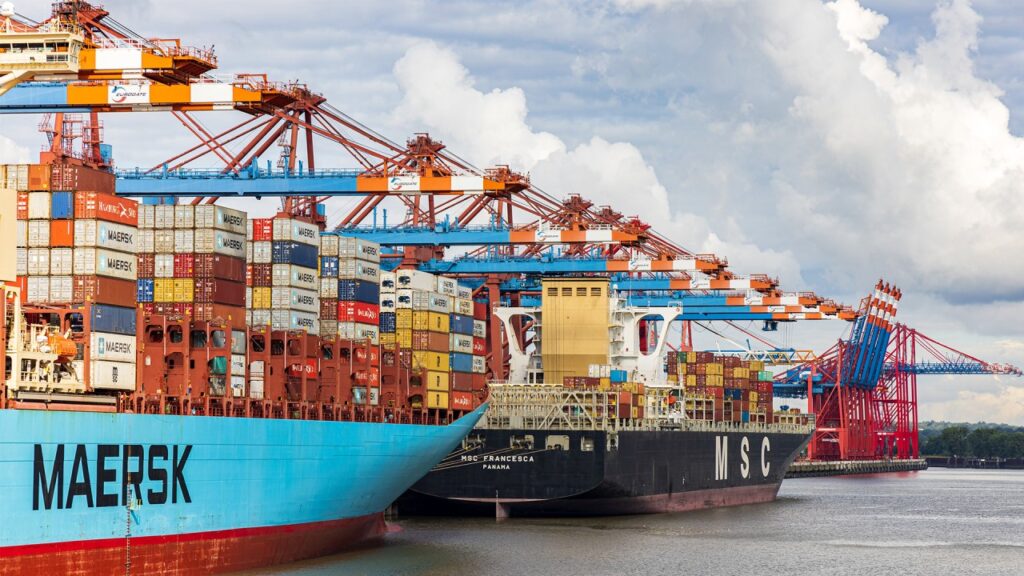
Real Shipping Example 1: Shenzhen to Los Angeles
A U.S. furniture importer purchased one 40HQ container from a supplier in Shenzhen.
Shipment Details
- Cargo: Home furniture
- Shipping method: FCL
- Departure: Shenzhen
- Destination: Los Angeles
- Ocean transit: 16 days
Additional logistics:
- Export customs: 2 days
- Port handling: 1 day
- Import customs: 2 days
- Truck delivery: 3 days
Total delivery time: 24 days
Because the importer prepared all customs documents before departure, customs clearance was completed smoothly. As a result, the shipment arrived ahead of schedule and avoided expensive port storage fees.
This example demonstrates how proper planning can reduce delays even when sea freight transit time remains unchanged.
How Can Businesses Reduce Sea Freight Transit Time?
Although shipping companies cannot control every external factor, businesses can significantly improve delivery performance through better logistics planning.
Book Shipping Space Early
During peak seasons, vessel capacity becomes limited.
Booking cargo two to four weeks in advance provides:
- More sailing choices
- Better freight rates
- Lower risk of shipment rollovers
Moreover, early booking allows businesses to select direct shipping routes whenever possible.
Prepare Shipping Documents Carefully
Incomplete documentation remains one of the most common causes of shipping delays.
Essential documents include:
- Commercial Invoice
- Packing List
- Bill of Lading
- Export Declaration
- Certificate of Origin (if required)
Accurate paperwork speeds up both export and import customs procedures.
Select Direct Shipping Services
Whenever possible, choose routes without transshipment.
Direct services generally offer:
- More reliable transit times
- Lower cargo handling risk
- Better delivery schedule accuracy
Although direct routes may cost slightly more, they often reduce overall logistics expenses by minimizing delays.
Work with an Experienced Freight Forwarder
Professional China freight shipping services provide far more than transportation.
A reliable freight forwarder can:
- Compare carrier schedules
- Monitor vessel movements
- Arrange customs clearance
- Coordinate inland delivery
- Provide real-time shipment tracking
As a result, businesses gain greater visibility across the entire supply chain while reducing operational risks.
Is FCL or LCL Better for Sea Freight Transit Time?
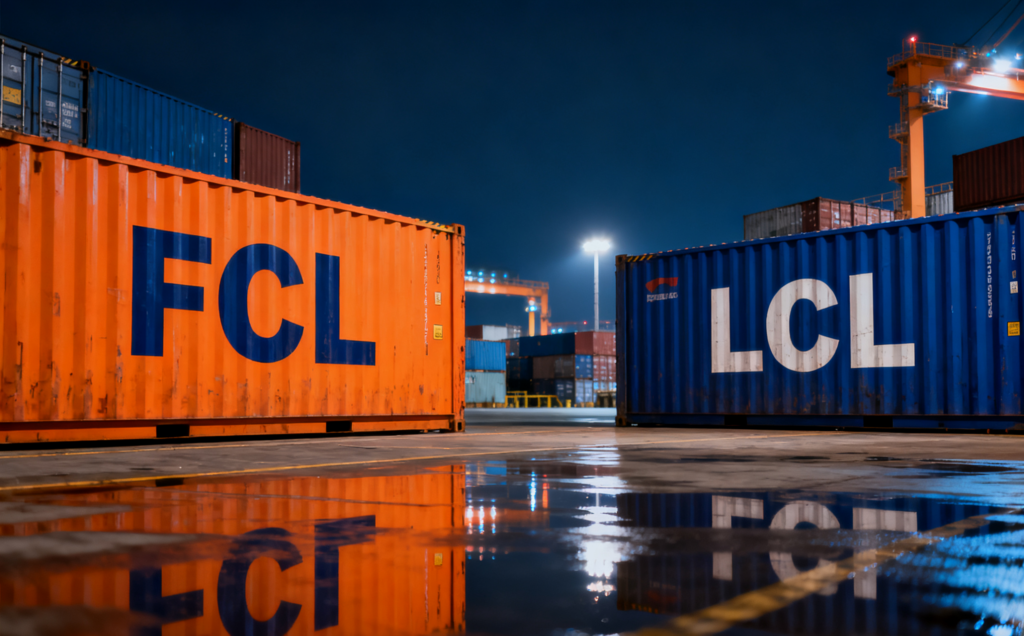
Choosing between Full Container Load (FCL) and Less than Container Load (LCL) can have a noticeable impact on sea freight transit time. While both options are widely used in international trade, the right choice depends on shipment volume, budget, and delivery requirements.
FCL means one shipper uses the entire container. Since the container is loaded only once and delivered directly to the consignee, there is less handling throughout the journey. As a result, FCL shipments are generally faster and carry a lower risk of cargo damage.
LCL, on the other hand, combines shipments from multiple suppliers into one container. Before departure, the cargo must be consolidated at the origin warehouse. After arrival, it must be separated and distributed to different consignees. Consequently, LCL usually requires several additional days compared to FCL.
| Shipping Method | Average Transit Time | Best For | Cost |
|---|---|---|---|
| FCL | Faster and more predictable | Large-volume shipments | Lower cost per unit |
| LCL | 3–7 days longer on average | Small shipments | Lower total shipping cost |
| Express Sea Freight | Faster than standard sea freight | Time-sensitive cargo | Higher freight cost |
For businesses shipping regularly, FCL is often the preferred option because it offers greater schedule reliability. However, LCL remains an economical solution for companies with smaller cargo volumes.
How Does Sea Freight Transit Time Impact Your Supply Chain?
Using reliable China import and export logistics services allows businesses to provide customers with more accurate delivery estimates.
A good forwarder provides clear, itemized quotes with no hidden fees.
Leaders in the industry offer sea, air, rail, and trucking solutions in one seamless experience.
Why Choose Professional China Shipping Hub Services?
Managing international shipments requires coordination between suppliers, shipping lines, customs authorities, ports, trucking companies, and warehouses. An experienced logistics partner simplifies this complex process and helps businesses improve shipping efficiency.
Professional China Shipping Hub services typically include:
- Ocean freight booking
- Cargo consolidation
- Container loading
- Export documentation
- Customs clearance from China
- Import customs coordination
- Inland transportation
- Shipment tracking
- Cargo insurance
- Warehouse solutions
Additionally, experienced logistics providers compare China freight rates, recommend suitable carriers, and help customers balance shipping costs from China with delivery speed.
Whether you need China to USA freight services, shipments to Europe, Australia, or the Middle East, working with a professional logistics company reduces operational risks and improves supply chain visibility.
Looking for a shipping quote?
📩 Need reliable support for your next shipment? Our logistics specialists provide customized China international shipping solutions, competitive freight quotations, and dependable sea freight transit time estimates for businesses of all sizes. Contact us today for expert advice and a tailored shipping plan that meets your delivery schedule and budget.
Frequently Asked Questions (FAQ)
What is the average sea freight transit time from China?
The average sea freight transit time ranges from 14 to 40 days depending on the destination, shipping route, carrier schedule, weather conditions, and customs clearance procedures. Door-to-door deliveries may require additional time for inland transportation and warehouse handling.
Why do sea freight transit times vary?
Transit times vary because of factors such as departure and destination ports, vessel schedules, port congestion, customs inspections, weather conditions, and whether the shipment uses a direct route or transshipment service.
Is FCL faster than LCL shipping?
Yes. FCL shipments generally move faster because they do not require cargo consolidation before departure or deconsolidation after arrival. LCL shipments usually add three to seven extra days to the overall shipping process.
How can I reduce sea freight delays?
Book shipping space early, prepare accurate shipping documents, choose direct shipping routes whenever possible, and work with an experienced freight forwarding from China provider that actively monitors vessel schedules and cargo movements.
Does customs clearance affect sea freight transit time?
Absolutely. Missing or incorrect documents can delay shipments significantly. Efficient customs clearance from China and prompt import clearance help ensure cargo is released quickly after arriving at the destination port.