
Choosing the right China export shipping company is one of the most important decisions for businesses involved in international trade. Whether you import products in large volumes or ship regular orders worldwide, a professional logistics partner can help reduce shipping costs, improve delivery efficiency, and simplify customs procedures. This guide explains how export shipping works, what services are available, and how businesses can select the best logistics solutions for their supply chain.
What Does a China Export Shipping Company Do?
A China export shipping company manages the transportation of cargo from suppliers in China to destinations around the world. Instead of handling multiple logistics providers separately, businesses can rely on one freight partner to coordinate every stage of the shipment.
Typical services include:
- Cargo collection from factories
- Warehouse storage and consolidation
- Export documentation
- Customs clearance from China
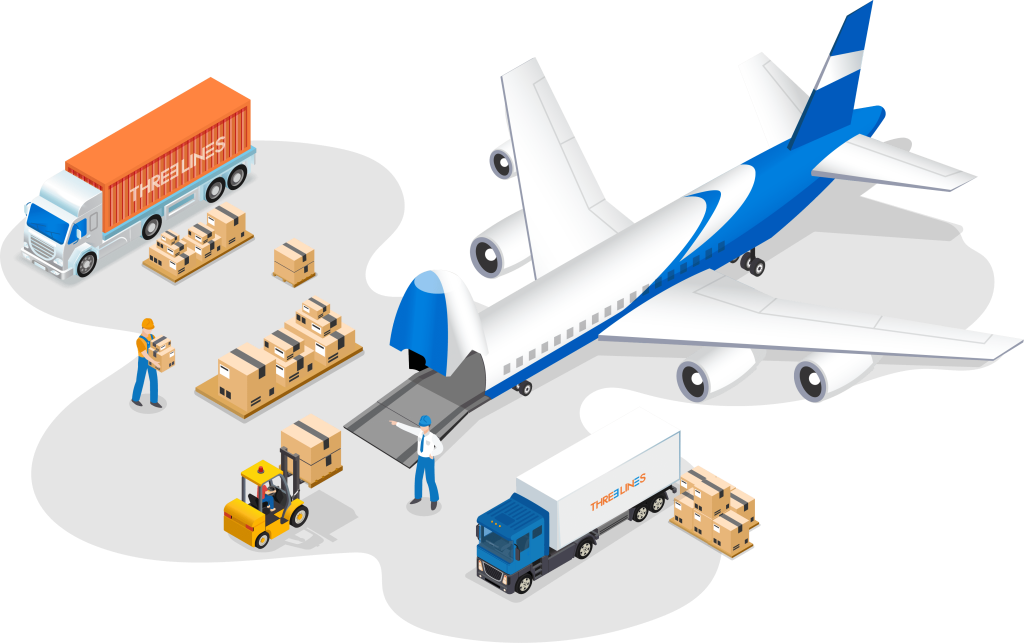
- Sea freight and air freight booking
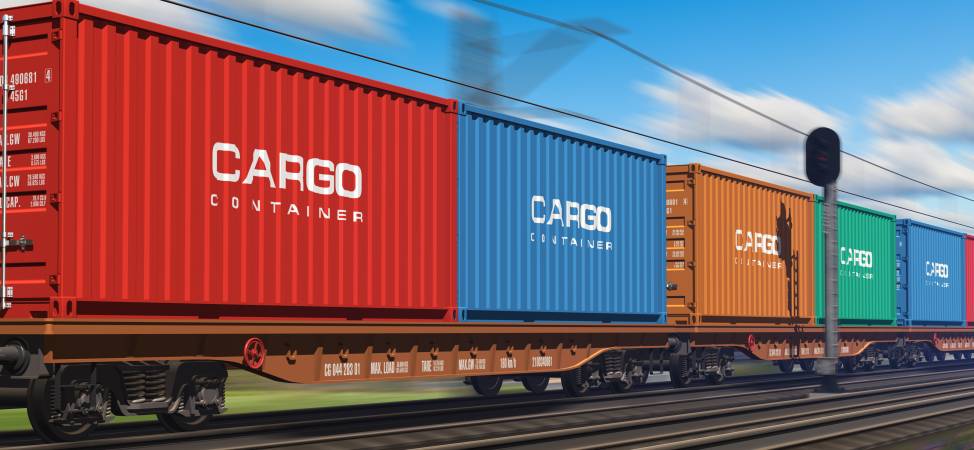
- Rail freight arrangements
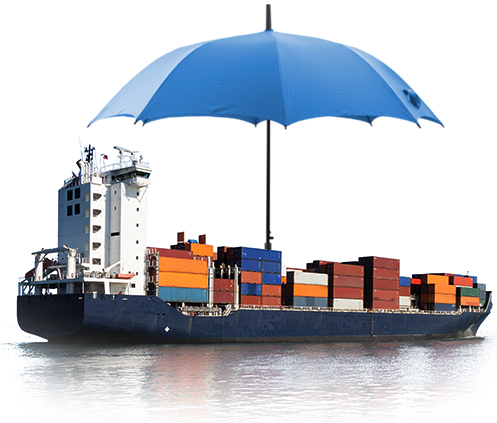
- Cargo insurance
- Door-to-door delivery
- Shipment tracking
Moreover, experienced freight forwarders communicate with shipping lines, airlines, customs authorities, and local delivery partners to ensure shipments move efficiently.
As a result, importers can focus on growing their business rather than managing complex logistics operations.
Why Choose a China Export Shipping Company?
International shipping involves many moving parts, including documentation, transportation schedules, customs regulations, and final delivery. Therefore, working with a professional logistics company helps businesses reduce unnecessary risks.
Key advantages include:
- Competitive shipping costs from China
- Flexible transportation options
- Faster customs processing
- Professional cargo handling
- Better shipment visibility
- Reliable delivery schedules
- Global logistics network
- Dedicated customer support
Additionally, experienced logistics providers can recommend the most suitable shipping solution based on cargo size, destination, and urgency.
For businesses shipping regularly, this often leads to lower overall transportation costs and improved supply chain efficiency.
How Does a China Export Shipping Company Handle International Shipments?
Every shipment follows a structured logistics process. Although transportation methods vary, the overall workflow remains similar.
Step 1: Cargo Collection
Goods are collected from manufacturers or suppliers and transported to a warehouse or port.
Step 2: Cargo Inspection
Before export, cargo is inspected to confirm packaging, quantity, dimensions, and shipping marks.
Step 3: Export Documentation
The freight forwarder prepares the required export documents, including commercial invoices, packing lists, and customs declarations.
Step 4: Customs Clearance from China
Export customs procedures are completed before cargo leaves China. Accurate documentation helps reduce delays during inspection.
Step 5: International Transportation
Depending on customer requirements, cargo is shipped by:
- Sea freight
- Air freight
- Rail freight
- Multimodal transportation
Step 6: Destination Customs Clearance
After arrival, local customs authorities inspect the shipment before releasing it for delivery.
Step 7: Final Delivery
Finally, cargo is transported to warehouses, distribution centers, retail stores, or customer facilities.
Meanwhile, shipment tracking systems provide regular updates throughout the transportation process.
Which Shipping Method Is Best for Your Business?
Choosing the right shipping method depends on delivery deadlines, cargo volume, and budget. Each option offers different advantages.
| Shipping Method | Transit Time | Cost | Best For |
|---|---|---|---|
| Sea Freight | 18–40 days | Low | Large shipments |
| Air Freight | 3–7 days | High | Urgent cargo |
| Rail Freight | 15–25 days | Medium | Europe-bound cargo |
| Express Courier | 2–5 days | Highest | Small parcels and samples |
Sea freight remains the most economical solution for bulk cargo. However, businesses often choose air freight when delivery speed is critical.
Rail freight has also become an increasingly popular option for shipments between China and Europe because it balances transit time and transportation cost.
Estimated Transit Times for Popular Shipping Routes
The following transit times are typical for shipments departing from China. Delivery schedules vary depending on the destination, shipping method, customs clearance, carrier availability, and local transportation. These estimates can help businesses plan inventory and improve supply chain efficiency.
| Route | Sea Freight | Air Freight |
|---|---|---|
| China to North America | 18–35 days | 3–6 days |
| China to South America | 30–45 days | 5–8 days |
| China to Europe | 25–35 days | 3–5 days |
| China to Southeast Asia | 5–10 days | 1–3 days |
| China to the Middle East | 18–28 days | 3–5 days |
| China to India | 10–18 days | 2–4 days |
| China to Oceania | 16–24 days | 2–4 days |
| China to Africa | 25–40 days | 4–7 days |
The transit times above are estimated for cargo exported from China. Actual delivery times may vary due to port congestion, customs inspections, weather conditions, carrier schedules, and final inland transportation.
What Services Does a China Export Shipping Company Offer?
Modern logistics providers offer much more than freight transportation. Instead, they provide comprehensive China international shipping solutions designed to support global supply chains.
Common services include:
Sea Freight
Sea freight is suitable for both Full Container Load (FCL) and Less than Container Load (LCL) shipments. It offers competitive China freight rates and is widely used for large-volume exports.
Air Freight
Air freight provides fast delivery for urgent shipments or high-value cargo. Although shipping costs from China are higher by air, businesses often reduce inventory shortages and improve customer satisfaction.
Freight Forwarding from China
Professional freight forwarding from China includes shipment planning, carrier selection, documentation, and transportation management from origin to destination.
Warehousing and Cargo Consolidation
Many exporters purchase goods from multiple suppliers. Warehouse consolidation combines shipments into one container, helping reduce freight costs.
Customs Clearance Support
Customs clearance from China requires accurate documentation and compliance with export regulations. Experienced logistics providers help minimize delays and avoid unnecessary penalties.
Door-to-Door Logistics
Door-to-door shipping integrates pickup, transportation, customs clearance, and final delivery into one complete logistics service.
What Factors Affect Shipping Costs from China?
Shipping costs vary throughout the year due to market demand and operational conditions. Therefore, businesses should understand the main pricing factors before requesting quotations.
The most important cost factors include:
- Shipping method
- Cargo dimensions
- Gross weight
- Chargeable weight
- Container type
- Destination country
- Fuel surcharges
- Seasonal demand
- Port congestion
- Customs inspection
- Inland transportation distance
For example, freight rates often increase before major shopping seasons because shipping capacity becomes limited. Additionally, oversized cargo usually requires special handling, which increases transportation expenses.
Businesses that plan shipments in advance can often secure more competitive freight rates while avoiding peak-season delays.
How to Choose the Right China Export Shipping Company
Not all logistics providers offer the same level of service. While competitive pricing is important, businesses should also evaluate experience, reliability, and customer support. Choosing the right China export shipping company can improve supply chain efficiency and reduce unexpected shipping issues.
Before making a decision, consider the following factors:
- Years of experience in international trade
- Global logistics network
- Competitive China freight rates
- Multiple shipping options
- Customs clearance expertise
- Shipment tracking system
- Transparent pricing
- Cargo insurance services
- Responsive customer support
- Stable partnerships with shipping lines and airlines
Additionally, ask potential logistics partners about recent shipping projects that are similar to your own. Their experience with your destination market can help avoid common transportation challenges.
Looking for a shipping quote?
📩 Whether you’re shipping a single container or managing regular exports, our team is ready to provide reliable China export shipping company services tailored to your business. Contact us today for a free consultation, competitive freight rates, and customized logistics solutions that help your cargo move safely and efficiently worldwide.
Frequently Asked Questions (FAQ)
What is a China export shipping company?
A China export shipping company specializes in arranging international transportation for goods exported from China. Services typically include freight forwarding, customs clearance, cargo consolidation, shipment tracking, and final delivery to overseas destinations.
What shipping methods are available from China?
Most logistics providers offer sea freight, air freight, rail freight, and express courier services. The best option depends on your cargo size, delivery schedule, and budget.
How are shipping costs from China calculated?
Shipping costs from China are based on factors such as shipment weight, cargo volume, transportation method, destination, fuel surcharges, and seasonal demand. Additional charges may include customs clearance, insurance, and inland delivery.
How long does it take to ship cargo from China?
Transit times vary by destination and shipping method. Air freight usually takes 3–7 days, while sea freight commonly requires 18–40 days. Customs processing and local delivery may affect the total shipping time.
Why should I use freight forwarding from China?
Professional freight forwarding from China simplifies international shipping by managing carrier bookings, export documentation, customs clearance, cargo transportation, and shipment tracking through a single logistics provider.