
China Freight Forwarder for Ecommerce Custom Clearance: 2026 Guide
Finding a reliable china freight forwarder for ecommerce custom clearance represents the most critical step for online sellers in 2026. Without professional guidance, your business might encounter severe border delays or unexpected tax penalties that erode your profit margins. This comprehensive guide explores how specialized logistics partners streamline your global supply chain while ensuring total compliance with evolving international trade regulations.

What is the Role of a China Freight Forwarder for Ecommerce Custom Clearance?
Specifically, a specialized forwarder manages the complex intersection between physical logistics and legal documentation. Moreover, they act as an intermediary between your Chinese suppliers and the customs authorities in your destination country.
Consequently, these experts ensure that every shipment complies with local laws while minimizing transit times. Furthermore, they handle the classification of goods using correct Harmonized System (HS) codes to prevent overpayment of duties.
Indeed, modern ecommerce requires a level of agility that traditional freight often lacks. Therefore, your logistics partner must understand the nuances of small-parcel delivery and bulk inventory replenishment simultaneously.
Additionally, they provide essential services like cargo consolidation, which allows multiple small orders to be shipped as a single large batch. This strategy significantly reduces individual shipping costs for growing online brands.
How Does Sea Freight Compare to Other Shipping Options?
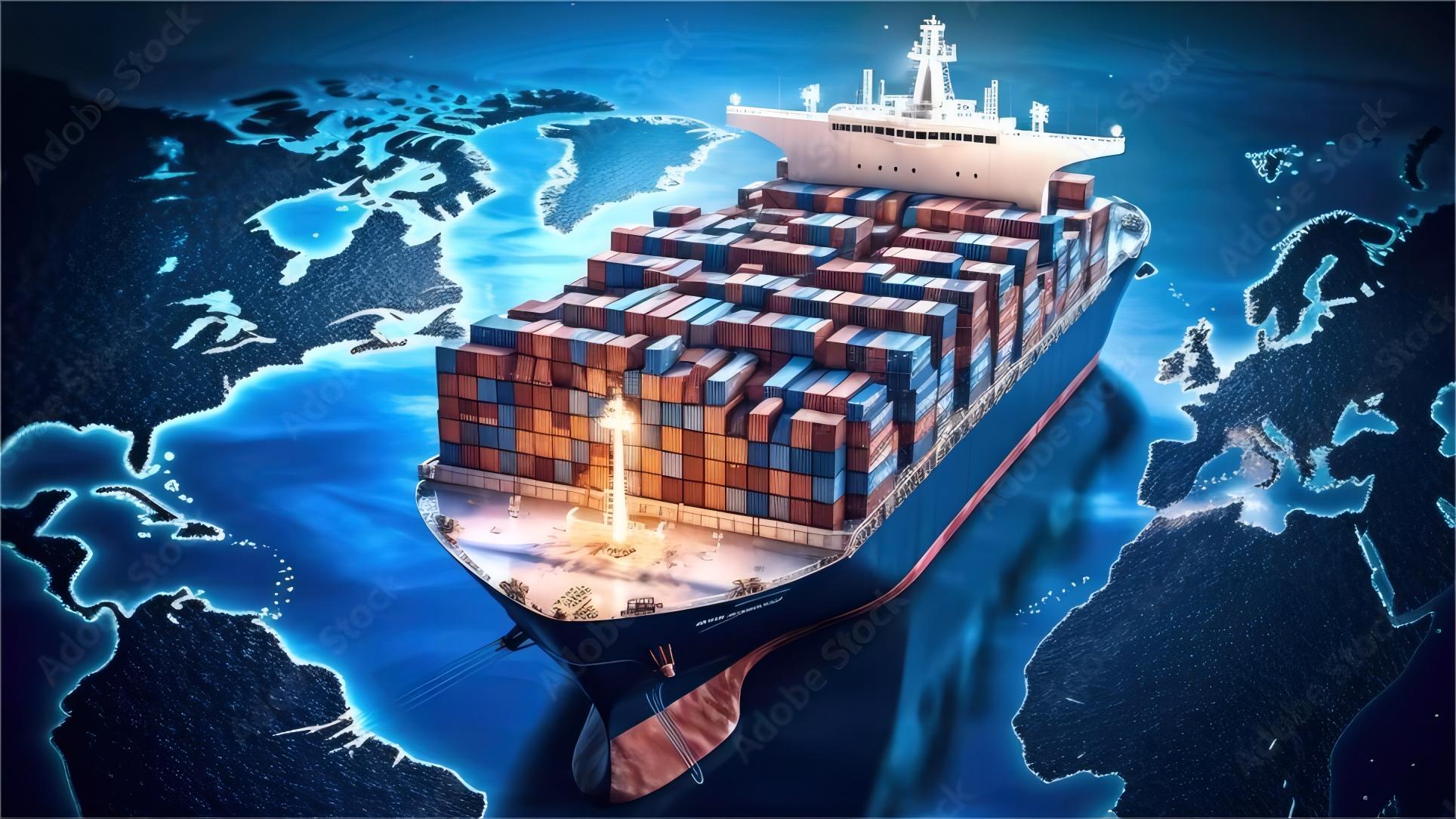
When evaluating transport modes, sea freight remains the most economical choice for high-volume ecommerce inventory. However, it requires careful planning due to its longer transit times compared to other methods.
Meanwhile, air transport offers speed but comes at a much higher price point per kilogram. Nevertheless, for high-value or seasonal products, the speed of air delivery often justifies the additional expense.
Accordingly, sellers must weigh the trade-offs between cost and speed to maintain a healthy cash flow. In contrast, rail freight provides a balanced middle ground for shipments destined for European markets.
Without a doubt, choosing the right method depends on your inventory turnover and budget constraints. To summarize, most successful sellers utilize a mix of methods based on the specific needs of their product catalog.
| Shipping Method | Cost Range | Transit Time | Best For |
|---|---|---|---|
| Sea Freight (FCL) | $1,500 – $4,500 | 18 – 40 Days | Bulk Inventory |
| Air Freight | $4.50 – $9.00/kg | 3 – 7 Days | Urgent Stock |
| Rail Freight | $80 – $150/CBM | 20 – 25 Days | Europe Routes |
| Express | $6.00 – $12.00/kg | 2 – 5 Days | Samples |
Alternative Shipping Strategies for 2026
In the current market, smart sellers are adopting hybrid solutions like sea-air combinations to optimize their logistics. For instance, shipping by sea to a hub like Dubai and then by air to Europe can save both time and money.
Furthermore, transshipment through third countries is becoming a popular way to navigate specific trade barriers. However, this requires a highly experienced customs brokerage team to manage the complex documentation.
Another effective strategy involves utilizing bonded warehouses in China to store goods before final dispatch. Consequently, this allows for rapid fulfillment once an order is placed on your ecommerce platform.
Specifically, you should consider the following alternative approaches for your 2026 operations: Direct injection for small parcels, LCL consolidation for mid-sized shipments, and multi-modal transport for inland destinations.
Why is Customs Brokerage Essential for Ecommerce Sellers?
Customs clearance involves much more than just paying taxes; it requires precise data entry and legal compliance. Therefore, an expert broker ensures that your commercial invoices and packing lists are error-free.
Moreover, they help you navigate the complexities of VAT and GST in different regions. For example, selling in Europe requires a deep understanding of IOSS and local tax registration requirements.
Consequently, failing to manage these details can lead to your goods being seized or returned to China at your expense. Meanwhile, a professional forwarder will handle all the heavy lifting, allowing you to focus on marketing and sales.
Indeed, the 2026 regulatory environment is stricter than ever regarding product safety and environmental standards. Accordingly, your broker will verify that your products meet all necessary certifications before they even leave the factory.
Shipping to North America: A Strategic Overview
For those shipping from China to North America, understanding the difference between West Coast and East Coast ports is vital. Specifically, West Coast ports like Long Beach offer faster transit times but may face more frequent congestion.
In contrast, East Coast ports require longer sea voyages but might be closer to your final distribution centers. Furthermore, utilizing door to door services can simplify the entire process by including last-mile delivery.
Consequently, many sellers prefer DDP (Delivered Duty Paid) terms to ensure their customers do not face unexpected charges upon delivery. This approach is particularly effective for high-volume Amazon FBA sellers who need predictable costs.
| Route | 20GP Container | 40HQ Container | Transit Time |
|---|---|---|---|
| China to USA West | $1,600 – $2,300 | $2,900 – $3,900 | 14 – 18 Days |
| China to USA East | $2,600 – $3,600 | $4,600 – $6,100 | 30 – 35 Days |
| China to Canada | $1,800 – $2,500 | $3,200 – $4,500 | 20 – 25 Days |

Case Study 1: Electronics Shipment to Los Angeles
Route: Shenzhen, China to Los Angeles, USA. Cargo: Consumer electronics, 6 CBM, 1200 kg. Shipping Method: LCL (Less than Container Load) via major carrier.
Cost Breakdown: Ocean freight cost $1,150. Origin charges including THC and documentation totaled $280. Destination charges and customs clearance cost $450. Estimated duties were $900.
Timeline: Booking to loading took 4 days. Sea transit lasted 16 days. Customs clearance was completed in 2 days. Total door-to-door time reached 25 days.
Key Insight: By using a specialized ecommerce forwarder, the seller avoided a potential 10-day delay caused by incorrect battery certifications. Based on Q1 2026 market rates, this was a highly cost-effective shipment.
Case Study 2: Apparel to Germany via Rail
Route: Ningbo, China to Hamburg, Germany. Cargo: Organic cotton apparel, 12 CBM. Shipping Method: Rail Freight via the Silk Road route.
Cost Breakdown: Rail freight cost $1,950. Origin and handling fees were $320. Customs and VAT processing cost $550. Total landed cost was approximately $2,820.
Timeline: Loading and rail transit took 22 days. Customs clearance in Germany took 3 days. Total delivery time was 30 days from the factory gate.
Key Insight: Rail freight provided a 15-day advantage over sea freight at only 30 percent of the cost of air freight. This strategy allowed the seller to restock before a major seasonal sale in Europe.
Case Study 3: Furniture to Sydney via FCL
Route: Shanghai, China to Sydney, Australia. Cargo: Flat-pack furniture, 20GP Full Container. Shipping Method: Direct sea freight service.
Cost Breakdown: Ocean freight for the 20GP was $950. Port charges and documentation were $400. Customs clearance and quarantine inspection cost $600. Total cost reached $1,950.
Timeline: Transit from Shanghai to Sydney took 14 days. Customs and quarantine clearance were finished in 4 days. Total door-to-door time was 22 days.
Key Insight: Shipping to Australia requires strict adherence to wood packaging regulations. The forwarder ensured all pallets were properly treated, avoiding expensive fumigation delays at the port.
Optimizing Your Amazon FBA Logistics
Specifically, shipping directly to Amazon FBA centers requires a forwarder who understands Amazon’s strict labeling and palletization requirements. If your shipment fails to meet these standards, it may be rejected at the warehouse.
Consequently, many sellers use a ‘prep and ship’ service where the forwarder inspects and relabels goods in China or at a local warehouse. This extra step significantly reduces the risk of inventory being stranded.
Moreover, choosing the right shipping terms is essential for FBA. Most sellers opt for DDP because Amazon will not act as the Importer of Record or pay duties on your behalf.
Indeed, using an integrated logistics provider helps you maintain the high IPI (Inventory Performance Index) scores necessary for success on the platform. Therefore, your forwarder should offer real-time tracking and clear communication throughout the process.
Which Option Should You Choose for Your Business?
Ultimately, your choice depends on your specific business priorities. If your primary concern is the lowest possible cost, sea freight is the clear winner for large volumes.
However, if you are launching a new product and need to test the market quickly, air freight or express services are more appropriate. These faster methods allow for rapid iteration based on customer feedback.
Furthermore, consider the volume thresholds for switching methods. For shipments under 1 CBM, express courier is usually cheaper than sea freight. Once you exceed 2-3 CBM, LCL sea freight becomes the more economical choice.
Without a doubt, a professional forwarder will help you analyze these factors to create a custom logistics plan. Note: Freight rates are subject to change based on fuel costs, carrier capacity, and seasonal demand. Contact us for a current quote tailored to your specific shipment.
Mastering Ecommerce Logistics in 2026
In summary, partnering with a knowledgeable China freight forwarder for ecommerce custom clearance is a strategic investment in your brand’s future. By understanding the various shipping methods, from sea and air to rail, you can optimize both your budget and your delivery times.
Furthermore, the complexities of customs brokerage and international tax compliance require professional oversight to avoid costly mistakes. As the ecommerce landscape continues to evolve in 2026, staying informed about logistics trends and maintaining a flexible supply chain will be your greatest competitive advantages.
Ultimately, success in global trade comes down to reliability and efficiency. We encourage you to leverage the expertise of a dedicated logistics partner to navigate the challenges of international shipping with confidence.
Need a tailored shipping solution?
Ready to streamline your global logistics? Contact China Shipping Hub today for a personalized quote on your next shipment. Our team of experts will ensure your cargo moves efficiently from the factory to your customer’s door. Visit our website to learn more about how a China freight forwarder for ecommerce custom clearance can grow your business in 2026. Visit: https://chinashippinghub.com/contact/