
China Export Shipping Company Commercial Cargo Solutions for 2026
Navigating the complexities of global trade requires a sophisticated approach to logistics and supply chain management. Consequently, businesses often seek a specialized China export shipping company commercial cargo partner to streamline their operations. In 2026, the demand for reliable freight services has grown significantly as international markets stabilize. This article explores the essential strategies for moving goods efficiently from Chinese manufacturing hubs to global destinations. We will provide detailed insights into pricing, transit times, and compliance requirements for the modern importer.

Why You Need a China Export Shipping Company Commercial Cargo Partner
Moreover, selecting the right logistics provider allows you to mitigate risks associated with international trade. These experts understand the nuances of local regulations and port operations across mainland China. Consequently, your business can avoid costly delays that often plague inexperienced importers who manage logistics independently. Furthermore, a professional freight forwarder provides real-time tracking and updates for peace of mind.
Specifically, commercial cargo requires specialized handling to ensure that goods arrive in pristine condition. Professional companies offer container loading supervision and quality inspections at the source. Indeed, these services prevent the shipment of defective products before they leave the factory. Additionally, having a dedicated agent in China helps in negotiating better rates with major carriers like COSCO and Maersk.
Notably, the logistics landscape in 2026 demands high levels of transparency and digital integration. Modern shipping firms utilize advanced software to manage documentation and schedule pickups efficiently. Therefore, partnering with a tech-forward company ensures that your supply chain remains competitive. Meanwhile, you can focus on core business activities while the logistics experts handle the heavy lifting.
Resultantly, the total cost of ownership for your products decreases when you optimize the shipping process. Hidden fees and unexpected port charges are minimized through proactive planning and expert advice. Accordingly, a reliable partner acts as an extension of your own procurement team. Without a doubt, this collaboration is essential for long-term success in the global marketplace.
Comprehensive Sea Freight Solutions for Bulk Shipments
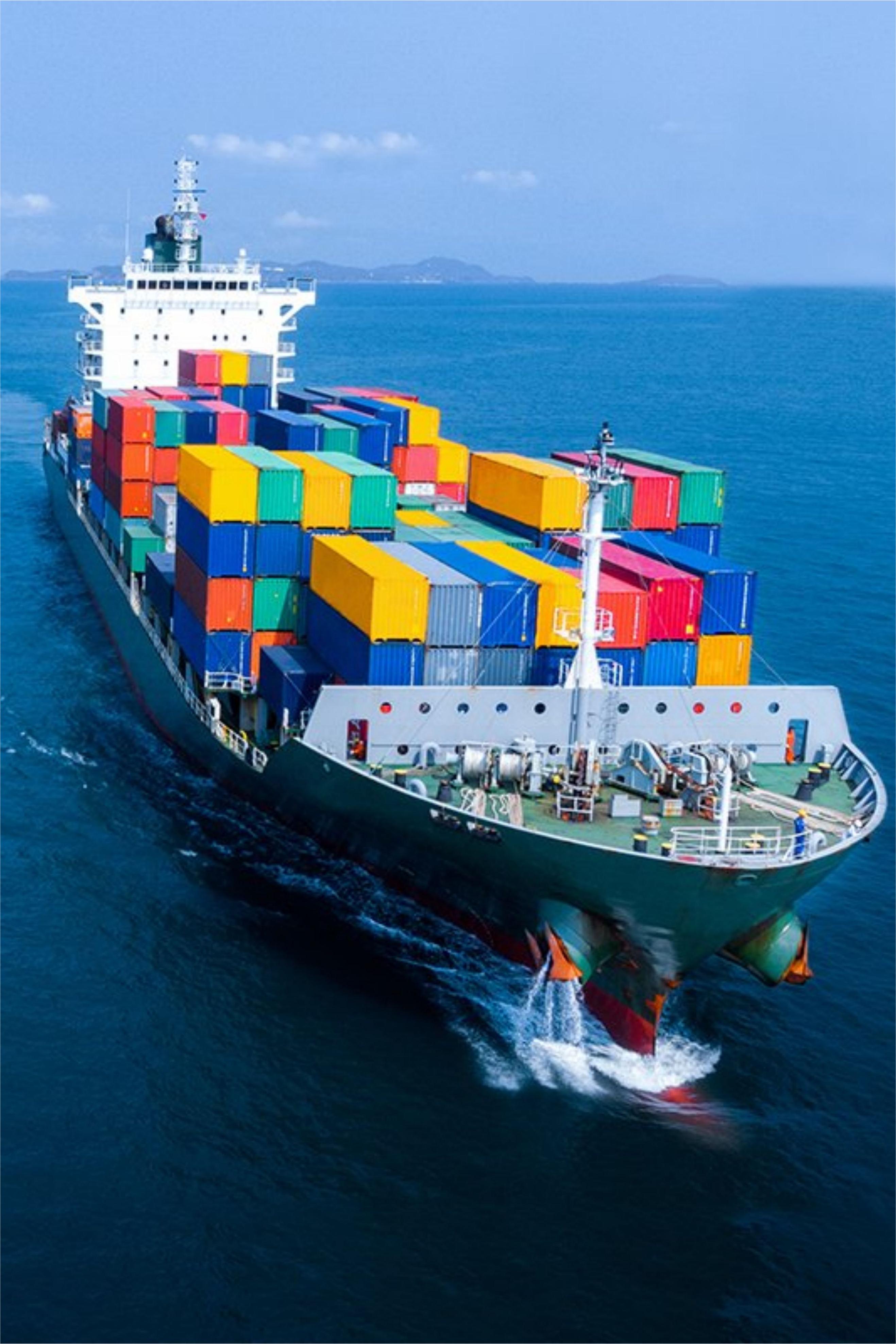
Typically, sea freight remains the most cost-effective method for transporting large volumes of commercial cargo. For shipments exceeding 15 cubic meters, Full Container Load (FCL) options provide the best value and security. However, smaller shipments can benefit from Less than Container Load (LCL) consolidation services. This flexibility allows businesses of all sizes to participate in international trade without excessive overhead.
Furthermore, ocean transport technology has improved significantly, leading to more predictable transit times in 2026. Carriers now offer premium services that guarantee space and equipment even during peak seasons. Consequently, importers can plan their inventory cycles with greater precision than in previous years. In addition, many ports have automated their terminal operations to speed up the unloading process.
As a result, sea freight is ideal for heavy machinery, furniture, and high-volume consumer goods. While it is slower than air transport, the cost savings often justify the longer lead time. Moreover, sea freight has a lower carbon footprint per ton-kilometer compared to air transport. This makes it a preferred choice for companies aiming to meet sustainability goals in 2026.
| Route | 20GP Container | 40HQ Container | Transit Time |
|---|---|---|---|
| China to USA West Coast | $1,650 – $2,300 | $2,700 – $3,600 | 14-18 Days |
| China to Europe | $1,850 – $2,600 | $3,100 – $4,300 | 30-35 Days |
| China to Australia | $850 – $1,300 | $1,500 – $2,100 | 12-18 Days |
| China to UK | $2,100 – $2,900 | $3,600 – $4,600 | 32-38 Days |
Fast-Track Air Freight for Time-Sensitive Cargo
In contrast, air freight offers the fastest transit times for urgent commercial shipments. When your business needs to restock a popular item or deliver a critical component, air transport is the logical choice. Although the costs are higher, the speed of delivery can prevent lost sales and maintain customer satisfaction. Most air shipments from China reach their destination within three to seven business days.
Additionally, air cargo provides a higher level of security for high-value items such as electronics or pharmaceuticals. The reduced handling and shorter time in transit minimize the risk of damage or theft. Consequently, insurance premiums for air freight are often lower than those for sea freight. Furthermore, the simplified documentation process for air shipments can expedite customs clearance at the destination airport.
Nevertheless, businesses must carefully weigh the cost against the urgency of the shipment. Air freight rates are calculated based on either actual weight or volumetric weight, whichever is greater. Therefore, optimizing your packaging is crucial to avoid paying for empty space. To summarize, air freight is a strategic tool for managing high-value inventory and meeting tight deadlines.
Rail Freight: The Middle Ground for Eurasian Routes
Specifically for shipments to Europe, rail freight has emerged as a viable alternative to both sea and air. The Silk Road rail link connects major Chinese hubs like Zhengzhou and Xi’an directly to European terminals. This method is approximately twice as fast as sea freight and significantly cheaper than air freight. Consequently, it offers a balanced solution for many commercial cargo types.
Moreover, rail transport is less affected by weather conditions compared to sea and air routes. This stability ensures a more consistent delivery schedule throughout the year. In 2026, the rail infrastructure has expanded to include more destination cities across Central and Western Europe. Additionally, rail freight is increasingly used for automotive parts and specialized industrial equipment.
However, it is important to note that rail freight is not applicable for routes to North America or Australia. For Eurasian trade, it provides an excellent hybrid option that combines efficiency with cost-effectiveness. In conclusion, rail freight should be considered by any business looking to optimize its European supply chain.
Navigating Customs Brokerage and Compliance
Undoubtedly, managing customs brokerage is one of the most challenging aspects of international shipping. Every country has unique regulations, tariff codes, and documentation requirements that must be strictly followed. Failure to comply can result in heavy fines, shipment seizures, or prolonged delays at the border. Therefore, working with an experienced broker is essential for seamless cargo clearance.
Furthermore, the Harmonized System (HS) codes must be accurately assigned to every product in your shipment. These codes determine the rate of duty and tax that will be applied to your goods. Consequently, misclassification is a common error that can lead to significant financial penalties. An expert broker will verify your documentation to ensure full compliance with both Chinese export laws and destination import laws.
Indeed, digital customs platforms in 2026 have streamlined the filing process, but expertise is still required to handle exceptions. Brokers manage the payment of duties and taxes on your behalf to prevent cargo holds. Additionally, they can advise on trade agreements that may reduce your overall tax burden. Ultimately, professional customs management protects your business from legal and financial risks.
Shipping Commercial Cargo to North America and Europe
When exporting to North America, businesses must navigate complex port systems and inland transportation networks. Major gateways like Los Angeles and New York handle massive volumes of Chinese goods daily. Consequently, coordinating the final mile delivery from the port to your warehouse is a critical step in the process. Many importers choose door-to-door services to simplify this logistical challenge.
Similarly, shipping to Europe involves multiple entry points such as Rotterdam, Hamburg, and Antwerp. Each of these ports offers extensive rail and road connections to the rest of the continent. Moreover, understanding the Value Added Tax (VAT) regulations within the European Union is vital for commercial success. Importers must ensure their paperwork is perfectly aligned with the destination country’s requirements.
Additionally, seasonal fluctuations can impact shipping capacity and rates for both regions. For instance, the months leading up to the holiday season typically see a spike in demand and pricing. Therefore, booking your shipments well in advance is highly recommended to secure space. By planning ahead, you can maintain a steady flow of goods and avoid the stress of peak-season logistics.

How Does Sea Freight Compare to Other Shipping Options?
While sea freight is the traditional choice, it is important to compare it objectively against other methods. The following table provides a clear breakdown of the primary shipping options available in 2026. This comparison helps you determine which method aligns best with your budget and timeline requirements.
Note: Freight rates are subject to change based on fuel costs, carrier capacity, and seasonal demand. Contact us for a current quote tailored to your specific shipment.
| Shipping Method | Cost Range | Transit Time | Best For |
|---|---|---|---|
| Sea Freight (FCL) | Low | 18-40 Days | Bulk / Heavy Goods |
| Air Freight | High | 3-7 Days | Urgent / High Value |
| Rail Freight | Medium | 15-22 Days | European Land Routes |
| Express Service | Very High | 2-5 Days | Small Samples / Docs |
Realistic Case Studies: Commercial Cargo Success Stories
To illustrate the practical application of these strategies, we have compiled two recent case studies. These examples reflect the current market conditions of early 2026 and highlight the importance of expert logistics management.
+———————————————————+ | Case Study 1: Electronics from Shenzhen to Los Angeles | +———————————————————+ | Route: Shenzhen, China to Los Angeles, USA | | Cargo: Consumer Electronics, 65 CBM, 15,000 kg | | Container: 40HQ Full Container | | | | Shipping Details: | | – Carrier: Major Trans-Pacific Carrier | | – Port of Loading: Shenzhen | | – Port of Discharge: Los Angeles | | – Route Type: Direct | | | | Cost Breakdown: | | – Ocean Freight: $3,200 | | – Origin Charges: $450 | | – Destination Charges: $600 | | – Total Landed Cost: $4,250 | | | | Timeline: | | – Total Door-to-Door: 22 Days | | Key Insight: Direct routing saved 5 days of transit. | +———————————————————+
+———————————————————+ | Case Study 2: Industrial Parts from Shanghai to Hamburg | +———————————————————+ | Route: Shanghai, China to Hamburg, Germany | | Cargo: Steel Components, 22 CBM, 8,000 kg | | Container: 20GP Full Container | | | | Shipping Details: | | – Carrier: Major Eurasian Carrier | | – Port of Loading: Shanghai | | – Port of Discharge: Hamburg | | – Route Type: Transshipment via Singapore | | | | Cost Breakdown: | | – Ocean Freight: $2,100 | | – Origin Charges: $380 | | – Destination Charges: $550 | | – Total Landed Cost: $3,030 | | | | Timeline: | | – Total Door-to-Door: 38 Days | | Key Insight: Transshipment offered a 15% cost saving. | +———————————————————+
Which Shipping Option Should You Choose?
Choosing the right method depends on your specific business priorities and cargo characteristics. If your primary goal is cost reduction and you have flexible timelines, sea freight is the undisputed winner. However, for high-value goods where the cost of capital is high, air freight may actually be more economical in the long run. Rail freight remains the strategic choice for European businesses seeking a balance of speed and price.
Furthermore, consider the nature of your cargo before making a final decision. Perishable goods or seasonal fashion items often require the speed of air or express services. Conversely, raw materials and industrial equipment are perfectly suited for the slower, more stable sea freight routes. Always evaluate the total landed cost, including insurance and storage, rather than just the freight rate.
Additionally, hybrid solutions can provide a competitive edge in certain scenarios. For example, sea-air combinations allow you to ship by sea to a hub like Dubai and then by air to the final destination. This approach can save significant money compared to pure air freight while still being faster than sea. Consult with your logistics partner to explore these creative strategies.
Mastering Your Global Logistics Strategy
In summary, successfully managing a China export shipping company commercial cargo operation requires careful planning and expert execution. By understanding the differences between sea, air, and rail freight, you can make informed decisions that benefit your bottom line. Moreover, prioritizing customs compliance and documentation will prevent costly delays and legal issues.
Ultimately, the right logistics partner acts as a catalyst for your business growth in the international market. As we move through 2026, staying adaptable and utilizing modern shipping technologies will be key to maintaining a competitive edge. We encourage you to apply these insights to your supply chain for improved efficiency and reliability.

Start Your Shipment
Streamlining your international trade operations starts with choosing the right China export shipping company commercial cargo partner. Our team at China Shipping Hub is ready to provide you with tailored solutions and competitive 2026 rates. Contact us today to receive a comprehensive quote and optimize your global supply chain. Visit our website to learn more about our specialized services. Visit: https://chinashippinghub.com/
Request Quote