


China to Australia Shipping for Amazon Sellers: The Ultimate 2025 Logistics Guide
Managing logistics efficiently is a cornerstone of success for e-commerce entrepreneurs operating in the Southern Hemisphere. Consequently, China Shipping Hub provides tailored logistics solutions designed to streamline your supply chain and reduce overhead. Navigating china to australia shipping for amazon sellers requires a deep understanding of transit modes, Australian customs regulations, and Amazon FBA requirements. This guide offers a comprehensive roadmap to help you choose the most cost-effective and reliable shipping strategies for your business.
What Are the Best Methods for China to Australia Shipping for Amazon Sellers?
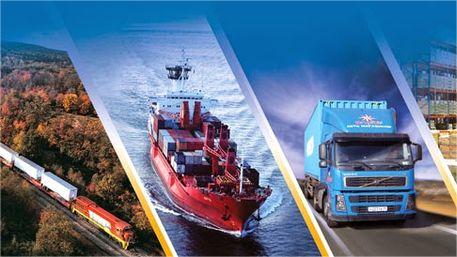
Selecting the right transportation mode is the first critical decision you will face. Generally, sellers choose between sea freight and air freight based on their budget and inventory deadlines.
Air freight offers the fastest transit times, typically delivering goods from Shenzhen or Shanghai to major Australian hubs in 3 to 7 days. However, this speed comes at a premium price, making it most suitable for high-value items or urgent restocks.
Sea freight remains the most popular choice for bulk inventory due to its significantly lower costs. Furthermore, it allows for both Full Container Load (FCL) and Less than Container Load (LCL) options, providing flexibility for businesses of all sizes.
Additionally, express courier services are available for very small parcels or samples. These services offer door-to-door convenience but are often the most expensive per kilogram.
Consequently, most successful sellers utilize a hybrid approach. They might use air freight for new product launches and sea freight for consistent, high-volume replenishment.
How Does Sea Freight Compare to Other Shipping Options?
Comparing different shipping methods requires analyzing cost, speed, and reliability. While sea freight is slower, the cost savings often outweigh the delay for planned inventory cycles.
Specifically, sea freight transit times from China to Australia are relatively short compared to European routes. Ships typically reach Sydney or Melbourne in 12 to 22 days, depending on the port of origin.
In contrast, air freight can cost five to ten times more than sea freight for the same volume. Therefore, sea freight is essential for maintaining healthy profit margins on bulky or heavy goods.
Moreover, sea freight has a much lower carbon footprint per ton-mile. This factor is increasingly important for brands focusing on sustainability and eco-friendly supply chains.
| Shipping Method | Cost Range | Transit Time | Best For |
|---|---|---|---|
| Air Freight | $5.50 – $9.00/kg | 3 – 7 Days | Urgent stock / High value |
| Sea FCL (20GP) | $900 – $1,400 | 14 – 22 Days | Bulk inventory / Max savings |
| Sea LCL | $160 – $280/CBM | 18 – 25 Days | Mid-size shipments |
| Express Courier | $7.00 – $12.00/kg | 2 – 5 Days | Samples / Small parcels |

Alternative Strategies for Australian Logistics
Innovative sellers often look beyond traditional methods to find a competitive edge. For instance, sea-air hybrid solutions can offer a middle ground between cost and speed.
Another alternative involves transshipment through Southeast Asian hubs. While this can sometimes lower costs, it usually increases the risk of delays and should be handled by experienced partners.
Direct shipping to third-party logistics (3PL) providers in Australia is another growing trend. This allows sellers to bypass Amazon’s storage limits while still maintaining fast local delivery.
Indeed, utilizing a 3PL for ‘drip-feeding’ inventory into Amazon FBA centers can significantly reduce long-term storage fees. Consequently, this strategy improves overall cash flow and inventory health.
Understanding Amazon FBA Australia Requirements
Shipping directly to an Amazon FBA warehouse in Australia requires strict adherence to their packaging and labeling standards. Failure to comply can lead to rejected shipments or additional processing fees.
Furthermore, each carton must have the correct FBA box ID labels and individual products must have scannable FNSKU barcodes. It is vital that your supplier in China understands these specific requirements before the goods leave the factory.
Additionally, Amazon Australia has specific pallet requirements for LCL and FCL shipments. They generally require Australian standard pallets (1165mm x 1165mm), which differ from the Euro or US standard sizes.
Therefore, working with a freight forwarder who specializes in Amazon FBA is highly recommended. They can ensure your shipment is prepped correctly and scheduled for a delivery appointment at the fulfillment center.
Cost Factors for China to Australia Shipping for Amazon Sellers
Calculating the total landed cost is essential for accurate pricing and profitability. This includes the factory price, freight charges, insurance, and Australian import duties.
Specifically, ocean freight rates fluctuate based on seasonal demand and fuel surcharges. During peak seasons like the lead-up to Christmas, rates typically increase by 15% to 25%.
Moreover, you must account for Goods and Services Tax (GST) in Australia. Most imported goods are subject to a 10% GST based on the value of the goods plus shipping and insurance.
Additionally, port charges and terminal handling fees at Australian ports like Sydney or Brisbane can add several hundred dollars to your total bill. Consequently, always request an all-in quote from your logistics provider.
| Port of Origin | Destination Port | Sea Transit (Days) | Frequency |
|---|---|---|---|
| Shenzhen (Yantian) | Sydney | 12 – 15 Days | Daily |
| Shanghai | Melbourne | 16 – 20 Days | Weekly |
| Ningbo | Brisbane | 14 – 18 Days | Bi-weekly |
| Qingdao | Fremantle | 20 – 25 Days | Weekly |
Navigating Customs and Import Taxes in Australia
Successfully clearing customs is often the most complex part of the journey. Professional customs brokerage services are invaluable for ensuring your paperwork is accurate and compliant.
Australian Border Force (ABF) requires a Commercial Invoice, Packing List, and a Bill of Lading for every shipment. Furthermore, products like electronics or toys may require specific safety certificates or permits.
Notably, Australia has a Free Trade Agreement (ChAFTA) with China. This agreement allows many products to be imported with zero or reduced customs duties, provided you have a valid Certificate of Origin.
However, the 10% GST still applies to most shipments. Therefore, ensuring your business is registered for GST in Australia can allow you to claim these costs back as input tax credits.
Real-World Case Studies for Amazon Sellers
Case Study 1: Small Electronics Restock. Origin: Shenzhen. Destination: Sydney FBA (BWU1). Method: Air Freight. Volume: 150kg. Cost: $1,150. Transit: 5 days. Key Insight: Rapid restock prevented a ‘stock-out’ during a flash sale.
Case Study 2: Bulk Home Decor. Origin: Ningbo. Destination: Melbourne 3PL. Method: Sea LCL. Volume: 6 CBM. Cost: $1,450 (including local delivery). Transit: 22 days. Key Insight: Using a 3PL saved $400 in Amazon storage fees over three months.
Case Study 3: Full Container Load. Origin: Shanghai. Destination: Brisbane FBA. Method: 20GP FCL. Volume: 28 CBM. Cost: $2,800 total landed. Transit: 17 days. Key Insight: FCL reduced the per-unit shipping cost by 40% compared to LCL.
Which Shipping Option Should You Choose?
Choosing between methods depends largely on your inventory volume and urgency. If your stock levels are critically low, air freight is the only viable option to maintain your Amazon ranking.
Conversely, if you are shipping more than 15 CBM, a 20GP Full Container Load becomes more economical than LCL. This is because FCL avoids the consolidation and de-consolidation fees associated with shared containers.
Furthermore, consider the nature of your cargo. Fragile items often fare better in FCL shipments because they are handled less frequently than LCL goods.
Ultimately, the best strategy involves planning your production cycles to allow for the longer lead times of sea freight. This approach maximizes your profit margins and ensures a stable supply chain.
Preparing Your Shipment for the Journey
Proper preparation reduces the risk of damage and delays. You should always use high-quality, double-walled corrugated boxes for your Amazon FBA inventory.
Additionally, choosing a reliable door to door service simplifies the process by handling every step from the factory floor to the Amazon warehouse.
Moreover, ensure that your pallets are heat-treated and bear the ISPM-15 stamp. Australia has very strict biosecurity laws, and non-compliant wood packaging can lead to immediate deportation of the cargo.
Consequently, investing time in the preparation phase pays dividends in the form of a smooth, hassle-free import experience.
Mastering Your Australian Amazon Logistics
In conclusion, mastering china to australia shipping for amazon sellers is a vital skill for any serious e-commerce business. By balancing air and sea freight, understanding FBA requirements, and navigating customs efficiently, you can build a resilient supply chain. Remember that freight rates are subject to change based on fuel costs, carrier capacity, and seasonal demand. Therefore, always stay informed about market trends and partner with a reliable freight forwarder to navigate the complexities of international trade. With the right strategy, the Australian market offers massive growth potential for your Amazon brand.
Ready to streamline your logistics?
Ready to optimize your supply chain and boost your Amazon profit margins? Contact our experts today for a customized quote on china to australia shipping for amazon sellers and experience seamless logistics. Send Inquiry Visit https://chinashippinghub.com/ to get started.
Request Quote