
Freight Forwarding Services China Near Me Mexico: Your Ultimate Logistics Guide
Finding reliable freight forwarding services china near me mexico is a critical step for businesses looking to capitalize on the growing trade corridor between Asia and Latin America. As global supply chains evolve, having a partner like China Shipping Hub ensures that your cargo moves efficiently across the Pacific Ocean. This guide explores how professional logistics management can streamline your operations, reduce costs, and navigate the complexities of Mexican customs regulations.

Why Choose Professional Freight Forwarding Services China Near Me Mexico?
Navigating the logistics landscape between China and Mexico requires more than just a carrier; it demands a strategic partner who understands both markets. Consequently, many businesses are searching for freight forwarding services china near me mexico to manage their complex supply chain needs locally. This proximity allows for better communication and a deeper understanding of regional logistics challenges.
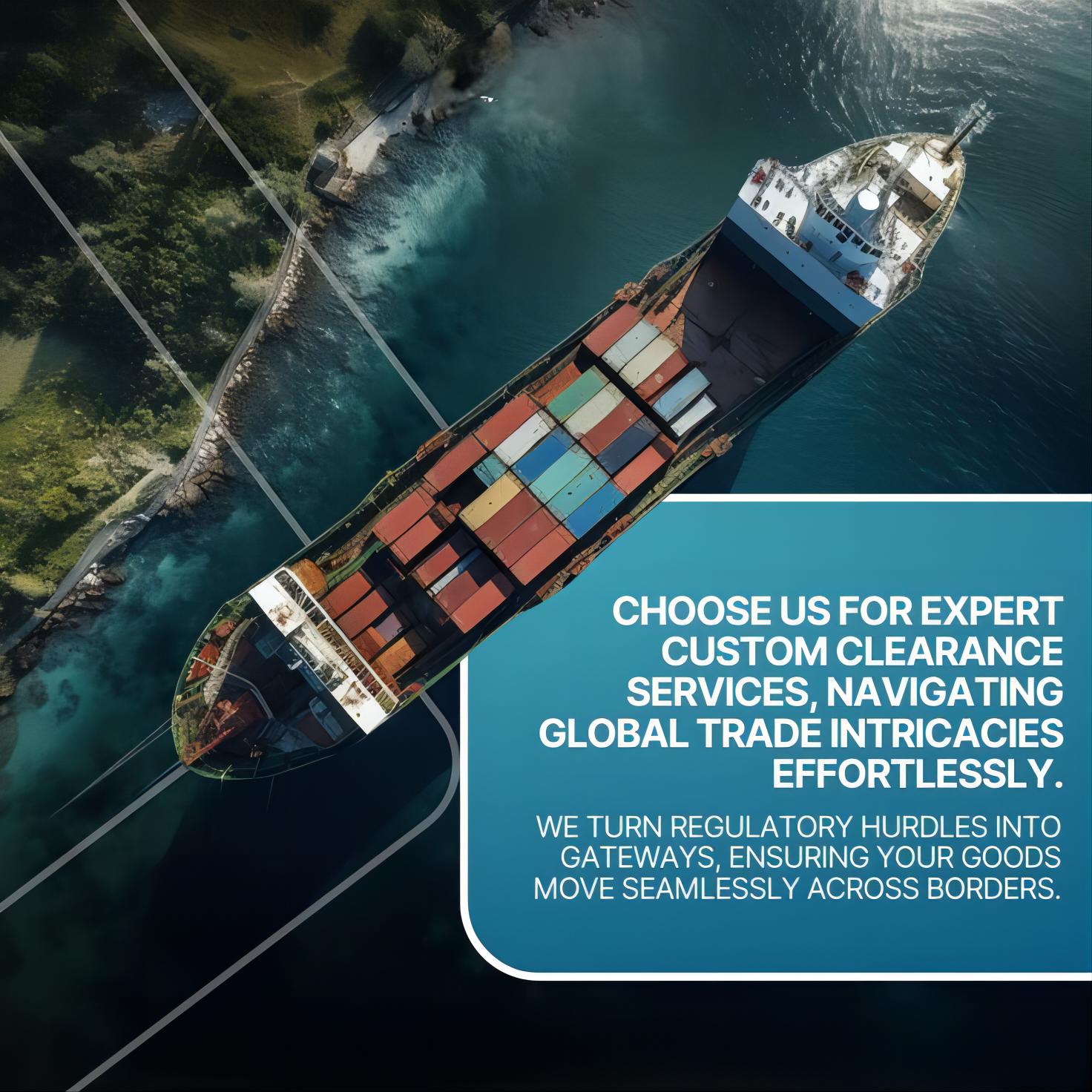
Moreover, a professional forwarder provides end-to-end visibility, which is essential for maintaining inventory levels and meeting customer demands. In addition, they offer expertise in handling various types of cargo, from electronics to heavy machinery. Therefore, outsourcing your logistics can lead to significant time savings and a reduction in operational errors.
Furthermore, the current market environment in 2025 suggests that shipping rates are stabilizing, yet they remain sensitive to fuel fluctuations and port congestion. By utilizing expert services, you can lock in competitive rates and secure space on vessels during peak seasons. Indeed, the right forwarder acts as an extension of your business, ensuring that every shipment is optimized for speed and cost.
How Does Sea Freight Compare to Other Shipping Options?
When evaluating freight forwarding services china near me mexico, the choice of transport mode is the most significant factor affecting your bottom line. For most high-volume importers, sea freight remains the most economical solution for transporting large quantities of goods. However, it is important to weigh this against the faster transit times offered by other methods.
In contrast, air freight provides a rapid alternative for high-value or time-sensitive shipments, though at a much higher price point. While sea freight may take several weeks, air transport can deliver goods within a matter of days. Consequently, businesses must decide whether the urgency of the shipment justifies the additional expense.
Additionally, hybrid solutions like sea-air combinations are gaining popularity as a middle-ground strategy. These services offer a balance between the cost-effectiveness of ocean transport and the speed of air delivery. To summarize, the best option depends on your specific budget, timeline, and the nature of the cargo being shipped.
| Shipping Method | Cost Range | Transit Time | Best For |
|---|---|---|---|
| Sea Freight (FCL) | $2,500 – $4,500 | 25-35 Days | Bulk Inventory |
| Sea Freight (LCL) | $80 – $150/CBM | 30-40 Days | Small Shipments |
| Air Freight | $5.50 – $9.50/kg | 3-7 Days | High Value Goods |
| Express Service | $9.00 – $15.00/kg | 2-5 Days | Samples/Urgent |
Strategic Shipping Alternatives and Decision Framework
Selecting the right strategy involves more than just picking a carrier; it requires an analysis of the entire route. For instance, shipping to the port of Manzanillo might be faster for cargo destined for Central Mexico, whereas Lazaro Cardenas could offer better rail connections. Therefore, your forwarder should provide multiple routing options based on the final destination.
If you are prioritizing budget, we recommend choosing Full Container Load (FCL) shipping whenever possible, as it offers the lowest cost per unit. On the other hand, if your volume does not fill a whole container, Less than Container Load (LCL) is a viable alternative. Nevertheless, be aware that LCL involves more handling and slightly longer transit times due to the consolidation process.
For urgent cargo, air freight is the clear winner, but for shipments that are not time-critical, sea freight is the industry standard. Market data suggests that as of early 2025, ocean freight rates have remained relatively steady compared to the volatility seen in previous years. Always consider the total landed cost, including duties and local drayage, before making a final decision.
Which Option Should You Choose?
Budget priority: Recommend Sea Freight (FCL) for maximum savings on large volumes. This method minimizes handling and reduces the risk of damage during transit.
Speed priority: Recommend Air Freight or Express Service for arrivals within a week. This is ideal for electronics, fashion, or seasonal items that need to hit the market quickly.
Cargo type considerations: Recommend specialized handling for hazardous materials or oversized equipment. Ensure your forwarder has experience with Mexican NOM certifications.
Volume thresholds: For shipments under 15 CBM, LCL is typically more economical than FCL. However, once you exceed 15 CBM, the price difference narrows significantly.
Customs Clearance and Regulatory Compliance in Mexico
One of the most challenging aspects of importing into Mexico is navigating the complex customs environment. Consequently, utilizing professional customs brokerage services is highly recommended to avoid costly delays and fines. Mexican customs authorities are known for their strict documentation requirements and physical inspections.
Furthermore, specific products may require NOM (Normas Oficiales Mexicanas) certification to ensure they meet safety and quality standards. Without these certifications, goods can be seized or returned to the origin at the shipper’s expense. Therefore, your logistics partner must verify all compliance requirements before the cargo leaves the port in China.
Additionally, the Padron de Importadores (Registry of Importers) is a mandatory requirement for any business importing goods into Mexico. If you do not have an import license, some forwarders can provide a trading company service to act as the importer of record. This is a common solution for international businesses that are still establishing their local presence.
| Document Name | Purpose | Required By | Format |
|---|---|---|---|
| Commercial Invoice | Value Declaration | Customs/SAT | Digital/Original |
| Packing List | Cargo Detail | Warehouse/Customs | Digital |
| Bill of Lading | Title of Goods | Carrier/Customs | Original/Telex |
| NOM Certificate | Safety Compliance | Regulatory Body | Original |
The Importance of Door to Door Logistics
A comprehensive door to door service simplifies the entire shipping process by managing every touchpoint from the factory in China to the warehouse in Mexico. This approach eliminates the need for the importer to coordinate with multiple vendors, such as truckers, brokers, and steamship lines. As a result, the risk of miscommunication is greatly reduced.
Moreover, door-to-door services often include inland transportation in both the origin and destination countries. In Mexico, this is particularly important given the security considerations for cargo moving by road. Professional forwarders use monitored trucks and secure routes to ensure that goods reach their final destination safely.
Indeed, while the upfront cost of a door-to-door package might seem higher, the efficiency gains often lead to lower total costs. By consolidating all services under one provider, you gain a single point of accountability. This transparency is invaluable when managing tight production schedules or high-value inventory.
Case Studies: Successful Shipments from China to Mexico
Case Study 1: Electronics Distribution to Mexico City
Route: Shenzhen, China to Mexico City, Mexico via Manzanillo. Cargo: Consumer Electronics, 28 CBM, 4,500 kg. Container: 40GP. Shipping Details: Major carrier, Port of Loading: Shenzhen, Port of Discharge: Manzanillo. Route Type: Direct. Cost Breakdown: Ocean Freight: $3,850; Origin Charges: $450; Destination Charges: $600; Customs and Duties: $1,200; Total Landed Cost: $6,100. Timeline: Booking to Loading: 4 days; Sea Transit: 26 days; Customs Clearance: 3 days; Total Door-to-Door: 38 days. Key Insight: Early preparation of NOM certificates prevented a potential 10-day delay at customs.
Case Study 2: Industrial Machinery for Queretaro Factory
Route: Shanghai, China to Queretaro, Mexico via Lazaro Cardenas. Cargo: CNC Machinery, 12 CBM, 8,000 kg. Container: LCL. Shipping Details: Major carrier, Port of Loading: Shanghai, Port of Discharge: Lazaro Cardenas. Route Type: Transshipment via Busan. Cost Breakdown: Ocean Freight: $1,440; Origin Charges: $300; Destination Charges: $550; Customs and Duties: $2,100; Total Landed Cost: $4,390. Timeline: Booking to Loading: 5 days; Sea Transit: 32 days; Customs Clearance: 4 days; Total Door-to-Door: 45 days. Key Insight: Using Lazaro Cardenas provided better rail access for the heavy machinery’s final leg to Queretaro.
Market Intelligence and Shipping Trends for 2025
As of Q1 2025, freight rates from China to Mexico have stabilized after the global supply chain disruptions of previous years. However, the industry is seeing a shift toward nearshoring, with more companies moving assembly operations to Mexico. Consequently, the demand for consistent and reliable freight forwarding services china near me mexico is at an all-time high.
Additionally, environmental regulations are beginning to impact shipping costs as carriers invest in greener technologies and alternative fuels. While these initiatives are positive for sustainability, they may lead to modest increases in bunker surcharges. Therefore, it is essential to stay informed about carrier policies and potential seasonal price hikes.
To summarize, the logistics landscape is becoming more digitized, with real-time tracking and automated documentation becoming the norm. Importers who embrace these technologies will have a competitive advantage in the Mexican market. Always consult with your forwarder to understand how these trends might affect your specific shipping lanes and costs.
Final Thoughts on Shipping to Mexico
In conclusion, managing your logistics effectively requires a deep understanding of both the Chinese export market and the Mexican import environment. By choosing the right freight forwarding services china near me mexico, you can ensure that your goods are handled with care and delivered on time. Whether you choose sea freight for its cost-effectiveness or air freight for its speed, the key is to work with a partner who offers transparency and expertise.
Note: Freight rates are subject to change based on fuel costs, carrier capacity, and seasonal demand. Contact us for a current quote tailored to your specific shipment.
Ready to streamline your logistics?
Ready to optimize your supply chain with the most reliable freight forwarding services china near me mexico? Contact our expert team today for a customized quote and experience seamless shipping from China to your doorstep in Mexico. Send Inquiry: https://chinashippinghub.com/
Request Quote