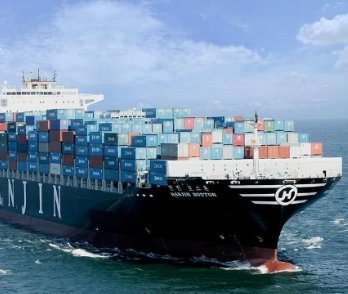
China Shipping Hub provides professional logistics solutions connecting China with Zambia. We carefully coordinate each shipment, ensuring secure cargo handling, proper documentation, and timely delivery. Whether it’s commercial goods, industrial supplies, or personal shipments, our services guarantee a smooth and reliable shipping experience to Zambia.
For large or heavy shipments, China Shipping Hub offers cost-effective sea freight services via regional ports such as Durban or Dar es Salaam, followed by inland transport to Zambia. We manage container bookings, oversee transshipment operations, and supervise loading to ensure cargo arrives safely and on schedule. Sea freight is ideal for bulk goods, machinery, and commercial consignments.
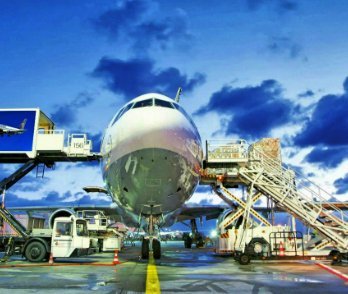
When speed is essential, China Shipping Hub provides fast and reliable air freight services. We secure cargo space on major airlines, handle all export documentation, and monitor shipments throughout transit. Air freight is ideal for urgent deliveries, high-value goods, and perishable cargo bound for Zambia.

Our door-to-door service ensures complete shipment management from China to Zambia. China Shipping Hub handles pickup at the supplier, export clearance, international transport, customs processing, and final delivery. This end-to-end service minimizes logistics complexities and guarantees a hassle-free shipping experience.

For full-container shipments, China Shipping Hub provides FCL services. We supervise container loading, optimize routing through regional ports, and offer real-time tracking. FCL shipping ensures secure handling, efficient transit, and predictable delivery schedules for high-volume commercial cargo.
If your shipment does not fill a full container, China Shipping Hub provides professional LCL consolidation services. We combine multiple clients’ cargo, manage warehouse operations, and ensure proper packing and labeling. LCL shipping is cost-efficient, reliable, and ideal for smaller shipments to Zambia.
China Shipping Hub provides eco-friendly, efficient pickup services across China. We simplify cargo collection, optimize routes, and reduce costs and emissions, ensuring a sustainable start to your logistics journey.

China Shipping Hub offers complimentary warehousing services, providing secure, organized, and efficient storage solutions to protect your goods throughout the entire logistics journey.

China Shipping Hub offers comprehensive cargo insurance, ensuring full protection for your goods throughout the entire journey to any Amazon FBA warehouse.

China Shipping Hub handles all documentation and administrative tasks for you, ensuring a smooth and stress-free shipping experience from start to finish.
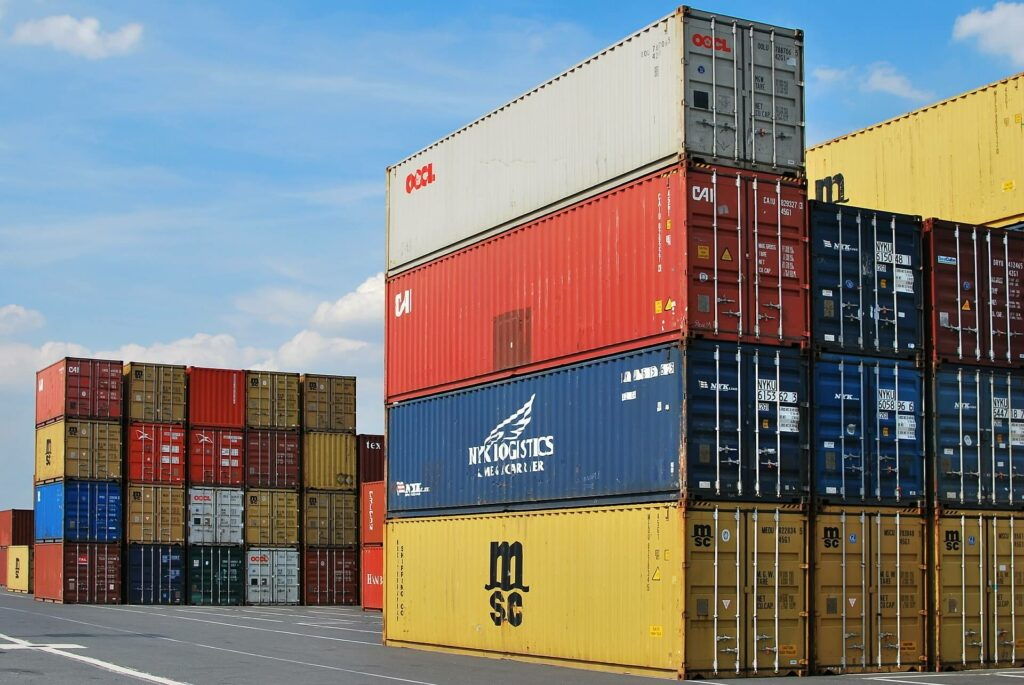
China Shipping Hub guarantees secure packaging and precise loading of your cargo at your supplier’s facility, ensuring full protection throughout the entire transit.
The primary shipping methods from China to Zambia are sea freight and air freight. Sea freight is more economical but slower, typically taking 4 to 6 weeks. Air freight is faster, usually 1 to 2 weeks, but is significantly more expensive. Other methods like rail and courier services are less common for this route due to logistical constraints.
To track your shipment, you can use the tracking number provided by the shipping company. Enter this number on the company's website or app. For international shipments, global tracking systems like those offered by DHL, FedEx, or UPS also provide tracking services. Customs updates might be available on Zambian customs websites or through your freight forwarder.
Customs duties for importing goods into Zambia depend on the type of product and its value. Zambia's customs duties are governed by the Zambia Revenue Authority (ZRA). Importers must pay VAT, customs duty, and potentially other taxes. The rates can vary widely, so it's essential to consult ZRA or a customs broker for precise calculations.
Yes, Zambia has restrictions on certain goods, such as hazardous materials, counterfeit products, and items that do not meet Zambian standards. Importers should check the Zambian Bureau of Standards and ZRA for specific regulations. Ensuring compliance with these regulations can help avoid delays and penalties.
Required documents generally include a commercial invoice, packing list, bill of lading or air waybill, certificate of origin, and any necessary import permits. Depending on the product, additional certifications may be needed, such as health certificates for food items or safety certifications for electronics.
To reduce shipping costs, consider options such as consolidating shipments, choosing sea freight over air freight, and negotiating rates with shipping companies. Additionally, using a freight forwarder or logistics company that specializes in international shipping can help you find cost-effective solutions and manage shipping efficiently.
Shipping insurance is crucial to protect against loss or damage during transit. It covers the value of the goods and can be purchased through the shipping company or a third-party insurer. Ensure the insurance covers the entire shipping process, from departure to arrival in Zambia, and review the terms and conditions for any exclusions.
Yes, using a shipping agent or freight forwarder can simplify the import process. They handle logistics, customs clearance, and documentation, ensuring compliance with regulations and potentially saving time and money. Choose a reputable agent with experience in handling shipments between China and Zambia.
Packaging should be sturdy and secure to prevent damage during transit. Use high-quality materials like reinforced cardboard or pallets. Clearly label packages with handling instructions and destination information. For international shipments, include detailed documentation inside the package to facilitate customs clearance.
To ensure timely delivery, choose a reliable shipping company with a track record of punctual deliveries. Opt for air freight if speed is crucial and monitor the shipment closely using tracking services. Plan for potential delays by allowing extra time and staying in communication with your shipping provider throughout the process.
Operations deal with the way the vehicles are operated, and the procedures set for this purpose, and policies. In the transport industry, operat ions and ownership of infrastructure can be either country.