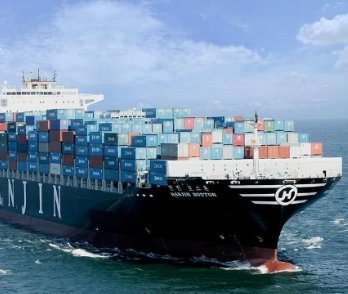
China Shipping Hub provides professional and reliable shipping solutions from China to Sao Tome and Principe. Considering the country’s island geography and limited port infrastructure, we carefully plan shipping routes, supervise cargo handling, and manage all export documentation to ensure every shipment—commercial or personal—arrives safely and on time.
For bulk or large shipments, China Shipping Hub offers cost-effective ocean freight services. We manage container bookings, transshipment planning, and supervise loading operations to guarantee secure, reliable, and timely delivery. Our sea freight solutions are ideal for industrial goods, retail cargo, and heavy shipments destined for Sao Tome and Principe.

When speed is essential, China Shipping Hub provides fast and reliable air freight services. We coordinate with airlines, handle all export documentation, and closely monitor cargo handling to ensure on-time arrival. Air freight is perfect for urgent, high-value, or perishable goods requiring rapid delivery.

Our door-to-door service ensures seamless shipping from origin to destination. China Shipping Hub handles pickup from suppliers in China, export clearance, international transit, customs processing in Sao Tome and Principe, and final delivery. This integrated service reduces logistical challenges and provides a stress-free shipping experience.

For full-container shipments, China Shipping Hub offers FCL services. We supervise container loading, optimize transit routes, and provide real-time tracking. FCL ensures maximum cargo protection, predictable schedules, and efficient delivery—ideal for high-volume commercial consignments.
If your shipment does not fill a full container, China Shipping Hub provides professional LCL consolidation services. We combine multiple clients’ cargo, manage warehouse operations, and ensure proper packaging and labeling. LCL shipping is cost-effective, reliable, and suitable for smaller shipments.
China Shipping Hub provides eco-friendly, efficient pickup services across China. We simplify cargo collection, optimize routes, and reduce costs and emissions, ensuring a sustainable start to your logistics journey.

China Shipping Hub offers complimentary warehousing services, providing secure, organized, and efficient storage solutions to protect your goods throughout the entire logistics journey.

China Shipping Hub offers comprehensive cargo insurance, ensuring full protection for your goods throughout the entire journey to any Amazon FBA warehouse.

China Shipping Hub handles all documentation and administrative tasks for you, ensuring a smooth and stress-free shipping experience from start to finish.
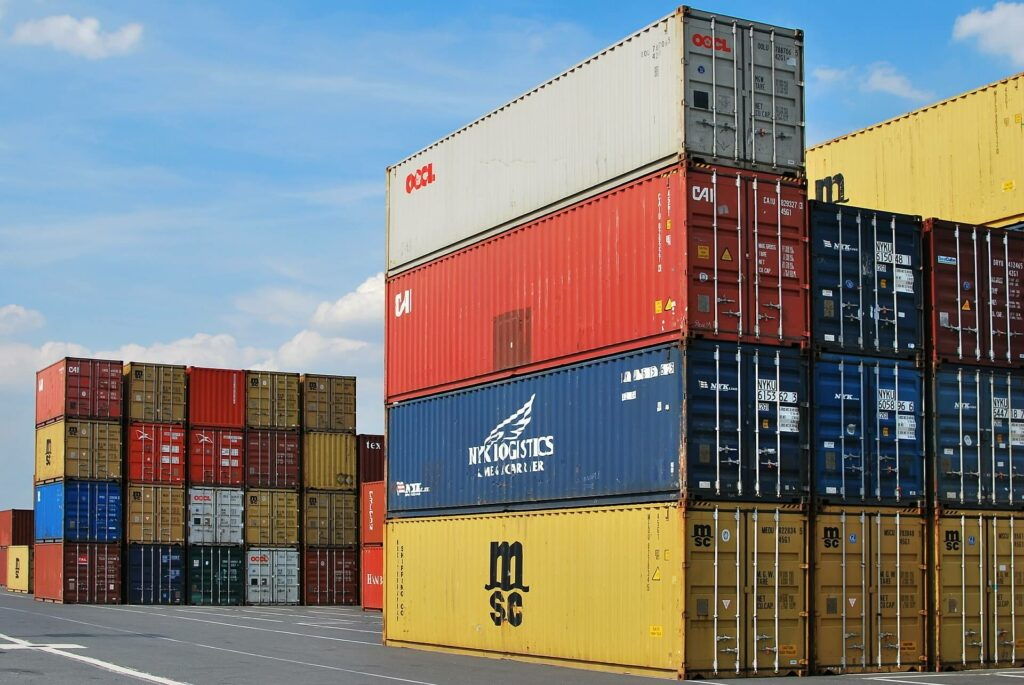
China Shipping Hub guarantees secure packaging and precise loading of your cargo at your supplier’s facility, ensuring full protection throughout the entire transit.
The average shipping time from China to Sao Tome and Principe typically ranges between 25 to 45 days. This time frame depends on various factors such as the shipping route, the type of shipping service used (standard or expedited), customs clearance, and potential delays due to weather or other unforeseen circumstances.
Common shipping routes from China to Sao Tome and Principe usually involve transiting through major ports in Asia, the Middle East, and Africa. Some routes may include stops at ports in Singapore, Dubai, and Lagos before reaching the final destination. The choice of route can affect the overall shipping time and cost.
Several factors can influence shipping duration, including the shipping method (sea freight vs. air freight), weather conditions, port congestion, customs clearance efficiency, and the specific route taken. Additionally, holidays and peak shipping seasons can also impact transit times.
Direct shipping options from China to Sao Tome and Principe are relatively rare due to the smaller size of the destination market. Most shipments involve transshipment through major regional hubs. Direct options may be available for high-priority or large-volume shipments, but they are generally more expensive.
Customs clearance can significantly impact shipping times. Delays in processing documents, inspections, and verification of goods can add days or even weeks to the total transit time. Efficient documentation and compliance with both countries' regulations can help minimize these delays.
Shipping costs vary based on the weight and volume of the shipment, the shipping method chosen (sea or air freight), and additional services such as insurance, tracking, and expedited delivery. Typically, sea freight is more cost-effective for large shipments, while air freight is faster but more expensive.
Air freight is a viable option for shipping goods that require faster delivery, such as perishable items or urgent supplies. While more expensive than sea freight, air freight significantly reduces transit times to approximately 5 to 10 days, depending on the specific service and route.
Essential documents for shipping include a bill of lading, commercial invoice, packing list, certificate of origin, and any required import/export licenses or permits. Proper documentation ensures smooth customs clearance and avoids potential delays and fines.
To minimize shipping delays, choose a reliable shipping company with a good track record, ensure all documentation is accurate and complete, plan for potential delays during peak seasons, and consider using expedited services if time-sensitive. Regular communication with the shipping provider can also help address issues promptly.
Logistics companies manage the entire shipping process, from pick-up and transportation to customs clearance and final delivery. They provide expertise in navigating complex shipping regulations, optimizing routes, and offering additional services such as warehousing, insurance, and real-time tracking. Partnering with a reputable logistics company can streamline the shipping process and improve efficiency.
Operations deal with the way the vehicles are operated, and the procedures set for this purpose, and policies. In the transport industry, operat ions and ownership of infrastructure can be either country.