
Shipping from China to Norway

Services

What we do

Services

img

Sea Freight From China To Norway

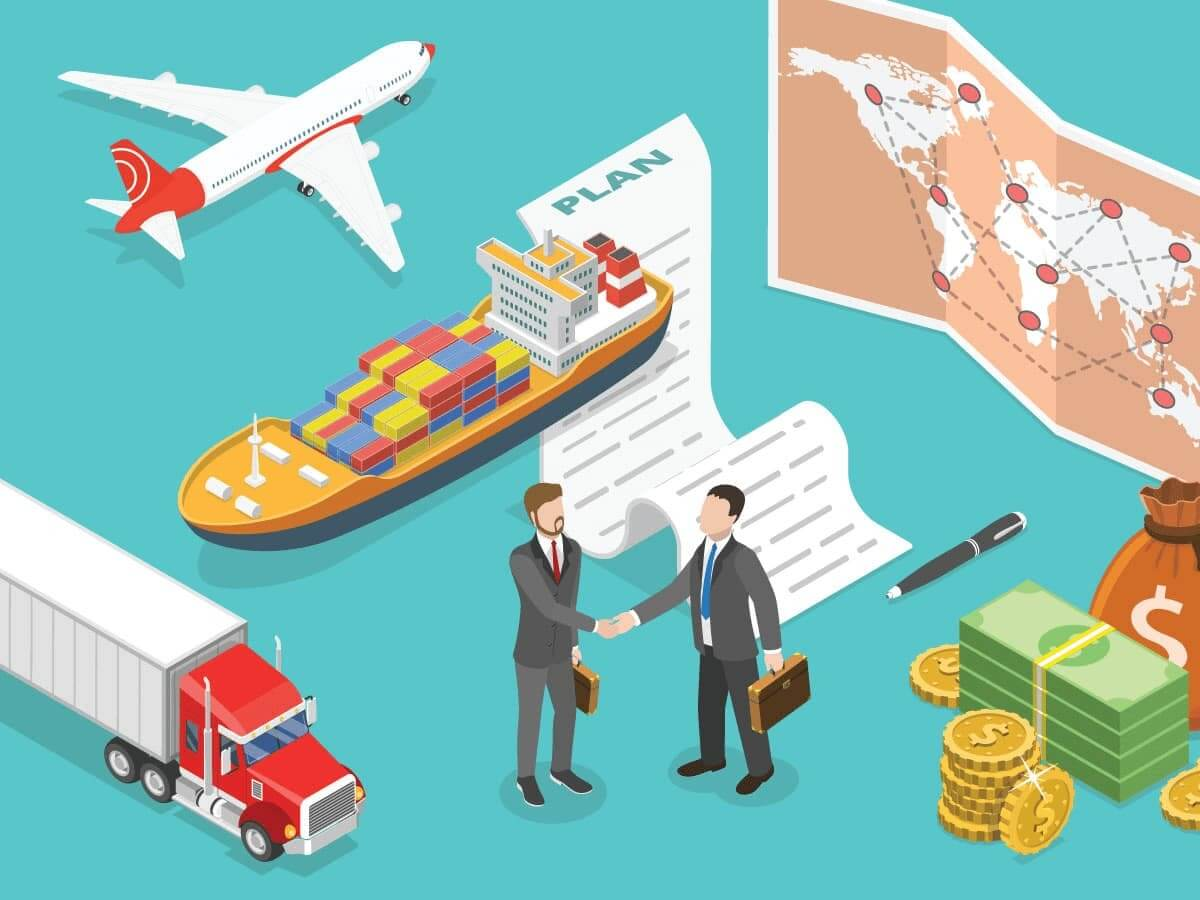
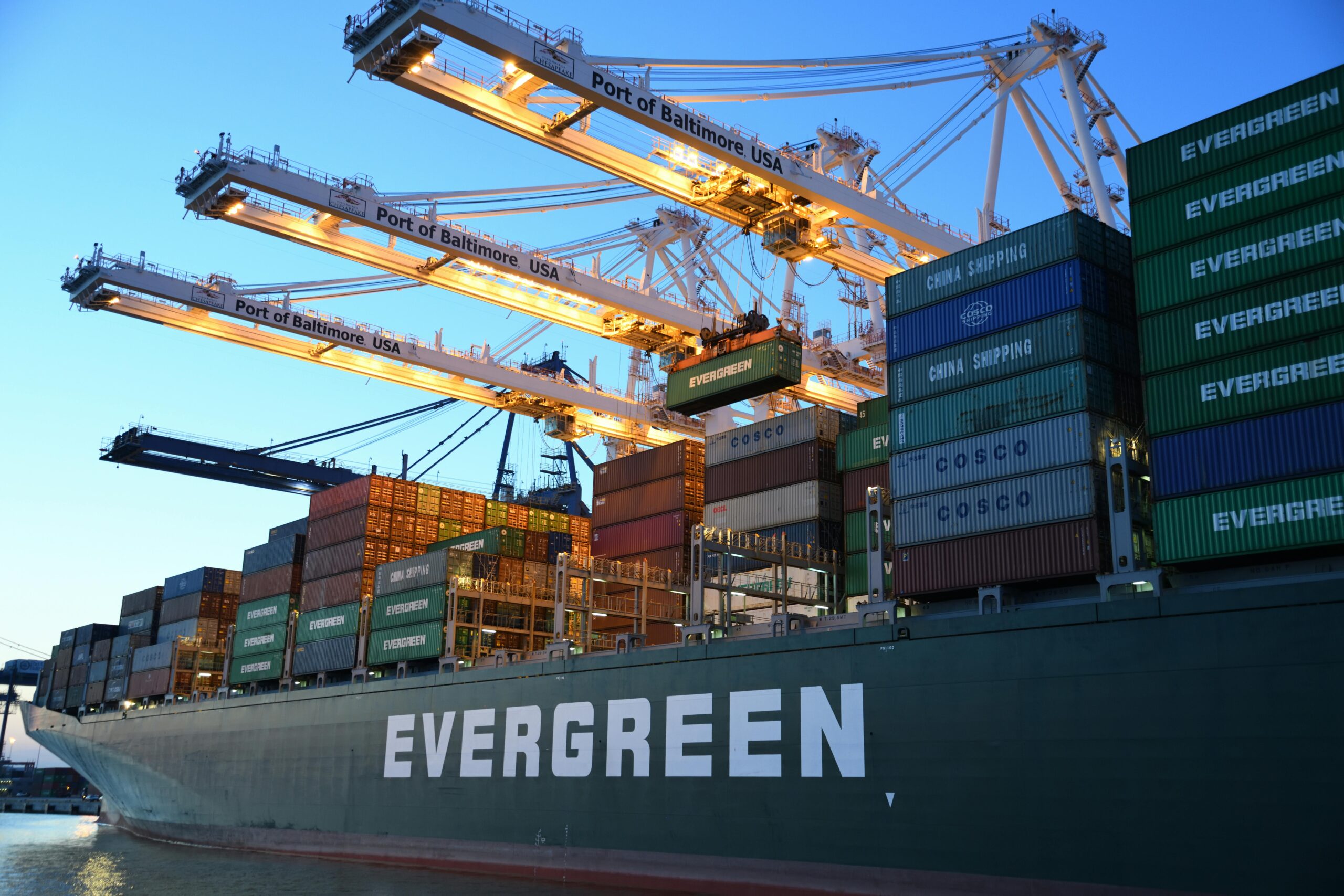
China Shipping Hub offers ocean freight solutions for shipments to Norway through major ports such as Oslo, Bergen, and Stavanger. Both full container loads (FCL) and less than container loads (LCL) are carefully supervised during loading and stowage to ensure cargo safety throughout transit. Ocean freight is a cost-effective option for bulky or non-urgent shipments, including industrial goods, raw materials, and commercial merchandise, with optimized routes and scheduled sailings to guarantee timely delivery.

img

Air Freight From China To Norway

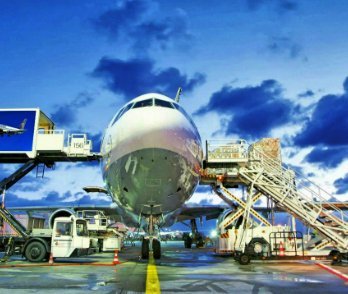
For urgent or high-value shipments, China Shipping Hub provides air freight from China to Norway, coordinating flights to Oslo Gardermoen Airport, Bergen Airport, and other regional hubs. Our air logistics service ensures rapid transit, meticulous cargo handling, full customs clearance, and real-time tracking from origin to destination. Air freight is ideal for electronics, perishable goods, fashion items, and other time-sensitive cargo requiring speed and reliability.

img

Rail Freight from China To Norway

China Shipping Hub provides full door-to-door shipping services from China to Norway. We pick up cargo directly from your supplier or warehouse, handle all export documentation and customs clearance, manage international freight transport, and deliver directly to your specified address in Norway. This end-to-end service simplifies logistics, reduces operational complexity, and ensures shipments arrive safely, efficiently, and on schedule.

FCL Shipping from China To Norway

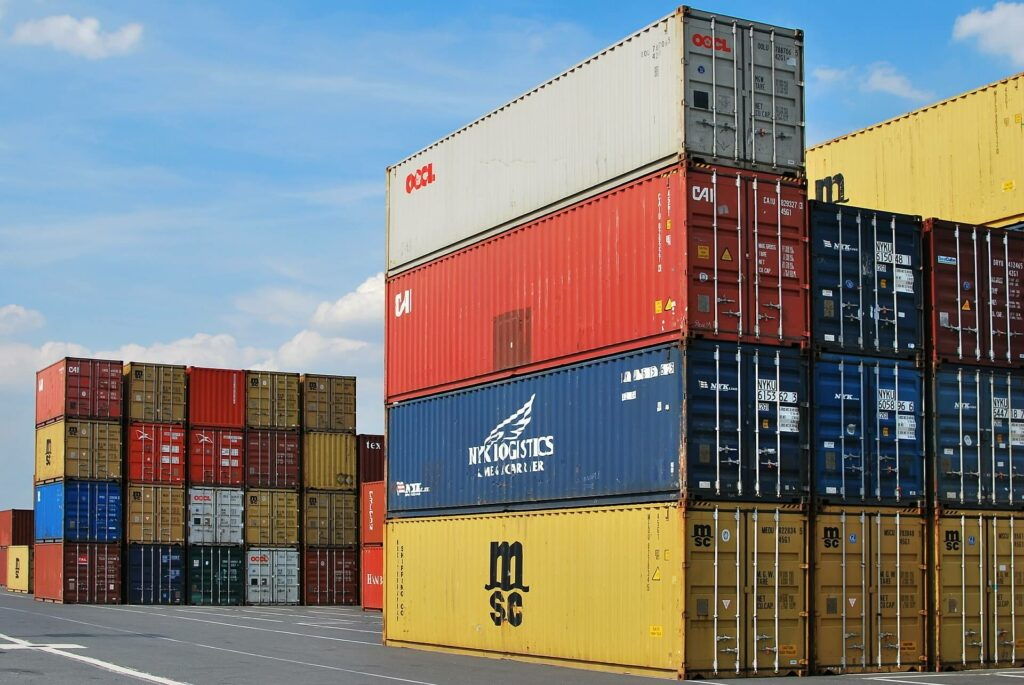
Our FCL service is designed for large-volume shipments requiring dedicated container space. China Shipping Hub oversees container allocation, secure loading, and optimized routing to guarantee safe and timely delivery. FCL shipping is particularly suitable for manufacturers and importers transporting bulk products, heavy machinery, or large-scale commercial cargo, providing predictable transit schedules and reliable handling.

LCL Shipping from China To Norway

For smaller shipments, China Shipping Hub offers LCL services, consolidating multiple consignments into shared containers while maintaining careful separation and monitoring. This approach provides cost efficiency, flexible scheduling, and reliable delivery to warehouses or distribution centers in Norway. LCL shipping is ideal for SMEs, e-commerce businesses, and partial cargo shipments that do not require a full container.

Features

More Services Shipping from China To Norway

img

Pickup and Delivery

China Shipping Hub provides eco-friendly, efficient pickup services across China. We simplify cargo collection, optimize routes, and reduce costs and emissions, ensuring a sustainable start to your logistics journey.

img

Warehousing

China Shipping Hub offers complimentary warehousing services, providing secure, organized, and efficient storage solutions to protect your goods throughout the entire logistics journey.

img

Cargo Insurance

China Shipping Hub offers comprehensive cargo insurance, ensuring full protection for your goods throughout the entire journey to any Amazon FBA warehouse.

img

Custom Clearance

China Shipping Hub handles all documentation and administrative tasks for you, ensuring a smooth and stress-free shipping experience from start to finish.

img

Loading Inspection

China Shipping Hub guarantees secure packaging and precise loading of your cargo at your supplier’s facility, ensuring full protection throughout the entire transit.

Here We Are

GET ANYTYPE QUOTE FROM HERE.

Your Best Freight Forwarder from China to Norway

China Shipping Hub combines ocean, air, and door-to-door logistics to deliver complete shipping solutions to Norway. We manage customs clearance professionally, supervise container loading and cargo consolidation, and ensure secure, tracked transport throughout the journey. With nationwide pickup across China, real-time shipment tracking, 24/7 customer support, and transparent pricing for shipments of all sizes, we provide a seamless, dependable, and cost-effective logistics experience for every client.

What customers also want to know

Professional Shipping from China to Norway: The Ultimate FAQ Guide

Shipping times from China to Norway are influenced by the chosen transport mode (air or sea), distance, customs clearance, and any potential delays in the logistics chain. Air freight is quicker but more expensive, while sea freight is cost-effective but slower. Other factors include the efficiency of the freight forwarder, weather conditions, and port congestion.

You can track your shipment from China to Norway using tracking numbers provided by your freight forwarder or carrier. Most carriers offer online tracking systems that allow you to monitor your shipment’s progress in real-time. Ensure to use the carrier’s website or app for accurate tracking information.

Essential documents include a commercial invoice, packing list, bill of lading, and certificate of origin. Depending on the nature of the goods, additional documents like certificates of conformity or import permits may be required. Ensure all documents are accurate and complete to facilitate smooth customs clearance.

Yes, customs duties and taxes may apply to shipments from China to Norway. The exact amount depends on the type of goods and their value. Norway’s customs authorities will assess duties based on the Harmonized System (HS) code of the goods. It’s advisable to check current rates and regulations to avoid surprises.

To ensure the safety of your goods, use high-quality packaging materials, choose a reliable freight forwarder, and secure adequate insurance coverage. Properly label and document your shipment, and comply with all regulations and safety standards. Regular tracking and clear communication with your freight partner also help in ensuring safe delivery.

Air freight offers faster shipping times compared to sea freight, with typical delivery times of 7 to 14 days. It is ideal for high-value, time-sensitive, or perishable goods. Air freight also provides better security and tracking capabilities, making it a reliable option for urgent shipments.

Sea freight is generally more cost-effective but slower, with delivery times ranging from 25 to 35 days. It is suitable for large, heavy, or non-urgent shipments. Air freight is faster, with delivery typically in 7 to 14 days, but is more expensive. It is best for urgent or high-value goods.

If your shipment is delayed, first contact your freight forwarder or carrier for information. They can provide updates on the delay and potential solutions. Check tracking systems and ensure all required documents are in order. In some cases, delays may be due to customs issues or logistical problems that need resolution.

Shipping costs depend on factors such as the mode of transport, weight, dimensions of the cargo, and destination. For accurate cost estimates, consult with your freight forwarder or use online shipping calculators provided by carriers. They will consider all these factors to provide a detailed cost breakdown.

Common challenges include customs clearance delays, fluctuating shipping rates, and potential damage or loss of goods. Other issues may include navigating complex regulations, dealing with unexpected costs, and managing logistical disruptions. Working with a reliable freight forwarder and preparing adequately can help mitigate these challenges.

Don’t Take Our Words for it

Listen to What Our Clients Say about Our Freight Forwarding Service

Customer Support

Operations deal with the way the vehicles are operated, and the procedures set for this purpose, and policies. In the transport industry, operat ions and ownership of infrastructure can be either country.

Sofia Harvey
Chairman News grove

Design Quality

Operations deal with the way the vehicles are operated, and the procedures set for this purpose, and policies. In the transport industry, operat ions and ownership of infrastructure can be either country.

Jon D. William
Founder of Mixbix

Code Quality

Operations deal with the way the vehicles are operated, and the procedures set for this purpose, and policies. In the transport industry, operat ions and ownership of infrastructure can be either country.

Sakira K. Lilliam
Ceo of Axone