
- By liz
- July 23, 2026
- Uncategorized
Understanding how much does shipping from China cost is essential for businesses planning international purchases and managing supply chain expenses. Shipping costs can vary significantly depending on transportation methods, cargo size, destination, and additional services required.
Moreover, choosing the right shipping solution can help companies control expenses while maintaining reliable delivery schedules. This guide explains the main factors affecting China shipping costs, different transportation options, and how businesses can estimate their logistics budget.

How Much Does Shipping from China Cost by Different Methods?
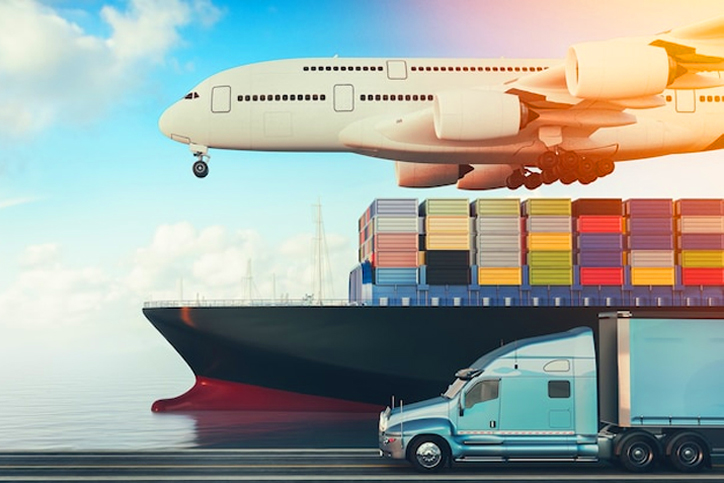
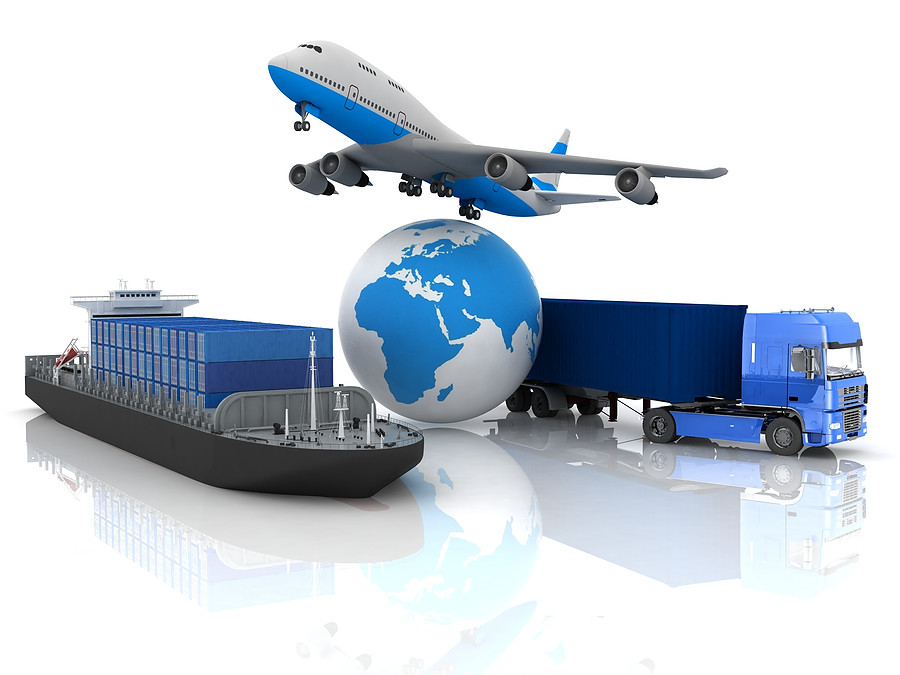
The cost of shipping from China depends mainly on the transportation method selected. Generally, businesses choose between sea freight, air freight, rail freight, and express delivery.
Each option provides different advantages in terms of speed and price.
| Shipping Method | Estimated Cost Level | Best For |
|---|---|---|
| Sea Freight | Low | Large and heavy cargo |
| Rail Freight | Medium | Balanced cost and speed |
| Air Freight | High | Urgent shipments |
| Express Shipping | Highest | Small packages |
However, the final shipping price depends on more than the transportation method. Factors such as fuel surcharges, customs fees, handling charges, and delivery location can also affect the total cost.
What Factors Affect Shipping Costs from China?
Many businesses ask how much does shipping from China cost, but there is no fixed answer because multiple factors influence the final price.
Cargo Weight and Volume
Shipping companies usually calculate freight costs based on weight, volume, or both.
For example:
- Heavy cargo may be charged by actual weight.
- Large but lightweight cargo may be charged by volume.
Therefore, optimizing packaging can sometimes reduce transportation expenses.
Shipping Method
The chosen transportation method has a major impact on costs.
Sea freight is usually the most affordable option for large shipments. However, air freight provides faster delivery with higher costs.
Additionally, companies should compare shipping speed and product value before selecting a transportation method.
Destination and Shipping Route
Shipping costs also depend on the final destination.
Longer routes usually require higher transportation expenses. Moreover, remote locations may involve additional inland delivery charges.
| Destination | Common Shipping Method | Estimated Time |
|---|---|---|
| North America | Sea / Air Freight | 5–45 days |
| Europe | Sea / Rail / Air | 5–45 days |
| Asia | Sea / Air Freight | 7–40 days |
How Much Does Sea Freight from China Cost?
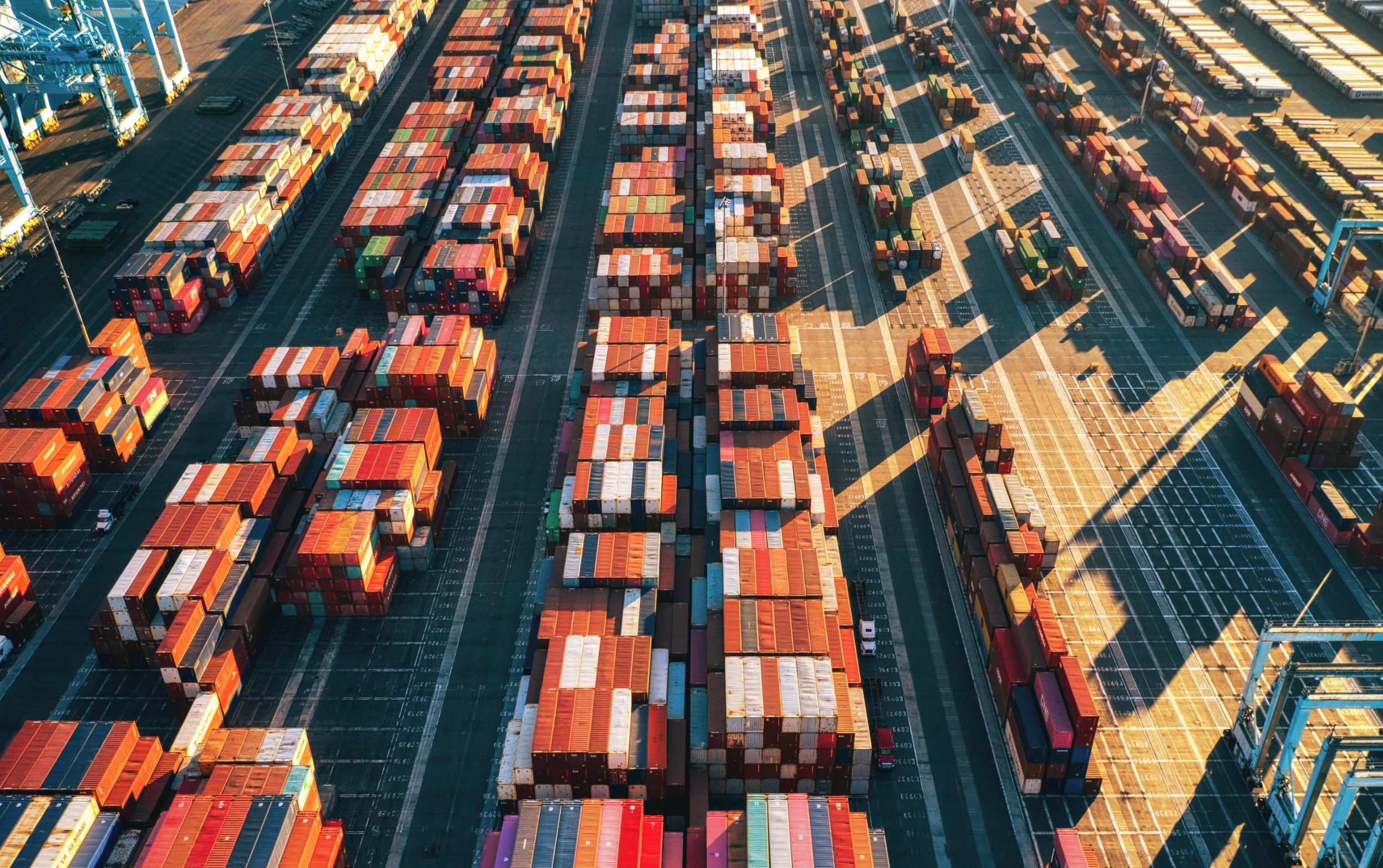
Sea freight is the most common option for businesses importing large quantities from China.
It is popular because it provides lower transportation costs compared with air freight.
Sea freight costs are usually affected by:
- Container size
- Cargo volume
- Shipping route
- Port charges
- Seasonal demand
Common options include:
Full Container Load (FCL)
FCL is suitable for businesses shipping enough goods to fill an entire container.
Advantages:
- Lower cost per unit
- Faster handling
- Better cargo security
Less Than Container Load (LCL)
LCL allows businesses to share container space with other shipments.
It is suitable for smaller shipments that do not require a full container.
Therefore, LCL is often a practical choice for small and medium-sized importers.
How Much Does Air Freight from China Cost?
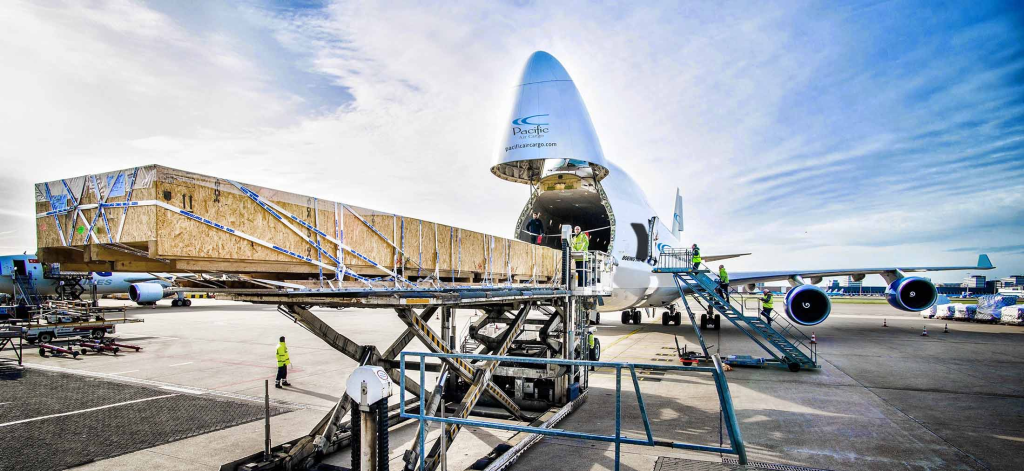
Air freight costs more than sea freight but provides much faster delivery.
It is commonly used for:
- High-value products
- Urgent orders
- Small shipments
- Time-sensitive goods
However, businesses should carefully evaluate whether faster delivery justifies the additional cost.
For example, companies selling seasonal products may prefer air freight to avoid inventory shortages.
How Can Businesses Reduce Shipping Costs from China?
Reducing shipping expenses requires careful planning and choosing suitable logistics solutions.
Compare Different Shipping Options
Businesses should compare:
- Freight rates
- Transit time
- Service reliability
- Additional fees
Moreover, selecting the cheapest option is not always the best choice. A slightly higher cost with better reliability may provide better long-term value.
Plan Shipments in Advance
Last-minute shipments often result in higher costs.
Therefore, businesses can reduce expenses by:
- Booking transportation earlier
- Avoiding peak seasons
- Consolidating shipments
Work With Experienced Freight Forwarding Services
A professional freight forwarder can help businesses find suitable transportation options and manage complex shipping procedures.
Additionally, freight forwarders can assist with:
- Carrier selection
- Customs clearance
- Documentation
- Delivery coordination
As a result, businesses can improve cost control and reduce shipping risks.
What Additional Fees Should Importers Consider?
Many businesses focus only on freight rates. However, several additional charges may affect the final shipping budget.
Common additional costs include:
Customs Clearance Fees
Import shipments may require customs processing, documentation checks, and government-related charges.
Additionally, incorrect paperwork may lead to delays and extra storage costs.
Port and Handling Charges
Ports may charge fees for:
- Container handling
- Storage
- Inspection
- Terminal services
Therefore, understanding these charges in advance helps businesses avoid unexpected expenses.
Local Delivery Costs
International shipping usually does not end when cargo arrives at the destination port.
Final delivery may include:
- Truck transportation
- Warehouse handling
- Distribution services
As a result, businesses should calculate the complete door-to-door shipping cost rather than only the international freight charge.
How Can Businesses Estimate the Total Cost of Shipping from China?
For example, an importer purchasing products from China may need to consider:
- Factory pickup cost
- Export documentation
- International transportation
- Import customs clearance
- Local delivery
Moreover, choosing the right Incoterms, such as FOB, CIF, or DDP, can also affect who pays for different parts of the shipping process.
How to Choose the Most Cost-Effective Shipping Solution from China?
The cheapest shipping method is not always the best option. Businesses should consider the balance between cost, speed, and reliability.
For example:
- A company shipping large quantities may benefit from sea freight.
- A business with urgent inventory needs may choose air freight.
- A growing importer may combine different methods to optimize costs.
Moreover, professional logistics solutions can help businesses compare options and create a more efficient supply chain strategy.
Request a Quote
Need a clearer understanding of your China shipping expenses? Professional logistics support can help you compare transportation options, estimate total costs, and choose the most suitable shipping solution. Request a customized shipping consultation today to improve cost efficiency and simplify your import process.
Contact TJ China Freight for a fast, free quote.
Industries We Work With
We’ve helped 3,000+ businesses with agent China in these sectors:
- Amazon & eCommerce
- Furniture & Home Goods
- Industrial Equipment
- Garments & Textiles
- Medical Devices (Non-hazardous)
- Auto Parts
FAQ:
1. How much does shipping from China cost?
Shipping costs from China depend on cargo size, destination, shipping method, and additional services. Sea freight is usually cheaper, while air freight costs more but delivers faster.
2.Is shipping from China expensive?
Shipping from China can be affordable when choosing the right method. Large shipments usually benefit from sea freight, while smaller urgent shipments may require air or express shipping.
3.What is the cheapest way to ship from China?
Sea freight is usually the most cost-effective option for large shipments. Businesses can also reduce costs by consolidating cargo and planning shipments in advance.
4. How are shipping costs from China calculated?
Shipping costs are calculated based on factors such as weight, volume, destination, transportation method, and additional logistics services.
5.Does air freight cost more than sea freight from China?
Yes. Air freight is faster but usually more expensive. Sea freight provides lower costs and is better suited for large-volume cargo.