China Import Customs Broker for Importers: 2026 Essential Guide
Navigating the complexities of international trade requires a reliable china import customs broker for importers to ensure seamless delivery and regulatory compliance. Many businesses struggle with intricate documentation and shifting tariff laws in the 2026 market, which can lead to significant delays and unexpected costs. Consequently, finding a dedicated partner that simplifies the supply chain is essential for long-term growth and operational stability. This guide provides a comprehensive overview of how professional brokerage services can transform your importing experience from China to global destinations.
What is a China Import Customs Broker for Importers?
A customs broker acts as a professional intermediary between your business and the customs authorities to facilitate the legal entry of goods. Specifically, they manage the complex process of customs brokerage by preparing necessary filings and ensuring all duties are paid correctly. In 2026, the role has evolved to include advanced digital compliance and real-time tracking of regulatory changes.
Moreover, these experts possess deep knowledge of Harmonized System (HS) codes, which are critical for determining the correct tax rates for your cargo. Without accurate classification, importers risk heavy fines or the seizure of their products at the border. Therefore, leveraging the expertise of a specialized broker is not just a convenience but a strategic necessity for modern supply chains.
Professional brokers also provide guidance on trade agreements that might reduce your overall tax burden. Since trade relationships are constantly shifting, having an advisor who monitors these trends can save your company thousands of dollars annually. Indeed, their primary goal is to minimize risk while maximizing the speed of your cargo through various checkpoints.
How Does Customs Brokerage Compare to Other Shipping Options?
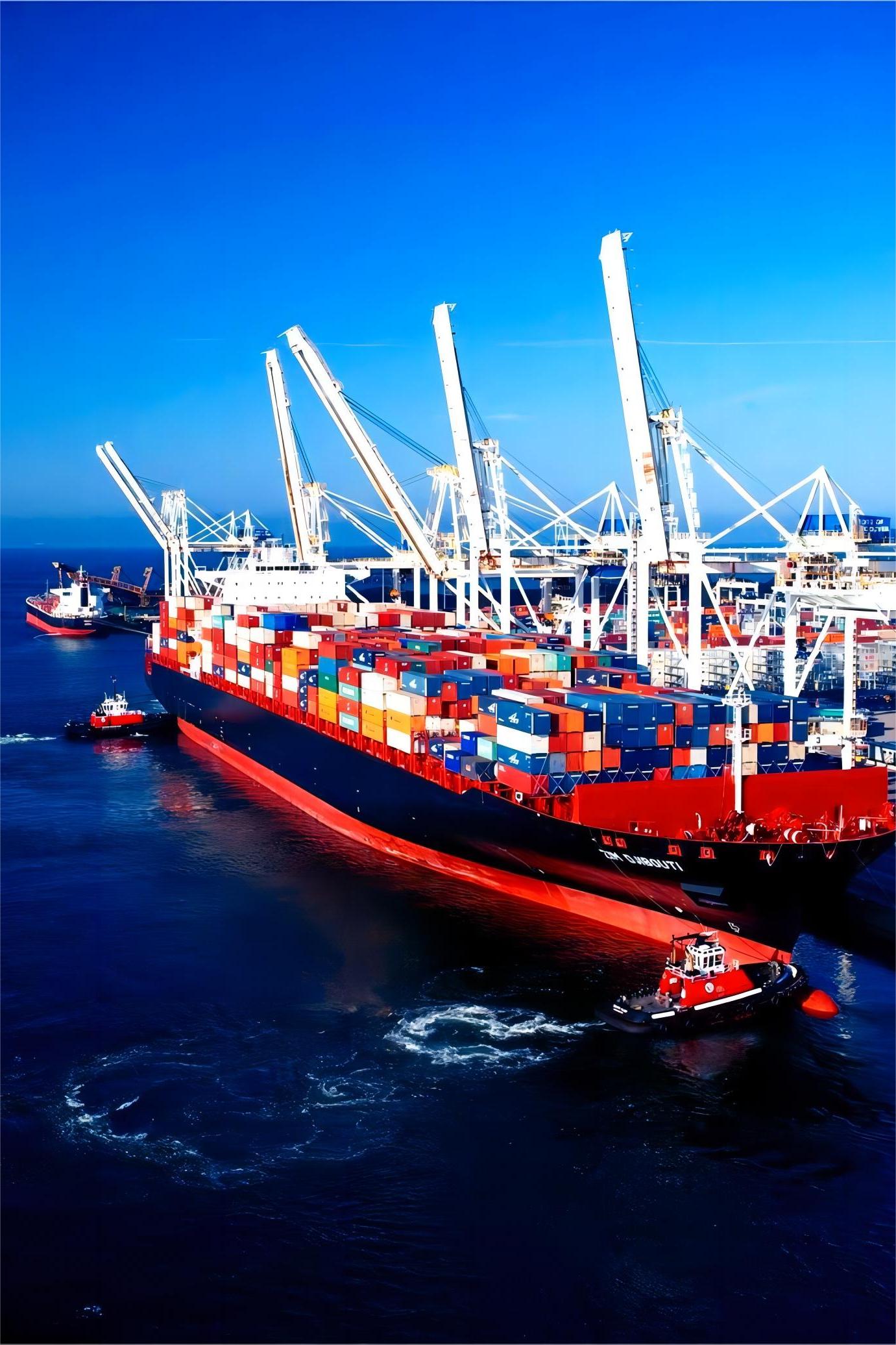
Understanding the differences between shipping methods is vital for optimizing your logistics budget. While a customs broker handles the legalities, you must still choose the physical transport method that best fits your timeline and cargo volume. For instance, sea freight remains the most cost-effective solution for large-scale shipments despite longer transit times.
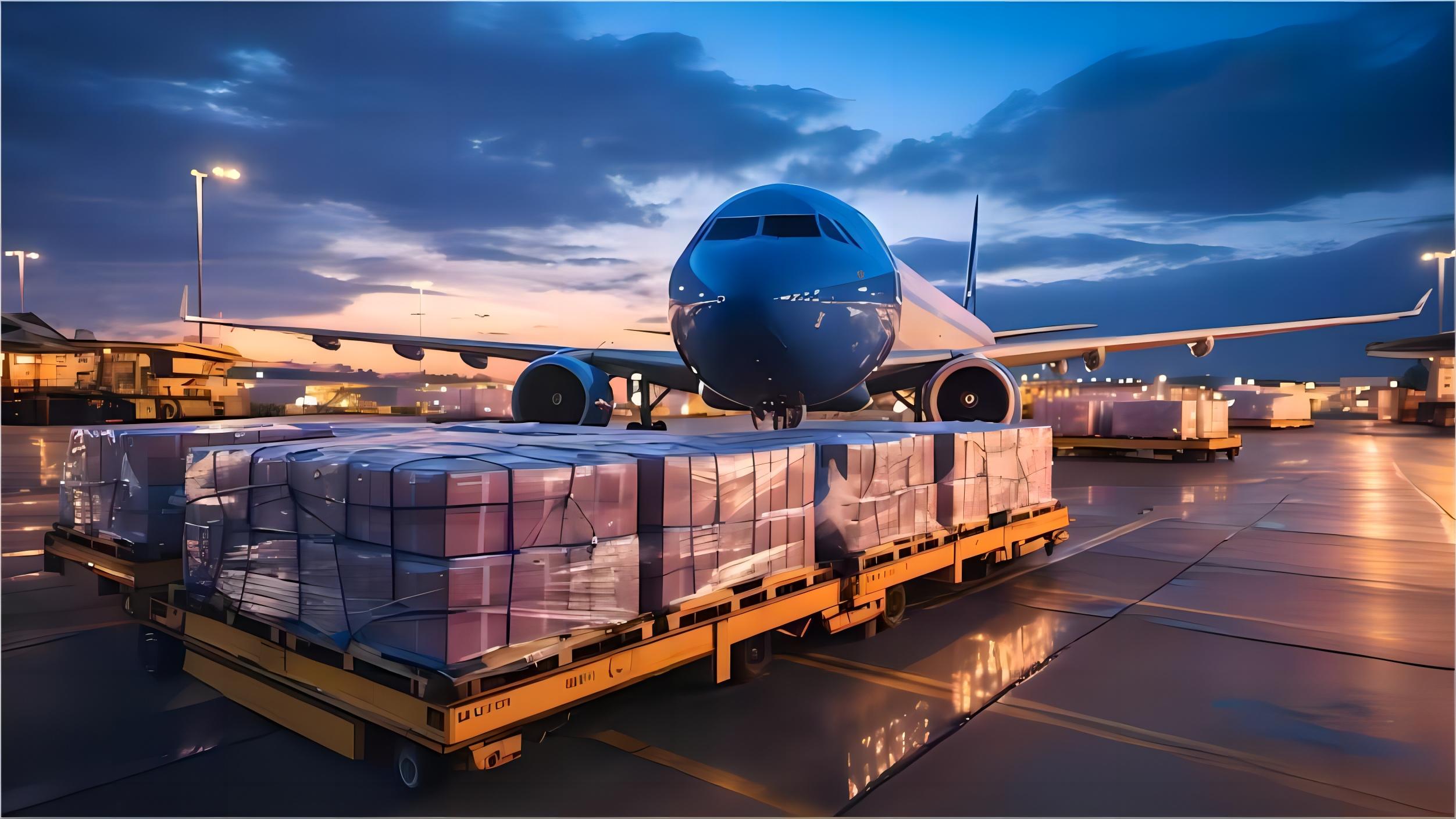
On the other hand, smaller or more urgent consignments might benefit from different approaches. For example, air transport offers unparalleled speed but comes at a much higher price point per kilogram. Below is a detailed comparison of the primary shipping methods available from China in 2026.
Each method requires specific customs handling and documentation. Consequently, your broker must be well-versed in the nuances of each transport mode to avoid clerical errors that could stall your shipment. For instance, rail freight documents differ significantly from maritime bills of lading.
| Shipping Method | Cost Range (2026) | Transit Time | Best For |
|---|---|---|---|
| Sea Freight (FCL) | $1,500 – $4,500 | 14 – 38 Days | Bulk items and machinery |
| Air Freight | $5.00 – $12.00/kg | 3 – 7 Days | Electronics and urgent stock |
| Rail Freight | $1,200 – $3,000 | 18 – 25 Days | Mid-size industrial loads |
| Express Service | $8.00 – $18.00/kg | 2 – 5 Days | Samples and small parcels |
Key Responsibilities of a Customs Broker in 2026
Modern brokers do much more than just submit paperwork; they provide a full suite of compliance services. First and foremost, they verify that your products meet the safety and quality standards of the destination country. This is particularly important for industries like electronics or medical supplies where regulations are exceptionally strict.
Additionally, they handle the calculation and payment of VAT, GST, or other local taxes on your behalf. By managing these financial transactions, they prevent payment delays that could hold up your goods at the port of entry. Furthermore, they often provide bonded warehouse solutions for cargo that needs to be stored before final clearance.
Communication with port authorities is another critical task. If a shipment is flagged for inspection, your broker will represent your interests and provide the necessary clarifications to resolve the issue quickly. Consequently, this reduces the stress on your internal team and keeps your delivery schedule on track.
Essential Documentation for China Import Clearance
Accurate documentation is the backbone of successful international shipping. Without the correct papers, even the most efficient air freight shipment will be delayed indefinitely at customs. Your broker will typically require a commercial invoice, a detailed packing list, and a bill of lading or airway bill.
Furthermore, specific products may require certificates of origin or import licenses. For example, agricultural products often need phytosanitary certificates to prove they are free from pests. To summarize, the complexity of the paperwork depends largely on the nature of the goods you are importing.
In 2026, many of these documents are now processed through digital trade platforms. However, physical copies or verified digital signatures are still required in many jurisdictions. Therefore, maintaining a meticulous record-keeping system is vital for audit purposes and future shipments.
| Document Type | Purpose | Mandatory? | Primary Source |
|---|---|---|---|
| Commercial Invoice | Valuation of goods | Yes | Seller/Supplier |
| Packing List | Content verification | Yes | Seller/Supplier |
| Bill of Lading | Title and transport proof | Yes | Carrier/Forwarder |
| Certificate of Origin | Tariff determination | Often | Chamber of Commerce |

How to Choose the Right China Import Customs Broker for Importers
Selecting the right partner requires careful evaluation of their experience and service range. You should look for a broker that offers door to door solutions, as this ensures a single point of accountability from the factory in China to your warehouse. This integrated approach minimizes the risk of communication gaps between different service providers.
Moreover, verify their licensing and credentials within both China and your destination country. A broker with a global network can often navigate local bottlenecks more effectively than a smaller, localized firm. Additionally, consider their technological capabilities, such as whether they offer an online portal for tracking your clearance status.
Customer service is another vital factor to consider during your search. You need a responsive team that can provide updates outside of standard business hours, especially when dealing with time zone differences. Consequently, reading reviews and asking for references from other importers can provide valuable insights into their reliability.
Realistic Case Studies: Successful Import Scenarios
Case Study 1: Electronics Distribution to North America. In early 2026, a tech company imported 2,500 units of high-end tablets from Shenzhen to Los Angeles. By using a professional broker, they correctly applied a new trade exemption, saving $12,000 in duties. The cargo was shipped via a 40HQ container with a total landed cost of $4,800 excluding duties, and the door-to-door transit took exactly 19 days.
Case Study 2: Industrial Parts to Europe. A manufacturing firm in Germany required urgent replacement parts from Ningbo. They opted for LCL sea freight for a 5 CBM shipment to balance cost and speed. The broker managed the complex ‘indirect’ clearance through Rotterdam, which avoided a temporary congestion at German ports. Total shipping cost was $1,250, and the goods arrived in 33 days, including 3 days for customs processing.
Note: Freight rates are subject to change based on fuel costs, carrier capacity, and seasonal demand. Contact us for a current quote tailored to your specific shipment.

Which Shipping Option Should You Choose?
Choosing the right method depends on your specific business priorities. If your primary goal is to minimize expenditure, sea freight is the clear winner for large volumes. However, if you are shipping high-value items for Amazon FBA, the speed of air or express services might be necessary to keep your listings active and avoid stockouts.
Hybrid solutions are also becoming more popular in 2026. For instance, some importers use sea-air combinations where goods are shipped by sea to a hub like Dubai and then flown to the final destination. This strategy offers a middle ground between cost and transit time, providing flexibility for fluctuating market demands.
Ultimately, your decision should be based on a thorough analysis of your landed costs. A skilled broker can help you run these simulations to determine which route offers the best return on investment. Furthermore, they can advise on seasonal peaks when certain routes might be congested or significantly more expensive.
The Impact of 2026 Trade Regulations on Import Costs
Market data suggests that 2026 has seen a stabilization of freight rates following the disruptions of previous years. However, new environmental regulations have introduced ‘green’ surcharges for carbon-heavy transport modes. Consequently, brokers are now helping importers transition to more sustainable logistics paths to mitigate these additional costs.
Digitalization of customs has also reached a tipping point this year. Most major ports now use AI-driven risk assessment tools to scan documentation, which has reduced average clearance times by 20%. Nevertheless, this high level of automation means that any errors in your digital filings are detected almost instantly, making professional oversight more critical than ever.
According to industry benchmarks, companies that use automated brokerage services report 15% fewer compliance audits. This trend highlights the importance of choosing a broker that invests in modern technology. Indeed, the integration of blockchain for secure document exchange is becoming a standard requirement for high-volume importers.
Mastering Your Import Strategy
Successfully navigating the global marketplace requires more than just finding a supplier; it demands a robust logistics strategy. By employing a professional China import customs broker for importers, you can overcome the hurdles of international regulations and focus on growing your business. These experts provide the necessary bridge between complex legal requirements and efficient physical delivery.
To summarize, the right broker will save you time, reduce your costs, and protect your company from compliance risks. As we move through 2026, the importance of expert guidance in the supply chain will only continue to increase. Take the proactive step of securing a reliable logistics partner to ensure your future shipments arrive safely and on time.
Start Your Shipment
Streamline your international trade today by partnering with an expert China import customs broker for importers. Our team at China Shipping Hub provides comprehensive logistics solutions tailored to your unique business needs in 2026. Visit our website to request a personalized quote and ensure your next shipment is handled with the highest level of professional care. Visit https://chinashippinghub.com/ to get started.
Request Quote