
China Freight Forwarder Door to Door France: The Ultimate 2025 Logistics Guide
Navigating international logistics requires a reliable partner to manage complex supply chain demands. For businesses importing goods, finding a professional china freight forwarder door to door france is the most efficient way to ensure seamless delivery from the factory floor to the final destination. This comprehensive service eliminates the stress of managing multiple carriers and complex customs procedures. In this guide, we explore how to optimize your shipping strategy for the French market while maintaining cost-effectiveness and speed.
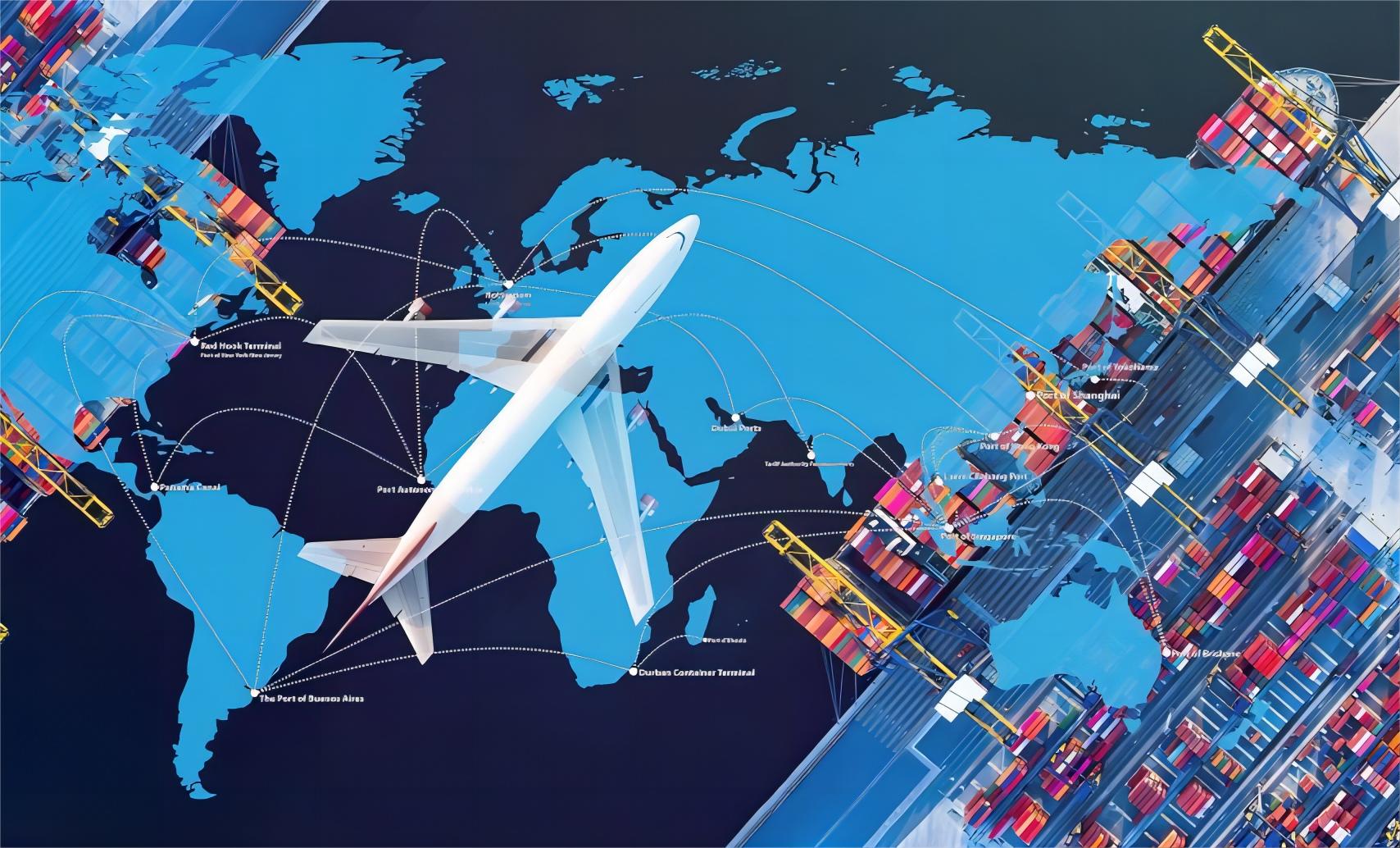
What is a China Freight Forwarder Door to Door France Service?
Door to door shipping represents the pinnacle of convenience in the global logistics industry. Consequently, a freight forwarder takes full responsibility for the cargo from the moment it leaves the Chinese supplier until it arrives at the French warehouse. This all-inclusive approach covers pickup, international transport, and local delivery.
Moreover, the forwarder manages all necessary documentation and terminal handling fees at both ends. Businesses often prefer this model because it centralizes communication and accountability. Instead of dealing with separate truckers and port authorities, you have a single point of contact for the entire journey.
Furthermore, this service is particularly beneficial for those using door to door solutions to minimize the risk of delays. By coordinating every leg of the trip, forwarders can proactively address potential bottlenecks before they impact your delivery schedule.
Why Should You Use a Professional Forwarder for France?
France has specific regulatory requirements and environmental standards that can be difficult for outsiders to navigate. Therefore, hiring an experienced china freight forwarder door to door france ensures that your shipments comply with all local EU laws. They understand the nuances of the French customs system and the VAT implications for different product categories.
Additionally, professional forwarders have established relationships with major carriers, allowing them to secure better rates than individual shippers. They can consolidate shipments to reduce costs or expedite urgent cargo through priority channels. This flexibility is essential for maintaining a competitive edge in the modern retail environment.
Reliability remains the most significant advantage when outsourcing your logistics needs. Indeed, a dedicated forwarder monitors global events and adjusts routes to avoid disruptions like port strikes or weather events. This proactive management protects your inventory and ensures your customers receive their orders on time.
Comparing Shipping Methods: Air vs. Sea vs. Rail
Selecting the right transport mode depends heavily on your budget, cargo volume, and urgency. For instance, air freight is the fastest option but carries a significantly higher price tag. It is ideal for high-value electronics or seasonal fashion items that need to hit the shelves immediately.
In contrast, sea freight offers the lowest cost per unit for large volumes of goods. While it takes longer to reach French ports like Le Havre or Marseille, it is the standard choice for furniture, machinery, and bulk commodities. Most businesses use a mix of both to balance speed and expense.
Meanwhile, rail freight has emerged as a popular middle ground between air and sea. It offers faster transit times than ocean shipping and lower costs than air transport. This method is particularly effective for shipments originating in inland Chinese cities and destined for central European hubs.
| Air Freight | 3-7 Days | Very High | Urgent, high-value goods |
| Sea Freight (FCL) | 30-45 Days | Low | Large inventory, bulk items |
| Rail Freight | 15-22 Days | Medium | Mid-size shipments, steady supply |
| Express Courier | 2-5 Days | Highest | Samples and small parcels |

How Does Door to Door Compare to Other Shipping Options?
Understanding the difference between incoterms is vital for calculating your total landed cost. While Port-to-Port shipping might seem cheaper initially, it leaves you responsible for the complex final mile delivery in France. Conversely, a china freight forwarder door to door france includes these costs in a single transparent quote.
Alternative strategies include Port-to-Door or Door-to-Port, which can be useful if you have your own local trucking contracts. However, for most small to medium enterprises, the full door-to-door model provides the best value by reducing administrative overhead. It eliminates the need for you to coordinate with French transport companies manually.
Hybrid solutions like sea-air combinations can also be explored for specific scenarios. These involve shipping by sea to a hub like Dubai and then flying the cargo to Paris. This approach can save 30% on costs compared to pure air freight while cutting transit time in half compared to sea.
| Door-to-Door (Sea) | $2,500 – $4,500 | 35-50 Days | Full containers | Long lead time |
| Door-to-Door (Air) | $8 – $15 per kg | 5-10 Days | Urgent cargo | High price |
| Port-to-Port (Sea) | $1,800 – $3,200 | 30-40 Days | Large shippers | Complex logistics |
| Rail (DDP) | $150 – $250 / CBM | 18-25 Days | E-commerce | Limited routes |
Which Option Should You Choose?
Budget priority dictates that you should almost always choose sea freight for shipments larger than 2 cubic meters. If you are shipping less than that, LCL (Less than Container Load) sea freight remains the most economical choice. Nevertheless, you must factor in the extra time needed for consolidation at the port of origin.
Speed priority necessitates the use of air freight or express services. If your product has a short shelf life or is part of a time-sensitive marketing campaign, the higher cost is a necessary investment. For many, the 15-20 day window provided by rail is the perfect compromise for regular restocking.
Cargo type also plays a major role in your decision-making process. Hazardous materials or oversized machinery may have restricted options and require specialized handling. Always consult with your forwarder to determine which carriers are equipped to manage your specific product safely and legally.
Real Case Studies: China to France Logistics
Case Study 1: Electronics from Shenzhen to Paris. A client needed to ship 500kg of high-end tablets. Route: Shenzhen to Paris (CDG). Method: Air Freight. Total Door-to-Door Time: 6 days. Total Landed Cost: $4,800. Key Insight: Choosing air freight allowed the client to meet a product launch deadline that would have been missed by sea.
Case Study 2: Textiles from Ningbo to Marseille. A clothing retailer imported a 20GP container of seasonal apparel. Route: Ningbo to Marseille via Suez Canal. Method: Sea Freight (FCL). Total Door-to-Door Time: 38 days. Total Landed Cost: $3,500. Key Insight: Booking 4 weeks in advance secured a lower rate before the peak season price hike.
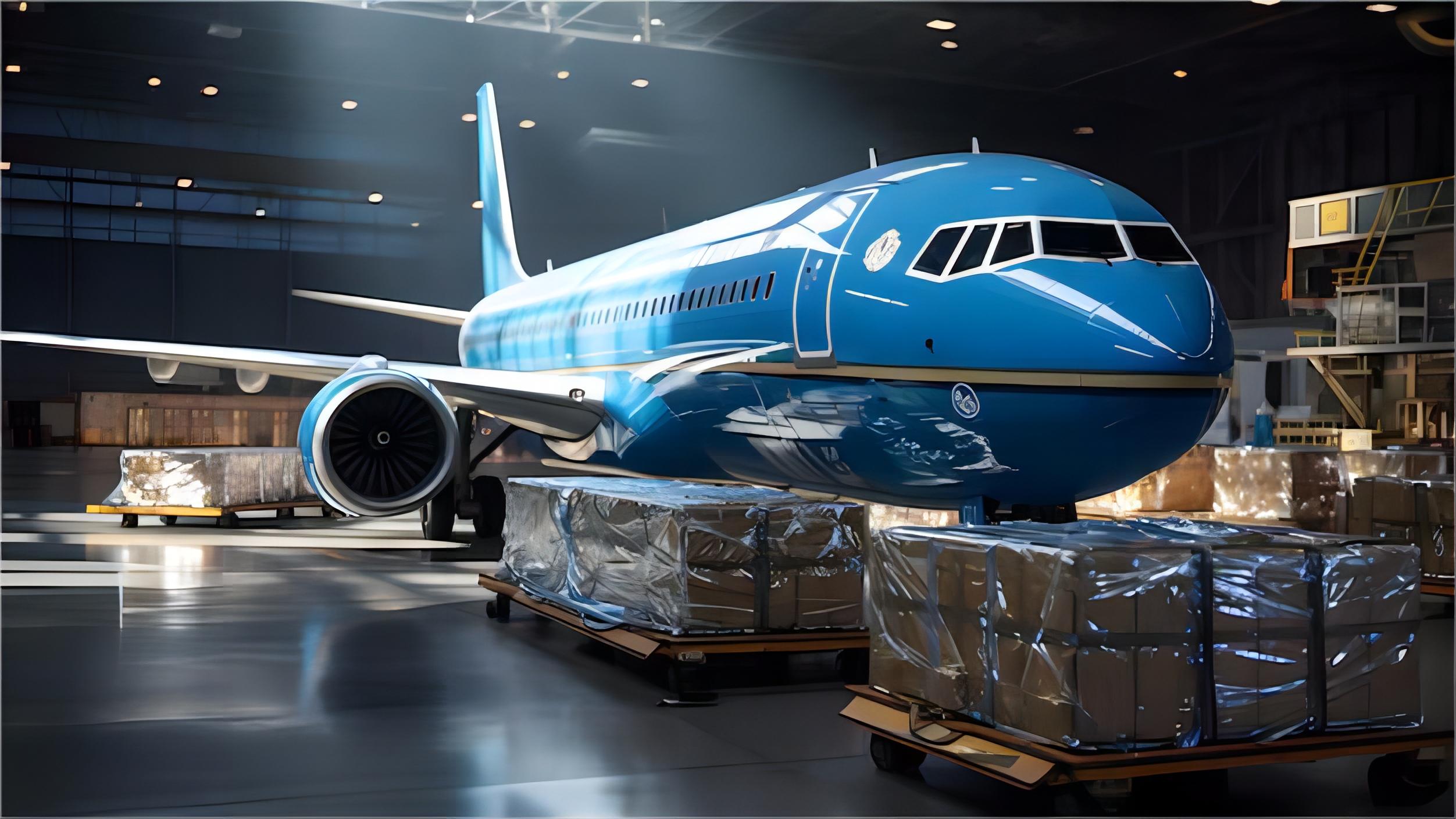
Case Study 3: Industrial Parts from Chengdu to Lyon. A manufacturer required steady delivery of machine components. Route: Chengdu to Lyon via Rail. Method: Rail Freight. Total Door-to-Door Time: 21 days. Total Landed Cost: $2,100 for 5 CBM. Key Insight: Rail provided a 50% time saving over sea freight at only 25% of the cost of air freight.
Note: Freight rates are subject to change based on fuel costs, carrier capacity, and seasonal demand. Contact us for a current quote tailored to your specific shipment.
Key Customs Documents for Importing into France
Documentation is often the most challenging aspect of international trade for new importers. To begin with, you must provide a Commercial Invoice that clearly states the value and description of the goods. This document is used by French customs to calculate the appropriate duties and taxes owed.
Secondly, a Packing List is required to detail the contents of every carton or pallet in the shipment. This helps customs officers verify that the physical cargo matches the paperwork. In addition, a Bill of Lading or Air Waybill serves as the contract of carriage and title to the goods.
Finally, you may need specific certificates depending on your product type, such as CE marking for electronics or phytosanitary certificates for agricultural products. Working with a Europe specialist ensures all these documents are prepared correctly. This prevents costly delays and fines at the border.
Mastering Your China to France Logistics Strategy
Successfully managing imports requires a deep understanding of the various shipping methods and regulatory requirements involved. By partnering with a dedicated china freight forwarder door to door france, you can simplify the entire process and focus on growing your business. Whether you choose the speed of air, the value of sea, or the balance of rail, having an expert guide is invaluable.
Remember to plan your shipments well in advance to avoid peak season surcharges and port congestion. Consistently reviewing your logistics data will help you identify opportunities for further cost savings and efficiency gains. With the right strategy and a trusted partner, your China-to-France trade operations will thrive in 2025 and beyond.
Ready to streamline your logistics?
Ready to streamline your supply chain with a reliable china freight forwarder door to door france? Our team provides customized logistics solutions that save you time and money. Contact us today to receive a transparent, competitive quote for your next shipment and experience the difference of professional cargo handling. Visit our inquiry page to get started.
Request Quote