
China Freight Forwarder Bulk Cargo Mexico: The Ultimate Logistics Guide
Finding a dependable china freight forwarder bulk cargo mexico is the first step toward a successful international trade operation. Shipping large volumes of raw materials or industrial machinery requires specialized handling and strategic planning. Our team provides the expertise needed to navigate complex maritime regulations and ensure your goods arrive safely at Mexican ports.
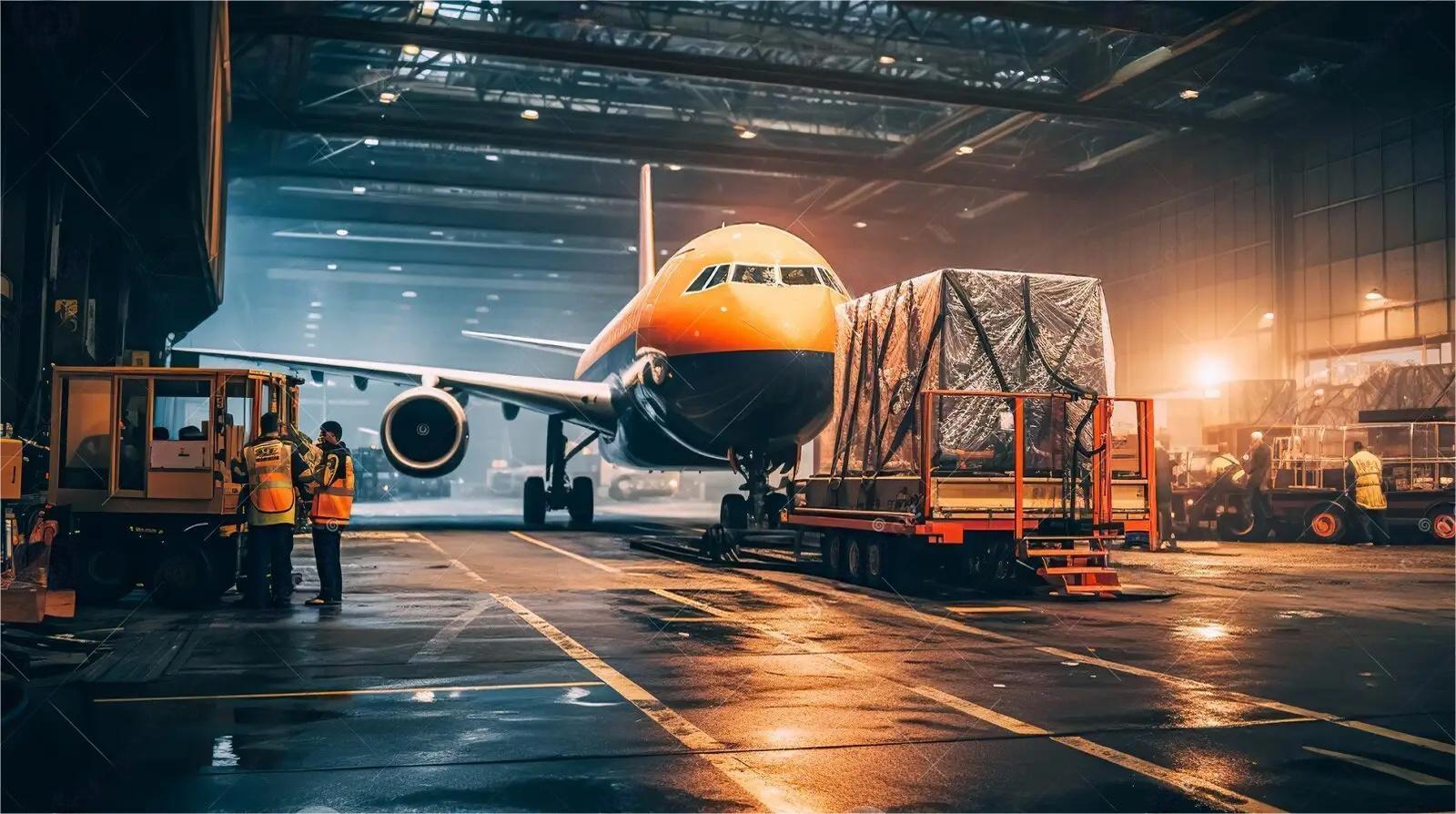
Why Partner with a China Freight Forwarder Bulk Cargo Mexico Expert?
Choosing a specialized partner ensures that your heavy or un-containerized goods receive the correct equipment and storage. Most general logistics providers focus on standard containers, but bulk cargo requires specialized gear like cranes and grabbers.

Furthermore, an experienced forwarder understands the specific requirements of Mexican ports like Manzanillo and Lazaro Cardenas. They can coordinate with local stevedores to minimize discharge times and reduce the risk of port congestion fees.
Additionally, utilizing professional sea freight services allows you to take advantage of economies of scale. This approach significantly lowers the per-unit cost of transporting large quantities of commodities like minerals, grains, or steel.
Understanding Bulk Cargo vs Containerized Shipping to Mexico
Bulk cargo refers to goods that are transported unpackaged in large quantities, such as coal, iron ore, or liquid chemicals. In contrast, containerized shipping involves packing goods into standard 20-foot or 40-foot metal boxes for easier handling.
Moreover, breakbulk shipping is a subset of bulk cargo where items are individually loaded because they are too large for containers. This method is common for transporting heavy machinery, wind turbine blades, or large construction components to North America.
Consequently, the choice between these methods depends entirely on the physical characteristics of your shipment and your budget. While containers offer more protection, bulk shipping is often the only viable option for oversized industrial equipment.
How Does Bulk Shipping Compare to Other Shipping Options?
Evaluating different transportation modes is essential for optimizing your logistics budget and meeting delivery deadlines. While air freight is the fastest option, it is rarely used for bulk cargo due to the extreme weight and volume involved.
On the other hand, maritime shipping remains the backbone of the China-Mexico trade route, offering the highest capacity at the lowest price point. Specifically, for shipments exceeding 15 cubic meters, maritime solutions become significantly more cost-effective than other alternatives.
To clarify these differences, we have provided a comparison table below based on current market trends for the early 2025 period.
| Shipping Method | Cost Range | Transit Time | Best For |
|---|---|---|---|
| Bulk Sea Freight | Low ($40-90/ton) | 30-45 Days | Raw materials, minerals |
| FCL Container | Medium ($3k-5k/40HQ) | 25-35 Days | Finished goods, parts |
| Breakbulk | High ($100+/ton) | 35-50 Days | Oversized machinery |
| Air Freight | Very High ($5-9/kg) | 5-10 Days | Urgent small parts |
Logistics Trends for China Freight Forwarder Bulk Cargo Mexico Routes
Market data suggests that freight rates from China to Mexico have remained relatively stable in Q1 2025 compared to the volatility seen in previous years. However, seasonal peaks during the late summer months still cause temporary price increases of 15-20%.
Indeed, many importers are now looking for integrated customs brokerage solutions to handle the increasing complexity of Mexican import regulations. Proper documentation is vital to avoid lengthy delays at the border or at the port of entry.
Similarly, the shift toward nearshoring in Mexico has increased the demand for raw material shipments from Chinese suppliers. This trend is driving investment in better port infrastructure and faster cargo handling technologies in both regions.
Essential Customs Documents for Mexico Imports
Importing bulk cargo into Mexico requires a specific set of documents to satisfy the requirements of the Servicio de Administracion Tributaria (SAT). Without the correct paperwork, your shipment could face indefinite delays or heavy fines.
Firstly, you must provide a detailed commercial invoice that clearly states the value, quantity, and description of the goods. Secondly, a packing list is required to specify how the cargo is organized and its total weight.
Furthermore, the Bill of Lading (BOL) serves as the contract of carriage and proof of ownership during the maritime journey. For certain commodities, you may also need a Certificate of Origin to qualify for preferential tariff treatments under trade agreements.
Factors Affecting Shipping Costs from China to Mexico
Several variables influence the final price you will pay for transporting bulk cargo across the Pacific Ocean. Fuel surcharges, also known as Bunker Adjustment Factors (BAF), fluctuate based on global oil prices and impact the total freight rate.
In addition, the specific port of loading in China and the port of discharge in Mexico play a major role in pricing. For example, shipping from Shenzhen to Manzanillo might be cheaper than shipping from a northern port like Tianjin due to vessel availability.
Meanwhile, the type of cargo handling required at the port can add significant costs to your invoice. If your goods require specialized heavy-lift cranes or climate-controlled storage, you should expect to pay a premium for these services.
Which Option Should You Choose? Decision Framework
Determining the best shipping strategy requires a clear understanding of your priorities regarding cost, speed, and safety. If your primary goal is to minimize expenses, bulk sea freight is almost always the superior choice for large volumes.
Nevertheless, if you are shipping high-value industrial components that require door-to-door tracking, a door to door container service might be more appropriate. This provides a higher level of security and reduces the number of times your goods are handled.
Ultimately, you should consult with your forwarder to evaluate the trade-offs between different transit times and handling methods. They can provide a tailored quote that reflects the current market conditions and your specific cargo needs.

Real Case Studies: Successful Bulk Cargo Shipments
Examining real-world examples helps illustrate the complexities and successful outcomes of bulk logistics operations. Below are two scenarios based on typical shipments handled during the 2024-2025 period.
+———————————————————+ | Case Study 1: Steel Coil Distribution | | Route: Tianjin, China to Manzanillo, Mexico | | Cargo: Cold-rolled steel coils, 500 Metric Tons | | Shipping Method: Bulk Carrier (Breakbulk) | | | | Shipping Details: | | – Carrier: Major bulk vessel operator | | – Timeline: 38 Days total transit | | – Cost: Approximately $45,000 total landed cost | | | | Key Insight: Pre-booking space 4 weeks in advance | | saved the client 12% on peak season surcharges. | +———————————————————+
+———————————————————+ | Case Study 2: Mining Equipment Transport | | Route: Shanghai, China to Lazaro Cardenas, Mexico | | Cargo: Industrial Excavator Parts, 120 CBM | | Shipping Method: Flat Rack & Breakbulk Hybrid | | | | Shipping Details: | | – Carrier: Specialized heavy-lift vessel | | – Timeline: 42 Days door-to-door | | – Cost: $28,500 including customs and inland transport | | | | Key Insight: Using a specialized forwarder for customs | | prevented a 10-day delay regarding duty classification. | +———————————————————+
Note: Freight rates are subject to change based on fuel costs, carrier capacity, and seasonal demand. Contact us for a current quote tailored to your specific shipment.
Mastering Bulk Cargo Logistics from China to Mexico
Navigating the complexities of international trade requires a strategic approach and a reliable partner. By understanding the nuances of bulk cargo handling and staying informed about market trends, you can significantly improve your supply chain efficiency.
Indeed, working with a professional china freight forwarder bulk cargo mexico allows you to focus on your core business while we handle the logistics. From customs clearance to final delivery, having the right support makes all the difference in the competitive global market.
Consequently, investing time in selecting the right shipping method and preparing the necessary documentation will pay off in reduced costs and faster transit times. We look forward to helping you manage your next bulk shipment with precision and care.
Ready to streamline your logistics?
Streamline your international logistics today by partnering with an expert china freight forwarder bulk cargo mexico. Our team is ready to provide you with a competitive quote and a customized shipping plan that meets your specific business needs. Visit our contact page to send an inquiry and start your shipment process now.
Request Quote