
Cheap Shipping from China for Ecommerce: 2025 Cost-Saving Guide
Finding cheap shipping from china for ecommerce is the primary challenge for modern digital entrepreneurs looking to maintain healthy profit margins. At China Shipping Hub, we specialize in bridging the gap between high-quality manufacturing and affordable global distribution. Consequently, understanding the nuances of international logistics is essential for any business owner who wants to scale their operations without overspending on freight. This comprehensive guide will explore various shipping methods, cost-saving strategies, and market trends to help you navigate the complex world of global trade efficiently.

Why Cheap Shipping from China for Ecommerce is Essential
In the competitive world of online retail, the cost of moving goods from the factory to the consumer can make or break a business model. Therefore, securing cheap shipping from china for ecommerce is not just a luxury but a fundamental necessity for survival. Moreover, high shipping costs often lead to abandoned carts and reduced customer loyalty if those costs are passed on to the buyer.
Additionally, the global supply chain has become increasingly volatile in recent years due to fluctuating fuel prices and geopolitical shifts. Nevertheless, savvy ecommerce sellers can still find competitive rates by leveraging high-volume discounts and choosing the right logistics partners. Indeed, the difference between a successful store and a failing one often lies in the efficiency of their cargo handling and delivery schedule.
Furthermore, choosing an affordable shipping method allows you to reinvest those savings into marketing or product development. Consequently, your business can grow faster while maintaining a strong brand presence in the global marketplace. Meanwhile, you must balance cost with transit time to ensure that your customers remain satisfied with their purchase experience.
Comparing Shipping Methods for Ecommerce Sellers
When searching for cheap shipping from china for ecommerce, you must evaluate several distinct transport modes. For instance, sea freight is widely regarded as the most economical option for large, heavy shipments. However, it comes with the longest transit times, which may not suit businesses with fast-turning inventory.
On the other hand, air freight offers significantly faster delivery but at a much higher price point per kilogram. Therefore, it is typically reserved for high-value items or urgent restocks that cannot wait for a container ship. Additionally, rail freight has emerged as a middle-ground solution for shipments to Europe, offering a balance between speed and cost.
Furthermore, for smaller parcels, an express service might be the most practical choice. Although the unit cost is higher, the convenience of door-to-door delivery and simplified customs can save your business valuable time and administrative overhead. Consequently, your choice should align with your specific cargo size and customer expectations.
| Method | Cost Level | Transit Time | Best For |
|---|---|---|---|
| Sea Freight | Very Low | 30-45 Days | Bulk Inventory |
| Rail Freight | Medium | 18-22 Days | Mid-size Shipments |
| Air Freight | High | 5-10 Days | High-value Goods |
| Express | Very High | 3-5 Days | Small Samples |
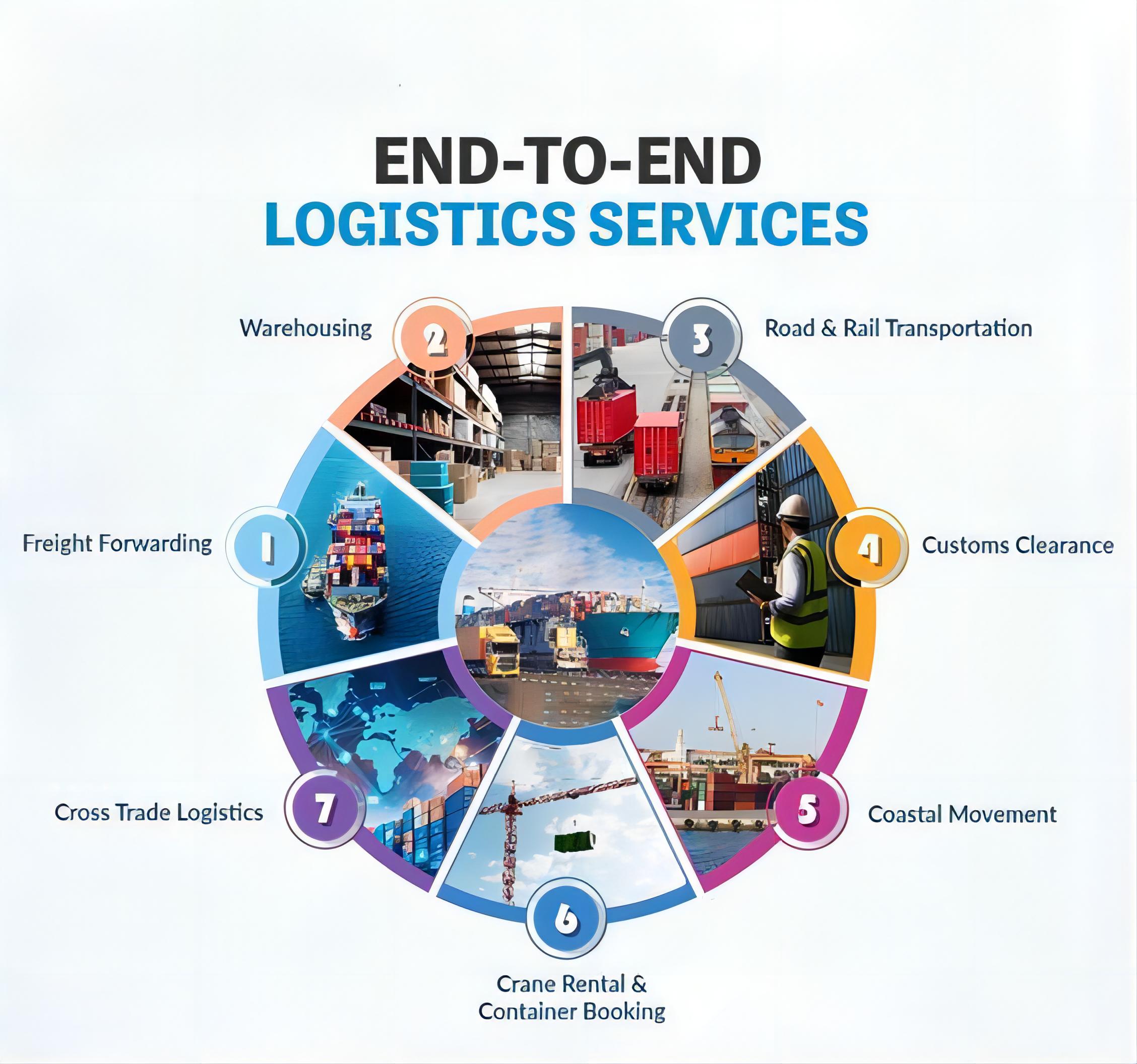
How Does Sea Freight Compare to Other Shipping Options?
Sea freight remains the backbone of international trade because it offers the lowest cost per unit for high-volume shipments. For example, while sea freight costs $2,000 to $3,500 for a 40HQ container to the US West Coast, air freight for the same volume would cost $15,000 to $25,000. Consequently, for businesses moving large quantities of goods, the ocean is the only viable path for maintaining profitability.
However, sea freight requires meticulous planning due to its lengthy transit times. Moreover, you must account for port congestion and potential weather delays that can extend the delivery schedule by several weeks. In contrast, rail freight from China to Europe offers a faster alternative that is still significantly cheaper than air transport.
Additionally, when comparing FCL (Full Container Load) and LCL (Less than Container Load), sellers must consider their inventory needs. For shipments under 15 CBM, LCL at $50-80 per CBM may be more economical than paying for a full container that is half empty. Therefore, analyzing your specific volume is crucial for achieving the cheapest shipping rates.
| Shipping Method | Cost Range | Transit Time | Best For | Limitations |
|---|---|---|---|---|
| Sea (FCL) | $1,500-$4,000 | 20-40 Days | Massive Volume | Slowest Speed |
| Sea (LCL) | $50-$150/CBM | 25-45 Days | Small Batches | Handling Risks |
| Rail Freight | $1.50-$3.00/kg | 15-25 Days | Europe Routes | Limited Routes |
| Air Freight | $4.00-$8.00/kg | 5-10 Days | Urgent Stock | High Expense |
Which Option Should You Choose for Your Business?
Deciding on the best logistics strategy depends on your specific business priorities and budget constraints. If your primary goal is the absolute lowest cost, then sea freight is undoubtedly the winner for most ecommerce categories. However, if you are launching a new product and need to test the market quickly, air freight might be a better initial investment.
Consequently, many successful sellers utilize a hybrid approach. For instance, they might ship 80 percent of their inventory via sea to keep costs down and 20 percent via air to ensure they never go out of stock. This strategy provides a safety net while still taking advantage of cheap shipping from china for ecommerce for the bulk of their goods.
Furthermore, consider the nature of your products. Fragile or perishable items may require the speed of air travel to minimize the risk of damage or spoilage. Meanwhile, durable consumer goods like electronics or apparel are perfectly suited for the slower, more cost-effective sea routes.
Strategies to Reduce Your Shipping Costs
One of the most effective ways to achieve cheap shipping from china for ecommerce is through cargo consolidation. By combining multiple smaller orders into a single shipment, you can often qualify for better freight rates and reduce the per-unit cost of customs clearance. Additionally, optimizing your packaging to reduce dimensional weight can lead to significant savings on air and express shipments.
Moreover, building a strong relationship with a reliable freight forwarder can provide access to better rates that are not available to the general public. For example, a professional customs brokerage service can help you navigate complex regulations and avoid costly fines or delays. Consequently, investing in expert advice often pays for itself through reduced logistics expenses.
Furthermore, you should consider the timing of your shipments. Shipping during the off-peak season can save you 15 to 25 percent compared to the busy Q4 period. Therefore, planning your inventory cycles to avoid the August to October rush is a smart way to maintain a low shipping budget throughout the year.
Cheap Shipping from China for Ecommerce: Case Studies
To illustrate how different strategies work in practice, let us look at some real-world examples from the 2024-2025 market. These cases highlight the importance of choosing the right method for the specific route and cargo type.
Case Study 1: Shenzhen to Los Angeles. A home decor retailer shipped 15 CBM of wooden furniture using LCL sea freight. By choosing a direct route instead of transshipment, they saved 5 days in transit. The total landed cost was $2,450, and the goods arrived in 18 days. This allowed the seller to maintain a 40 percent profit margin even with competitive pricing.
Case Study 2: Ningbo to Hamburg. An electronics brand utilized rail freight for a shipment of 500kg of power banks. Rail was chosen because it was 40 percent cheaper than air freight and twice as fast as sea freight. The transit time was 22 days, and the cost was $1,100, providing a perfect balance for their mid-tier product line.
Case Study 1: Sea Freight to North America
Route: Shenzhen, China to Los Angeles, USA. Cargo: Plastic Kitchenware, 28 CBM, 4500 kg. Container: 20GP. Shipping Details: Major carrier (COSCO), Port of Loading: Shenzhen, Port of Discharge: Los Angeles. Route Type: Direct. Cost Breakdown: Ocean Freight: $1,950; Origin Charges: $350; Destination Charges: $450; Customs and Duties: $800; Total Landed Cost: $3,550. Timeline: Booking to Loading: 3 days; Sea Transit: 16 days; Customs Clearance: 2 days; Total Door-to-Door: 21 days. Key Insight: Booking 4 weeks in advance during the Q1 lull secured a rate 15 percent below the annual average.
Case Study 2: Rail Freight to Europe
Route: Chengdu, China to Warsaw, Poland. Cargo: Textile Apparel, 12 CBM, 1800 kg. Container: LCL. Shipping Details: China-Europe Railway Express. Port of Loading: Chengdu Rail Terminal. Port of Discharge: Warsaw Terminal. Route Type: Direct Rail. Cost Breakdown: Rail Freight: $1,650; Origin Charges: $200; Destination Charges: $300; Customs and Duties: $1,200; Total Landed Cost: $3,350. Timeline: Booking to Loading: 4 days; Rail Transit: 18 days; Customs Clearance: 3 days; Total Door-to-Door: 25 days. Key Insight: Rail provided a vital middle ground when sea freight rates spiked due to Red Sea disruptions in 2024.
Optimizing Amazon FBA Shipping from China
For many sellers, Amazon FBA is the primary sales channel. Consequently, finding cheap shipping from china for ecommerce specifically for FBA warehouses is a top priority. This requires a logistics partner who understands Amazon’s strict labeling and palletization requirements to avoid expensive rejection fees at the fulfillment center.
Additionally, using a door to door service can simplify the process significantly. This service handles everything from the factory floor to the Amazon warehouse dock, including customs clearance and final mile delivery. Although it might seem more expensive upfront, the reduction in administrative errors and lost shipments often makes it the most cost-effective choice in the long run.
Furthermore, consider shipping to regional hubs. For example, North America has various entry points, and shipping to the West Coast is generally cheaper and faster than shipping to the East Coast. By strategically choosing your FBA warehouse locations, you can further optimize your logistics spend.
Navigating Customs and Import Duties
Hidden costs in customs can quickly destroy any savings you made on freight rates. Therefore, understanding the HS codes for your products is essential for accurate duty calculation. Moreover, working with an experienced broker ensures that your paperwork is in order, preventing costly storage fees at the port of entry.
Additionally, some countries offer duty de minimis values, where shipments below a certain price are exempt from taxes. For instance, the US has an $800 threshold for Section 321 entries. Consequently, small ecommerce businesses can often achieve cheap shipping from china for ecommerce by splitting shipments to stay under these limits, provided the logistics costs of splitting do not outweigh the tax savings.

Mastering Your Ecommerce Logistics
In summary, achieving cheap shipping from china for ecommerce requires a combination of strategic planning, method selection, and expert partnerships. By understanding the trade-offs between speed and cost, you can build a resilient supply chain that supports your business growth. Whether you choose sea, air, or rail, the key is to remain flexible and informed about market trends.
As we move through 2025, the logistics landscape will continue to evolve. However, the core principles of consolidation, early booking, and proper documentation will always remain the foundation of cost-effective shipping. Start implementing these strategies today to ensure your ecommerce venture remains profitable and competitive in the years to come.

Ready to streamline your logistics?
Maximizing your ecommerce profits starts with a smarter logistics strategy. Our team is ready to help you find the most reliable and cheap shipping from china for ecommerce today. Contact China Shipping Hub for a personalized quote and let us streamline your global supply chain. Visit our contact page to start saving on your next shipment: https://chinashippinghub.com/
Request Quote