China Shipping Hub provides complete logistics solutions for shipments from China to Croatia, serving businesses, importers, and individual clients. Our experienced operations team manages all types of cargo—from industrial machinery to consumer goods—ensuring secure handling, timely delivery, and smooth coordination. By leveraging robust transport networks and trusted carrier partnerships, we make shipping to Croatia efficient, reliable, and fully transparent from origin to destination.
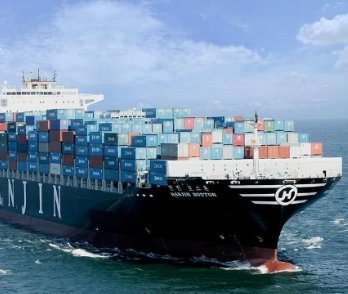
China Shipping Hub offers ocean freight services to Croatia via major European ports such as Rijeka, Split, and Ploče. Both full container loads (FCL) and less than container loads (LCL) are carefully supervised during loading and stowage to ensure cargo integrity throughout transit. Sea freight provides a cost-effective solution for bulky or non-urgent shipments, including industrial goods, raw materials, and commercial merchandise, with optimized routes and regular departures to guarantee timely arrival.

For urgent or high-value shipments, China Shipping Hub provides air freight from China to Croatia, coordinating flights to Zagreb, Split, and Dubrovnik airports. Our air logistics service ensures fast transit, careful cargo handling, full customs clearance, and real-time tracking from origin to destination. Air freight is particularly suitable for electronics, perishable goods, fashion items, and other time-sensitive cargo that requires speed and reliability.

China Shipping Hub provides full door-to-door shipping services from China to Croatia. We pick up cargo directly from your supplier or warehouse, handle all export documentation and customs clearance, manage international freight transport, and deliver directly to your specified address in Croatia. This end-to-end service reduces operational complexity, simplifies logistics, and ensures your shipments arrive safely, efficiently, and on schedule.

Our FCL service is designed for large-volume shipments requiring dedicated container space. China Shipping Hub oversees container allocation, secure loading, and optimized routing to guarantee safe and timely delivery. FCL shipping is ideal for manufacturers and importers transporting bulk products, heavy machinery, or other large-scale commercial shipments, providing reliable handling and predictable transit schedules.
For smaller shipments, China Shipping Hub offers LCL services, consolidating multiple consignments into shared containers while ensuring careful separation and monitoring. This approach offers cost efficiency, flexible scheduling, and reliable delivery to warehouses or distribution centers in Croatia. LCL shipping is ideal for SMEs, e-commerce businesses, and partial cargo shipments that do not require a full container.
China Shipping Hub provides eco-friendly, efficient pickup services across China. We simplify cargo collection, optimize routes, and reduce costs and emissions, ensuring a sustainable start to your logistics journey.

China Shipping Hub offers complimentary warehousing services, providing secure, organized, and efficient storage solutions to protect your goods throughout the entire logistics journey.

China Shipping Hub offers comprehensive cargo insurance, ensuring full protection for your goods throughout the entire journey to any Amazon FBA warehouse.

China Shipping Hub handles all documentation and administrative tasks for you, ensuring a smooth and stress-free shipping experience from start to finish.
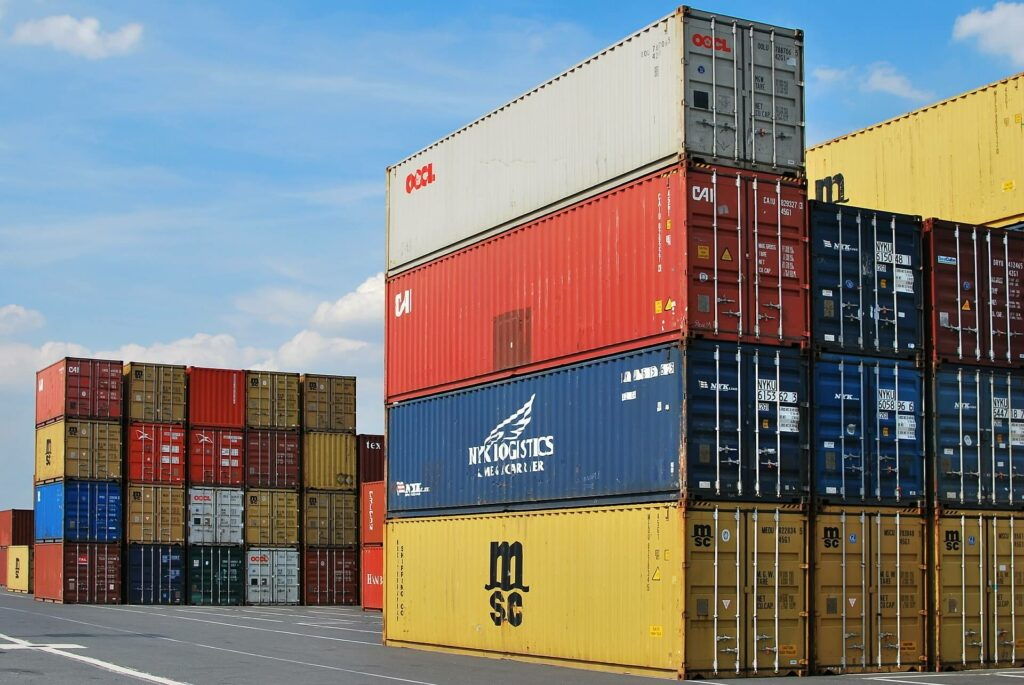
China Shipping Hub guarantees secure packaging and precise loading of your cargo at your supplier’s facility, ensuring full protection throughout the entire transit.

China Shipping Hub combines ocean, air, and door-to-door logistics to provide comprehensive shipping solutions to Croatia. We handle customs clearance professionally, supervise container loading and cargo consolidation, and ensure secure, tracked transport throughout the journey. With nationwide pickup across China, real-time shipment tracking, 24/7 customer support, and transparent pricing for shipments of all sizes, we deliver a seamless, dependable, and cost-effective logistics experience for every client.
To ensure proper insurance coverage, obtain a detailed insurance policy from your freight forwarder. Verify that it covers all potential risks, including loss, theft, and damage. For high-value or fragile items, consider additional insurance. Review the policy’s terms and conditions to understand coverage limits and exclusions.
When selecting a freight forwarder, consider their track record, customer reviews, and service offerings. Verify their experience with international shipments, particularly to Croatia. Check for comprehensive insurance coverage, reliable tracking systems, and their ability to handle customs procedures effectively. Ensure they offer transparent pricing and are compliant with both Chinese and Croatian regulations.
Common customs regulations include declaring the value of goods accurately, providing necessary documentation like invoices and certificates of origin, and complying with Croatian import restrictions and duties. Ensure that all paperwork is complete and correct to avoid delays or fines. Familiarize yourself with any specific regulations related to your type of cargo.
Proper preparation includes using high-quality packaging materials suited for your goods. For fragile items, use bubble wrap or foam padding, and for heavy items, use strong, reinforced containers. Securely seal packages and label them clearly. Ensure that packaging meets both Chinese and Croatian transport standards to reduce the risk of damage.
If delayed, first check the tracking information for updates. Contact your freight forwarder to inquire about the delay and obtain estimated new delivery times. Review any potential issues that might have caused the delay, such as customs processing or logistical challenges. Keep in communication with your forwarder to address any concerns promptly.
During customs clearance, you can monitor the progress through the tracking portal of your freight forwarder if they offer this service. Additionally, stay in touch with your forwarder for updates on any customs issues or delays. Ensure that all required documentation is accurate and complete to facilitate smooth processing.
Third-party tracking tools aggregate data from various carriers, offering a unified view of your shipment’s status. They often provide enhanced features such as real-time updates, alerts for delays, and historical tracking information. These tools can simplify monitoring by consolidating information from multiple sources into a single interface.
Verify credentials by checking for industry certifications, such as those from international freight forwarding associations. Review customer testimonials and case studies. Contact their references and evaluate their experience with shipments to Croatia. Ensure they comply with local and international regulations and have a solid track record in the industry.
Typical costs include freight charges, fuel surcharges, insurance premiums, customs duties, and handling fees. Charges vary based on factors like shipment size, weight, and transport mode (air, sea, or land). Request detailed quotes from multiple forwarders to compare costs and understand the full scope of expenses.
The choice of transport mode significantly affects both shipping times and costs. Air freight is faster but more expensive, suitable for urgent or high-value shipments. Sea freight is more cost-effective for larger or bulkier shipments but takes longer. Evaluate your priorities regarding speed and budget to select the appropriate transport mode.
Operations deal with the way the vehicles are operated, and the procedures set for this purpose, and policies. In the transport industry, operat ions and ownership of infrastructure can be either country.