
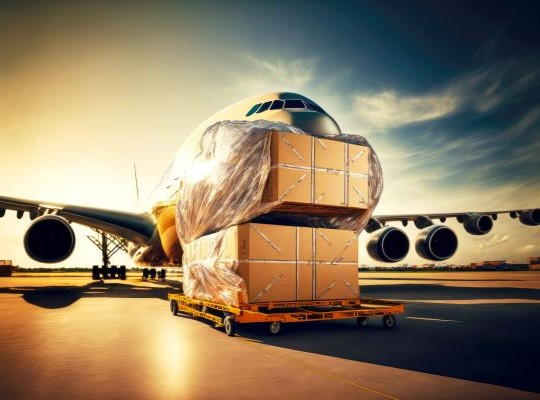
The shipping time from China to Germany depends on the transport method, origin and destination cities, customs clearance, and final-mile delivery requirements. For businesses managing international trade, understanding realistic transit times can help control inventory, plan purchasing schedules, and avoid supply chain delays. This guide explains the main shipping options, typical delivery times, customs considerations, and practical ways to make transportation from China to Germany more efficient.
What Affects Shipping Time from China to Germany?
The shipping time from China to Germany is not a fixed number. Instead, it depends on several stages of the logistics process, from cargo pickup in China to final delivery in Germany.
The main factors include:
- Shipping method: Sea freight is generally slower than air freight, while rail freight offers a middle ground.
- Origin city in China: Shenzhen, Guangzhou, Shanghai, Ningbo, Qingdao, and other logistics hubs have different departure schedules.
- Destination: Delivery to Hamburg, Frankfurt, Munich, Berlin, or other German cities can require different inland transportation arrangements.
- Customs clearance: Complete and accurate documents can help prevent unnecessary delays.
- Cargo type: General cargo is usually easier to process than goods requiring special handling or additional inspections.
- Seasonal demand: Peak periods before major holidays can increase booking pressure and port congestion.
- Final-mile delivery: Door-to-door transportation includes additional time after the cargo reaches Germany.
Therefore, businesses should consider the total delivery schedule, rather than looking only at the international transit time.
How Long Does Shipping from China to Germany Take?
Different transportation methods offer different balances between speed, cost, and capacity. For most importers, the choice depends on cargo volume, delivery deadlines, and available logistics budget.
| Shipping Method | Estimated Transit Time | Cost Level | Best For |
|---|---|---|---|
| Sea Freight | 30–45 days | Low | Large or non-urgent shipments |
| Rail Freight | 16–25 days | Medium | Time-sensitive cargo with moderate budgets |
| Air Freight | 3–7 days | High | Urgent and high-value cargo |
| Express | 2–5 days | Very High | Small, urgent shipments |
These are general estimates rather than guaranteed delivery times. Actual transit time can change because of port congestion, vessel schedules, customs inspections, weather, holidays, and inland transportation.
For businesses importing large quantities, sea freight from China to Germany is often the most economical option. However, air freight may be more appropriate when delays could cause stock shortages or disrupt production.
What Are the Main Shipping Options from China to Germany?
Choosing the right transportation method is one of the most important decisions in China import and export logistics. Each option has a different role within the supply chain.
Sea Freight
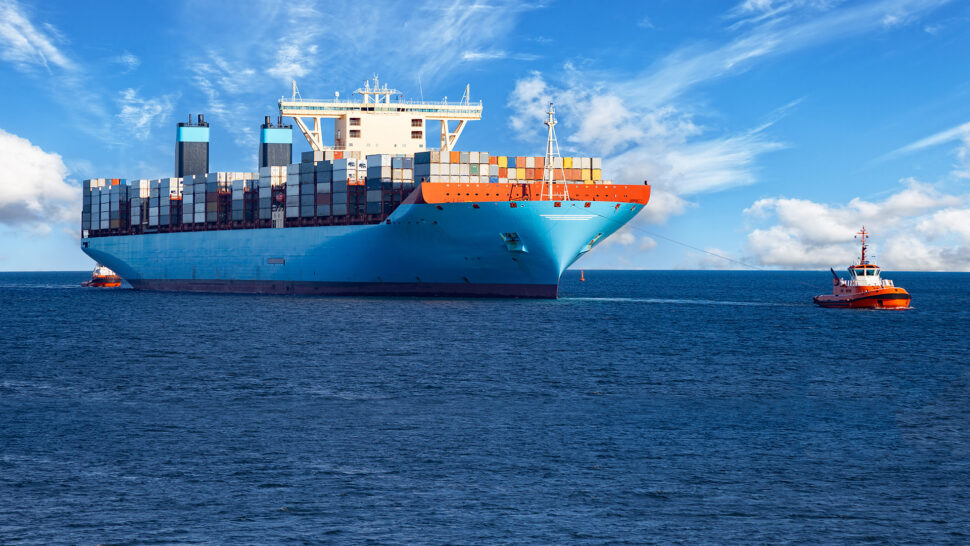
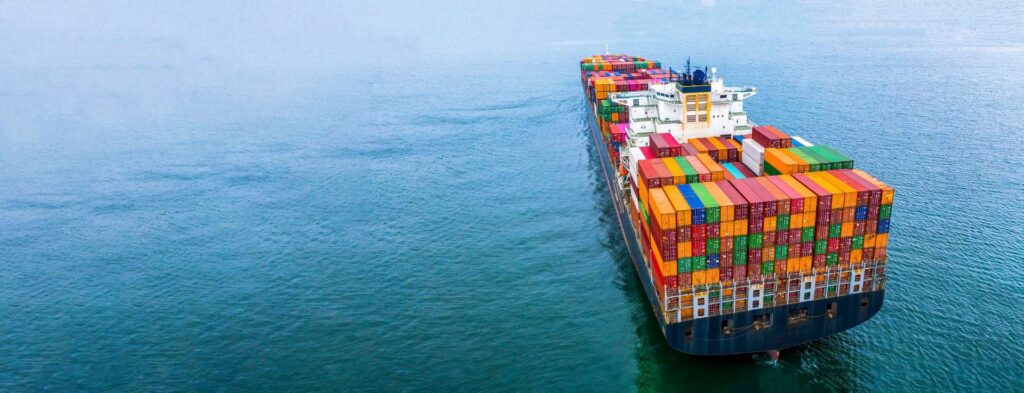
Sea freight is widely used for commercial cargo because it offers high capacity and relatively competitive shipping costs from China.
FCL, or Full Container Load, is suitable when a shipment can efficiently use an entire container. LCL, or Less than Container Load, allows several shipments to share container space and can be useful for smaller volumes.
For example, cargo may depart from Shanghai, Ningbo, Shenzhen, Guangzhou, or Qingdao and arrive at major German logistics gateways such as Hamburg. From there, a freight forwarder can arrange customs clearance and inland transportation.
Rail Freight
Rail freight provides a balance between speed and cost. It can be considerably faster than traditional ocean transportation while generally costing less than air freight.
This option can be attractive for businesses that need faster China international shipping solutions but do not require the speed of air transportation. However, schedules, routes, capacity, and service availability can vary.
Air Freight
Air freight is the fastest conventional option for international cargo transportation. It is particularly useful for urgent shipments, samples, high-value goods, and products with short inventory cycles.
The main disadvantage is cost. Because air freight rates are calculated largely according to chargeable weight and space, large or heavy shipments can become expensive.
Express Shipping
Express services are generally designed for smaller shipments that need rapid delivery. They can simplify transportation and customs procedures, but the price per kilogram is usually higher.
How Do China-to-Germany Shipping Costs Work?
Shipping costs from China to Germany depend on more than the transportation method. Businesses should evaluate the complete logistics quotation instead of comparing only the basic freight rate.
Common cost components include:
- Origin pickup and local transportation
- Export customs clearance
- Ocean, rail, or air freight
- Terminal handling charges
- Documentation fees
- Import customs clearance
- Duties and taxes, where applicable
- Warehousing and storage
- Delivery to the final destination
- Insurance, if required
Moreover, the pricing structure differs by transport mode. Sea freight may be quoted by container or cubic meter, while air freight is commonly based on chargeable weight.
For companies comparing China freight rates, it is important to confirm what is included in each quotation. A low headline rate may not represent the lowest total landed cost if several destination or handling charges are excluded.
What Is the Customs Clearance Process in Germany?
Customs clearance is an important part of the shipping process. Even when international transit is completed on schedule, incomplete documentation can delay cargo at the destination.
Typical documents may include:
| Document | Purpose |
| Commercial Invoice | Declares transaction value and product details |
| Packing List | Shows packaging, quantities, and shipment information |
| Bill of Lading / Air Waybill | Confirms transportation details |
| Import Documentation | Supports customs entry |
| EORI Information | Identifies the importing business for customs purposes |
| Certificate of Origin | Provides origin information when required |
The exact documentation depends on the shipment, product category, trade terms, and customs requirements.
Businesses should also ensure that product descriptions, quantities, values, HS codes, and consignee information are accurate. In addition, the importer should understand applicable duties, VAT, and regulatory requirements before shipment.
A professional provider offering customs clearance from China and destination support can help reduce documentation errors and improve the overall delivery process.
How Can Businesses Reduce Shipping Delays?
Reducing delays requires preparation before the cargo leaves China. In many cases, problems that appear to be transportation delays actually originate from documentation, booking, packaging, or inaccurate shipment information.
Here are several practical approaches:
Book Transportation Early
During peak seasons, available vessel, rail, and air capacity can become limited. Therefore, businesses should make bookings early when delivery dates are important.
Prepare Customs Documents in Advance
Make sure commercial invoices, packing lists, HS codes, and other required information are ready before cargo departure. This can make customs processing smoother.
Choose the Right Freight Forwarder
An experienced freight forwarder can coordinate suppliers, transportation providers, customs brokers, warehouses, and final delivery. As a result, businesses have one point of coordination instead of managing multiple logistics providers independently.
Build Buffer Time into the Schedule
International shipping always involves variables. A delivery plan should include reasonable buffer time for congestion, inspections, weather, and other unexpected events.
Track the Shipment
Regular tracking allows businesses to identify changes to the delivery schedule earlier. This is particularly important for inventory planning and production management.
How Should You Choose a China-to-Germany Freight Forwarder?
A freight forwarder does more than arrange transportation. For businesses engaged in regular international trade, the right logistics partner can support the entire shipment process.
When comparing freight forwarding from China, consider the following:
- Coverage of Chinese origin cities – The provider should be able to collect cargo from major manufacturing and logistics regions.
- Germany delivery capability – Check whether the service covers major German cities and inland destinations.
- Multiple transportation options – Access to sea, rail, air, and multimodal services provides greater flexibility.
- Customs support – Customs documentation and clearance should be handled by experienced professionals.
- Transparent pricing – Ask for a quotation showing the major charges and service scope.
- Shipment tracking – Reliable updates help businesses manage inventory and customer commitments.
- Door-to-door capability – For many importers, integrated transportation is easier than coordinating separate providers.
Additionally, a strong logistics provider should understand the customer’s supply chain rather than simply selling transportation space.
Which Shipping Method Is Best for Your Business?
There is no single best solution for every shipment. Instead, the right choice depends on the relationship between urgency, cargo volume, budget, and inventory requirements.
Choose sea freight when cost efficiency and large capacity are the priorities. It works well for regular replenishment, bulky cargo, and shipments that can tolerate longer transit times.
Choose rail freight when you need a faster alternative to sea transportation while maintaining better cost control than air freight.
Choose air freight when speed is critical and the additional transportation cost is justified by the value or urgency of the cargo.
Choose express shipping when the shipment is relatively small and requires fast delivery with minimal handling complexity.
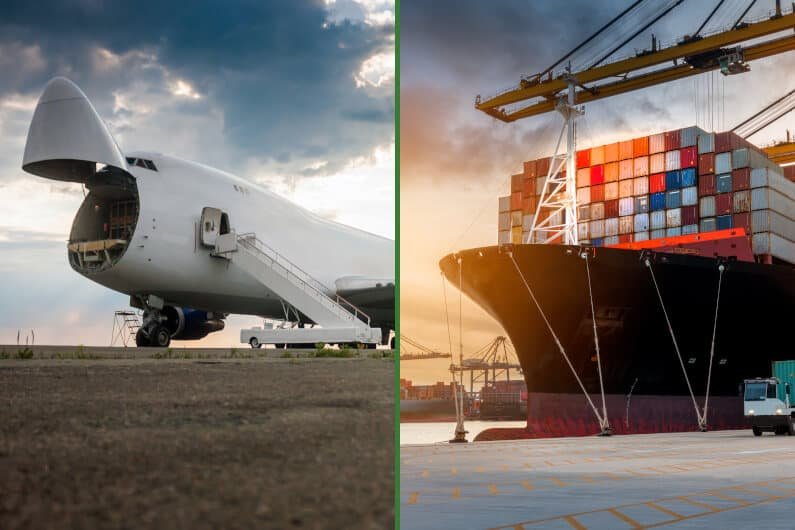
Moreover, businesses do not always need to use the same method for every shipment. A company may use sea freight for standard inventory while using air freight for urgent replenishment. This approach can create a more flexible supply chain and help balance logistics costs.
Request a Quote Today!
Need reliable shipping time from China to Germany for your next shipment? Contact a logistics specialist for a customized transportation plan, competitive freight quotation, customs support, and door-to-door delivery options. A professional consultation can help you select the most suitable shipping method based on your cargo, budget, and delivery schedule.
📦 Frequently Asked Questions
1. How long does shipping from China to Germany take?
Sea freight usually takes around 30–45 days, while rail freight may take approximately 16–25 days. Air freight can take about 3–7 days, excluding certain pickup, customs, and final-delivery stages. Actual transit time varies according to the origin, destination, carrier schedule, customs clearance, and transportation service selected.
2. What is the cheapest way to ship from China to Germany?
Sea freight is generally the most economical option for large shipments. FCL can provide good value for full containers, while LCL may be more suitable for smaller cargo volumes. However, the cheapest option should be evaluated using total landed cost rather than the basic freight rate alone.
3. Is rail freight from China to Germany faster than sea freight?
Yes. Rail freight is generally faster than sea freight and can provide a useful balance between transit time and cost. Typical rail transit may take around 16–25 days, although actual schedules depend on the route, service availability, border procedures, and final-mile delivery arrangements.
4.How much does it cost to ship goods from China to Germany?
There is no fixed price because shipping costs depend on cargo volume, weight, shipping method, origin, destination, season, and service requirements. Additional charges may include customs clearance, terminal handling, local transportation, duties, taxes, and delivery fees.
5. What documents are needed for shipping from China to Germany?
Common documents include a commercial invoice, packing list, bill of lading or air waybill, and customs-related information. Depending on the shipment, additional documents may be required. Accurate product descriptions, HS codes, declared values, and importer information are important for smooth customs processing.
6. Can I ship goods from China directly to a German warehouse?
Yes. Door-to-door and warehouse delivery services can connect a Chinese supplier with a German warehouse. A freight forwarder can coordinate pickup, international transportation, customs clearance, and inland delivery, allowing businesses to manage the shipment through a single logistics provider.