

Choosing the right international cargo shipping company has a direct impact on shipping costs, delivery schedules, and customer satisfaction. Whether you are importing products for retail, supplying manufacturing facilities, or fulfilling e-commerce orders, selecting an experienced logistics partner reduces risks throughout the supply chain.
Many businesses compare freight rates without considering transit reliability, customs clearance efficiency, or shipment visibility. However, these factors often have a greater effect on total logistics costs than the freight charge alone.
This guide explains how an international cargo shipping company manages global cargo through actual shipping examples, realistic transit times, and practical cost comparisons.
What Does an International Cargo Shipping Company Do?
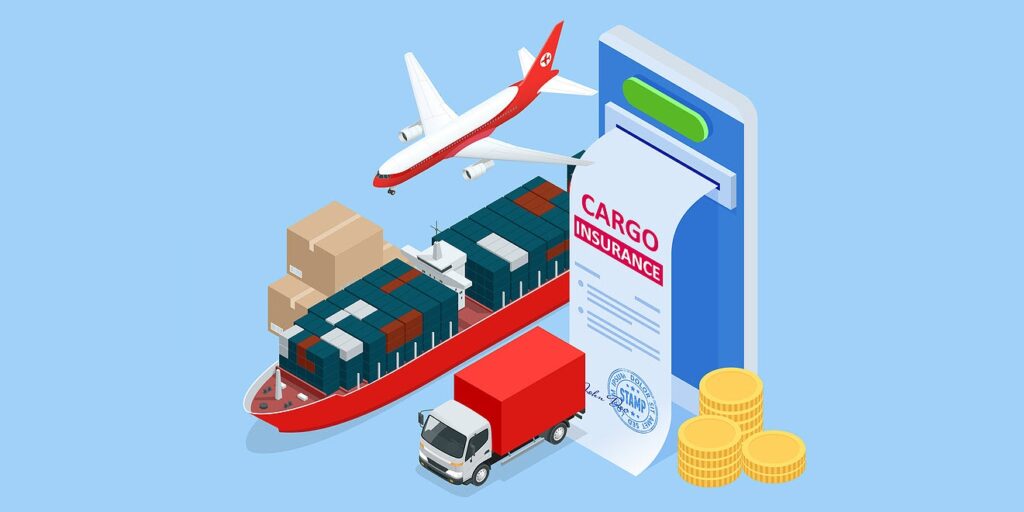
An international cargo shipping company coordinates every stage of overseas transportation, including:
- Export documentation
- Cargo pickup
- Warehousing
- Container booking
- Air freight arrangements
- Ocean freight management
- Customs clearance
- Cargo insurance
- Door-to-door delivery
- Shipment tracking
Instead of arranging each service separately, businesses can work with one logistics provider that manages the entire transportation process.
As a result, communication becomes easier while shipment delays are reduced.
Why Businesses Choose an International Cargo Shipping Company
Global trade involves multiple transportation partners, customs authorities, shipping lines, and local delivery companies. Consequently, professional freight management becomes increasingly valuable.
Major benefits include:
- Lower transportation costs
- Stable delivery schedules
- Better cargo visibility
- Professional customs support
- Reduced documentation errors
- Flexible shipping options
- Faster problem resolution
Furthermore, experienced logistics providers can recommend the most suitable shipping method according to cargo volume, urgency, and destination.
Real Case 1: Ocean Freight from Shenzhen to Los Angeles
A consumer electronics importer needed to transport 18 CBM of cargo from Shenzhen to Los Angeles.
Shipment Details
| Item | Data |
|---|---|
| Origin | Shenzhen, China |
| Destination | Los Angeles, USA |
| Cargo Volume | 18 CBM |
| Shipping Method | LCL Sea Freight |
| Transit Time | 24 days |
| Customs Clearance | 3 days |
| Total Delivery Time | 31 days |
| Freight Cost | USD 1,620 |
| Local Charges | USD 410 |
| Total Logistics Cost | USD 2,030 |
Because the shipment volume did not justify a full container, LCL shipping reduced transportation expenses by approximately 28% compared with booking a 20GP container.
Additionally, shipment tracking allowed the importer to prepare warehouse receiving schedules before cargo arrival.
Real Case 2: Air Freight from Shenzhen to Frankfurt
A medical equipment distributor required urgent replenishment for a European warehouse.
Shipment Details
| Item | Data |
|---|---|
| Origin | Shenzhen |
| Destination | Frankfurt, Germany |
| Gross Weight | 520 kg |
| Chargeable Weight | 612 kg |
| Shipping Method | Air Freight |
| Flight Time | 1 day |
| Customs Clearance | 2 days |
| Total Delivery Time | 5 days |
| Freight Rate | USD 4.95/kg |
| Total Freight Cost | USD 3,029 |
Although air freight cost significantly more than ocean freight, the importer avoided stock shortages valued at more than USD 42,000, making faster delivery economically worthwhile.
How an International Cargo Shipping Company Reduces Costs
Professional logistics planning focuses on reducing the overall landed cost instead of simply finding the cheapest freight rate.
Common strategies include:
Consolidating Shipments
Combining multiple orders into one shipment lowers handling costs and improves container utilization.
Selecting the Appropriate Shipping Method
Urgent cargo can travel by air, while regular inventory is shipped by sea to balance speed and cost.
Optimizing Container Space
Efficient cargo loading minimizes unused space and reduces transportation costs per unit.
Preparing Customs Documentation
Complete paperwork helps avoid inspection delays, storage charges, and unnecessary penalties.
Planning Delivery Schedules
Booking space in advance often provides more stable freight rates and better vessel availability.

Common Mistakes Importers Should Avoid
Many shipping delays are caused by preventable errors rather than transportation itself.
Examples include:
- Incorrect commercial invoices
- Missing packing lists
- Underestimating customs processing time
- Choosing air freight for non-urgent cargo
- Selecting LCL when FCL is more economical
- Ignoring destination import regulations
- Booking shipments too close to peak seasons
Therefore, careful planning usually produces more reliable delivery performance.
How to Choose the Right International Cargo Shipping Company
Before selecting a logistics partner, compare more than price.
Important evaluation criteria include:
- International shipping experience
- Global agent network
- Customs clearance expertise
- Shipment tracking capability
- Transparent quotations
- Response speed
- Cargo insurance options
- Customer support
- Stable carrier partnerships
Additionally, ask for recent shipping examples that match your destination and cargo type.

Request a Quote Today!
Looking for a reliable international cargo shipping company? Our experienced logistics team is ready to help you ship cargo safely and efficiently across the globe. Whether you need sea freight, air freight, FCL, LCL, or door-to-door shipping, we’ll provide a tailored solution based on your cargo, destination, and delivery schedule.
Request your free, no-obligation quote today to receive competitive freight rates, estimated transit times, and expert shipping advice. Contact us now and let us simplify your international shipping with dependable logistics solutions. 📩
📦 Frequently Asked Questions
1. How much does international cargo shipping cost?
Costs depend on shipment size, weight, destination, transportation method, and market freight rates. Small LCL shipments may cost a few hundred US dollars, while full container shipments can range from several thousand dollars depending on the route.
2.Which shipping method is the most economical?
Sea freight generally offers the lowest transportation cost for larger shipments. However, air freight can reduce overall business costs when inventory shortages would be expensive.
3. How long does international shipping usually take?
Air freight normally takes between 2 and 7 days, while ocean freight commonly requires 15 to 40 days, depending on the destination and customs clearance.
4.What documents are usually required?
Typical documents include the commercial invoice, packing list, bill of lading or air waybill, export declaration, and any destination-specific certificates required by customs.
5. Should I purchase cargo insurance?
Cargo insurance is recommended for high-value or time-sensitive shipments because it helps protect against financial losses resulting from accidents, theft, or unforeseen transportation events.