
- By liz
- July 24, 2026
- Uncategorized
When expanding international trade, many businesses ask how does freight forwarding work and how freight forwarders help move goods across borders. Freight forwarding involves coordinating transportation, documentation, customs clearance, and delivery services between suppliers and final destinations. Understanding the process can help importers choose the right logistics solutions, reduce shipping risks, and improve supply chain efficiency.

1.How Does Freight Forwarding Work?
Freight forwarding is a logistics service that manages the transportation of goods from one location to another. A freight forwarder does not always own ships, aircraft, or trucks. Instead, they work with carriers and logistics partners to arrange the most suitable transportation solution.
For example, when a company purchases products from a factory in China and needs delivery to a warehouse in the USA, a freight forwarder coordinates:
- Cargo pickup from the supplier
- Export documentation
- Transportation booking
- Customs clearance
- Shipment tracking
- Final delivery
Moreover, freight forwarders help businesses simplify international shipping by managing multiple logistics processes through one professional partner.
2. How Does Freight Forwarding Work Step by Step?
Understanding how does freight forwarding work requires looking at the complete shipping journey. Generally, the process includes several important stages.
1. Shipment Planning and Consultation
First, the freight forwarder collects shipment details, including:
- Product type
- Cargo weight and volume
- Shipping origin and destination
- Delivery requirements
- Budget expectations
Based on this information, the freight forwarder recommends suitable options, such as sea freight, air freight, rail transportation, or door-to-door shipping.
For example, a clothing importer shipping 20 cartons from Shenzhen to Los Angeles may choose sea freight because of lower shipping costs and flexible delivery schedules.
2. Cargo Pickup and Supplier Coordination
After confirming the shipping plan, the freight forwarder arranges cargo pickup from the supplier.
The process may include:
- Factory pickup
- Warehouse receiving
- Cargo inspection
- Packaging confirmation
- Consolidation with other shipments
Additionally, experienced freight forwarders communicate directly with suppliers to avoid delays caused by incorrect documents or shipment preparation problems.
3. How Does Freight Forwarding Work?
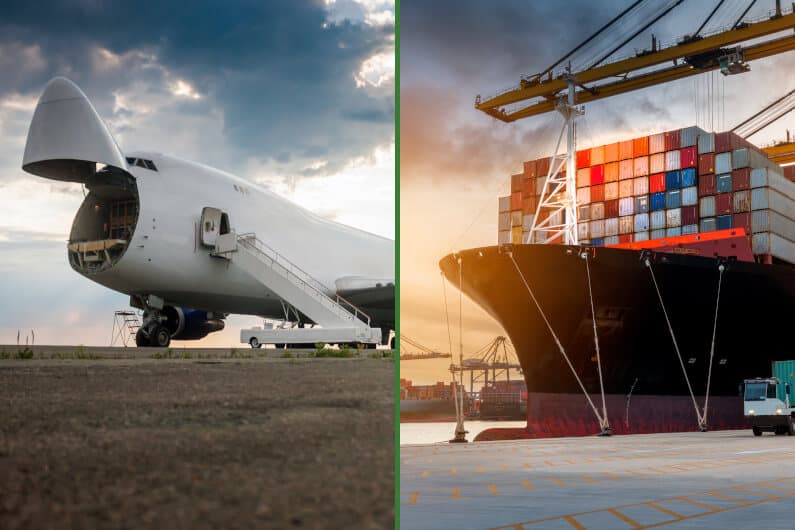
After cargo preparation, the freight forwarder selects the best transportation method.
| Shipping Method | Best For | Advantages |
|---|---|---|
| Sea Freight | Large-volume cargo | Lower shipping costs |
| Air Freight | Urgent shipments | Faster delivery |
| Rail Freight | China-Europe transportation | Balance between cost and speed |
| Express Shipping | Small packages | Convenient delivery |
For instance, an electronics company importing products from China may use air freight for new product samples but choose sea freight for regular bulk orders.
4. Freight Forwarder’s Role in Customs Clearance
Customs clearance is one of the most important parts of international shipping. Many businesses face delays because they are unfamiliar with import regulations and required documents.
A freight forwarder helps prepare:
- Commercial invoice
- Packing list
- Bill of lading
- Customs declaration documents
- Import permits if required
Furthermore, freight forwarders communicate with customs authorities and help solve clearance issues quickly.
6. How Freight Forwarding Works From China
For businesses sourcing products from China, freight forwarding from China involves multiple logistics stages.
A typical process looks like this:
Supplier in China
↓
Factory pickup
↓
Export customs clearance
↓
International transportation
↓
Destination customs clearance
↓
Warehouse or customer delivery
For example, a US importer buying furniture from a factory in Ningbo can rely on a freight forwarder to arrange ocean shipping, customs clearance, and delivery to their warehouse.
7.What Services Do Professional Freight Forwarders Provide?
A professional freight forwarder usually provides complete logistics solutions, including:
| Service | Purpose |
|---|---|
| Ocean Freight | Cost-effective international shipping |
| Air Freight | Fast cargo transportation |
| Customs Clearance | Smooth import/export process |
| Warehousing | Temporary cargo storage |
| Cargo Tracking | Shipment visibility |
| Door-to-Door Delivery | Complete logistics management |
Therefore, businesses can focus on sales and operations while the freight forwarder manages transportation challenges.
Common Mistakes When Choosing a Freight Forwarder
Although freight forwarding can simplify global trade, choosing the wrong partner may create problems.
Common mistakes include:
Choosing Only Based on Price
The cheapest freight rates may not always provide reliable service. Delays, hidden fees, or poor communication can increase overall shipping costs.
Ignoring Experience With Specific Cargo
Different products have different requirements. For example, batteries, food products, and oversized equipment may require special handling.
Not Checking Communication Ability
Effective communication is important because international shipping involves multiple parties, including suppliers, carriers, customs agents, and warehouses.
8.Why Do Businesses Need Freight Forwarding Services?
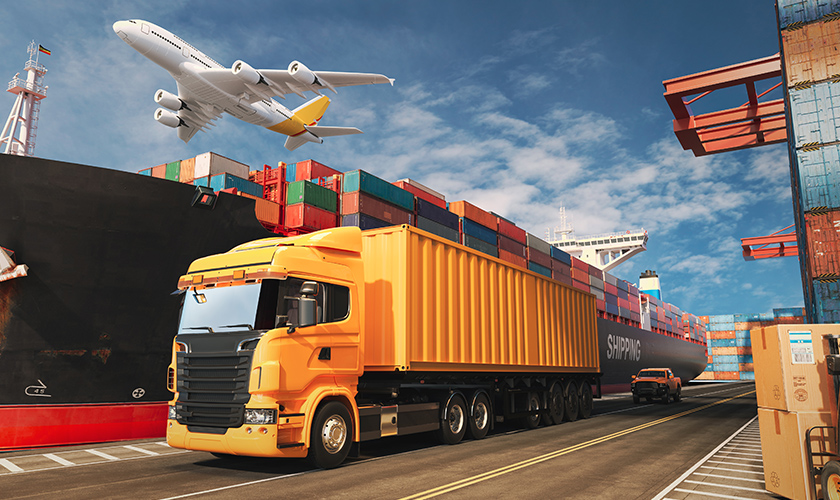
International trade involves complex transportation networks. Therefore, businesses use freight forwarders to save time, reduce risks, and improve supply chain management.
A reliable freight forwarding partner can help companies:
- Optimize shipping costs
- Improve delivery schedules
- Handle customs procedures
- Manage international transportation
- Reduce logistics complexity
As a result, companies can build more stable and efficient global supply chains.
9.Real Case: How Freight Forwarding Works in International Shipping
A global business needed to ship goods from China to overseas markets but faced challenges with transportation arrangements, customs procedures, and delivery coordination. To simplify the process, the company worked with Taijie International Logistics for a complete freight forwarding solution.
📦 Shipment Details
| Item | Details |
|---|---|
| Cargo | General goods |
| Origin | Shenzhen, China |
| Destination | Overseas destination |
| Shipping Method | Sea Freight |
| Service | Door-to-door shipping |
| Transit Time | Around 25–40 days |
| Estimated Cost | Depends on cargo volume, destination, and shipping requirements |
Taijie arranged cargo pickup, export documentation, international transportation, customs clearance, and final delivery. For this shipment, the sea freight process took approximately 25–40 days, while the total shipping cost was calculated based on cargo details, destination, and required services.
Throughout the shipping process, the logistics team coordinated with suppliers, carriers, and local partners to ensure smooth cargo movement. As a result, the customer completed international shipping through one reliable logistics partner instead of managing multiple service providers.
This example shows how does freight forwarding work by connecting every step of global cargo transportation, from cargo pickup in China to final delivery overseas.
Request a Quote
Need reliable logistics support for your international shipments? 📩 Contact our freight forwarding experts today for customized shipping solutions, competitive rates, and professional assistance with transportation, customs clearance, and delivery management.
Get in touch with us today to receive a customized quote and expert advice on the best economy shipping options for your business.
FAQ (Beyond the Main Content)
Q1: What does a freight forwarder do?
A freight forwarder manages international shipments by arranging transportation, documentation, customs clearance, and delivery services between suppliers and customers.
Q2:How does freight forwarding work?
Freight forwarding works by coordinating cargo pickup, transportation booking, customs procedures, shipment tracking, and final delivery through a complete logistics process.
Q3:Do freight forwarders own ships and trucks?
Most freight forwarders do not own transportation equipment. Instead, they cooperate with carriers, airlines, and shipping companies to provide flexible logistics solutions.
Q4:How much does freight forwarding cost?
Freight forwarding costs depend on cargo size, weight, shipping method, destination, customs requirements, and delivery services.
Q5: Why should businesses use a freight forwarder?
Businesses use freight forwarders because they simplify international shipping, reduce risks, manage customs procedures, and improve supply chain efficiency.
Q6:Can freight forwarders handle customs clearance?
Yes. Professional freight forwarders can prepare documents and coordinate customs clearance to help shipments move smoothly across borders.