
China Freight Forwarder for Amazon Sellers: The Ultimate 2025 Shipping Guide
Navigating the complexities of international logistics requires a reliable China Shipping Hub partner to ensure your inventory reaches fulfillment centers on time. Finding a specialized China freight forwarder for Amazon sellers is the most critical step in maintaining a healthy seller account and maximizing profit margins. Consequently, this guide provides a comprehensive overview of how to streamline your imports and reduce landed costs in the current market.
Why You Need a Specialized China Freight Forwarder for Amazon Sellers
Professional logistics management is the backbone of any successful e-commerce business operating on a global scale. Specifically, Amazon sellers face unique challenges such as strict appointment scheduling and precise labeling requirements that standard carriers might overlook. Therefore, partnering with a China freight forwarder for Amazon sellers ensures that your cargo complies with every FBA regulation before it even leaves the port.
Furthermore, an experienced forwarder acts as your local representative in China, handling everything from factory pickup to final delivery. They mitigate risks associated with damaged goods or incorrect documentation, which could otherwise lead to costly rejections at the fulfillment center. Indeed, having a dedicated partner allows you to focus on marketing and sales while the logistics experts handle the heavy lifting.
Additionally, these specialized agents offer value-added services like quality inspections and consolidation. By grouping multiple smaller orders into a single shipment, they help you achieve significant economies of scale. Consequently, your business becomes more resilient against fluctuating market prices and supply chain disruptions.
Comparing Shipping Methods: Which is Best for Your Business?
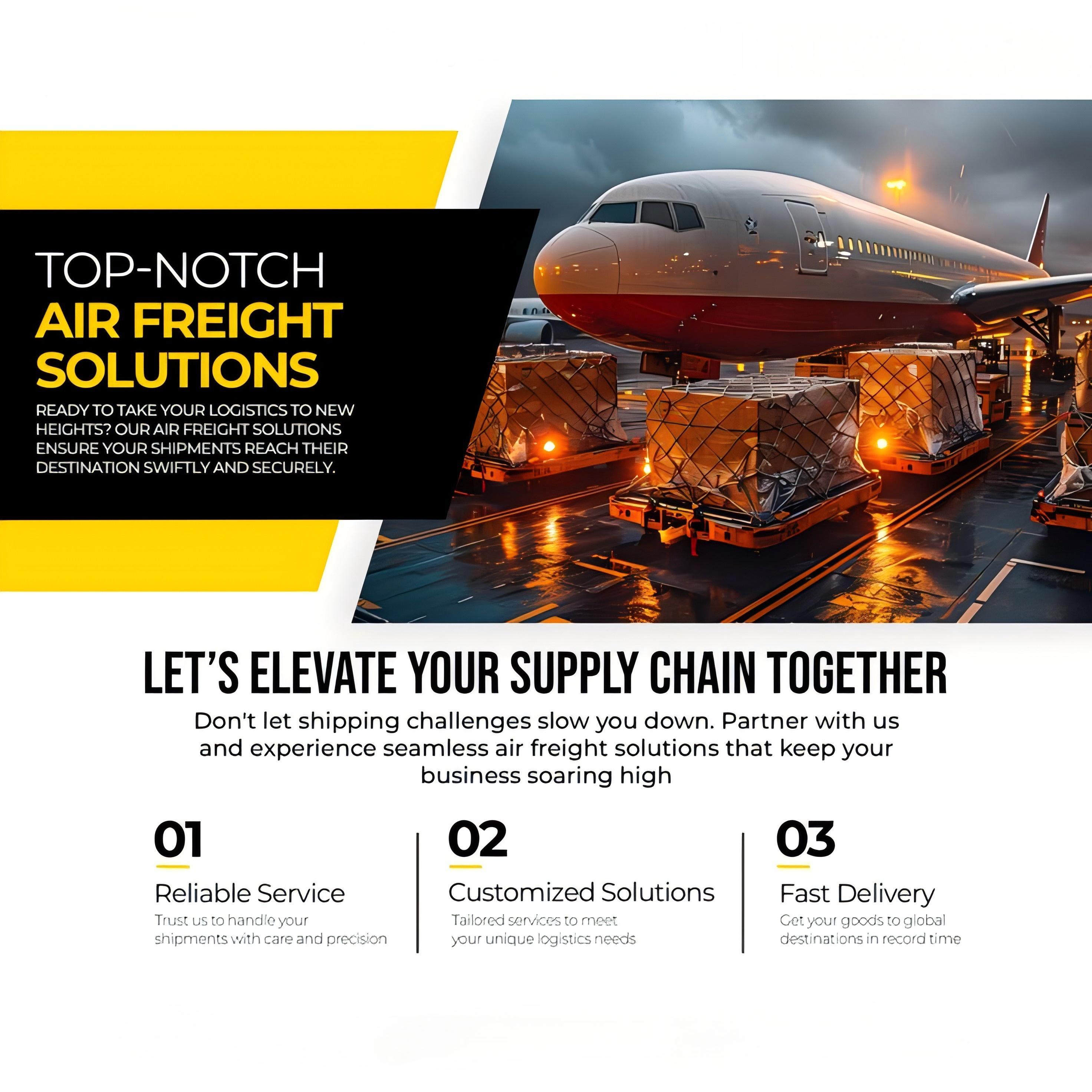
Choosing the right transportation mode depends entirely on your budget, volume, and urgency. For instance, sea freight remains the most economical choice for large-volume shipments that are not time-sensitive. Meanwhile, air freight provides the speed necessary for high-value items or urgent restocks during peak seasons.
Moreover, rail freight has emerged as a middle-ground solution for shipments heading to certain regions, offering faster transit than sea at a lower cost than air. However, it is essential to analyze the specific requirements of your product category before committing to a method. As a result, many sellers utilize a hybrid strategy, split-shipping their inventory to balance cost and speed.
| Shipping Method | Cost Range | Transit Time | Best For |
|---|---|---|---|
| Air Freight | High ($5-9/kg) | 5-9 Days | Urgent restocks |
| Sea Freight LCL | Medium ($150-300/CBM) | 30-45 Days | Small bulk orders |
| Sea Freight FCL | Low ($3k-6k/container) | 25-40 Days | High volume |
| Express Service | Very High ($8-12/kg) | 3-5 Days | Samples and small parcels |

Understanding Amazon FBA Requirements and Compliance
Compliance with Amazon FBA standards is non-negotiable for sellers who want to avoid account warnings or inventory disposal. Specifically, Amazon requires precise carton dimensions, weight limits, and specific barcode placements for every unit. Consequently, a knowledgeable China freight forwarder for Amazon sellers will double-check these details at their warehouse before the final leg of the journey.
In addition, the palletization process must meet strict criteria regarding the type of wood used and the height of the stack. If your shipment arrives at the warehouse without a pre-booked appointment via the Carrier Central portal, it will likely be turned away. Therefore, your forwarder must be proficient in managing the appointment system to ensure a smooth unloading process.
How Does Sea Freight Compare to Other Shipping Options?
While sea freight is the traditional choice for bulk cargo, it is important to evaluate it against modern alternatives like sea-air hybrids or dedicated express lines. For example, while a 40HQ container might cost $4,000 for a 35-day journey, an air shipment of the same volume could exceed $25,000 but arrive in a week. Nevertheless, for established brands with predictable demand, the cost savings of ocean transport are indispensable.
On the other hand, LCL (Less than Container Load) shipping allows smaller sellers to share container space, making sea freight accessible even for those without massive inventories. In contrast, FCL (Full Container Load) is faster and safer because the goods are not handled as frequently during transit. To summarize, the choice depends on your current inventory turnover rate and capital availability.
| Method | Cost Efficiency | Reliability | Limitations |
|---|---|---|---|
| Direct Sea | Maximum | High | Longest lead time |
| Sea-Air Hybrid | Moderate | Medium | Complex tracking |
| Express Courier | Minimal | Excellent | Weight restrictions |
| Transshipment | High | Variable | Risk of delays |
Navigating Customs Brokerage and Duties
Managing the customs brokerage process is often the most stressful part of international trade for new sellers. Specifically, you must ensure that your HTS codes are accurate to avoid overpaying duties or facing legal penalties. Moreover, different countries have varying regulations regarding product safety certifications and import licenses.
Consequently, a professional China freight forwarder for Amazon sellers will provide a comprehensive landed cost calculation before you ship. This includes the freight rate, insurance, port fees, and estimated duties. Indeed, being prepared for these expenses prevents unexpected cash flow issues that could stall your business growth.
Door to Door Services: Simplifying the Logistics Chain
Utilizing door to door shipping is the ultimate way to simplify your operations. This service covers every step from the factory floor in China to the Amazon warehouse floor in your destination country. As a result, you do not need to coordinate with multiple different agents, truckers, or brokers.
Furthermore, this streamlined approach reduces the likelihood of communication errors between different parties in the supply chain. Meanwhile, you receive a single invoice and a single tracking number for the entire journey. Therefore, many high-growth Amazon sellers prefer this all-inclusive model to save time and reduce administrative overhead.
Real-World Case Studies for Amazon Sellers
Case Study 1: Electronics from Shenzhen to California. Route: Shenzhen to Los Angeles. Cargo: 500 units of wireless chargers, 2.5 CBM, 450 kg. Method: Sea Freight LCL. Port of Loading: Shenzhen. Port of Discharge: Los Angeles. Ocean Freight: $450. Origin Charges: $120. Destination Charges: $210. Customs and Duties: $850. Total Landed Cost: $1,630. Sea Transit: 16 days. Total Door-to-Door: 24 days. Key Insight: Shipping to North America via West Coast ports significantly reduced transit time compared to East Coast routes.
Case Study 2: Home Decor from Ningbo to Hamburg. Route: Ningbo to Hamburg. Cargo: 1,200 units of wooden frames, 15 CBM, 1,800 kg. Method: Sea Freight LCL. Port of Loading: Ningbo. Port of Discharge: Hamburg. Ocean Freight: $1,250. Origin Charges: $280. Destination Charges: $450. Customs and Duties: $1,100. Total Landed Cost: $3,080. Sea Transit: 32 days. Total Door-to-Door: 42 days. Key Insight: Shipping to Europe required strict adherence to VAT and EORI documentation to avoid port storage fees.
Note: Freight rates are subject to change based on fuel costs, carrier capacity, and seasonal demand. Contact us for a current quote tailored to your specific shipment.
Which Option Should You Choose? Decision Framework
Determining the best strategy requires a clear understanding of your business priorities. For instance, if your budget is the top priority, you should always opt for sea freight and plan your inventory at least three months in advance. Conversely, if speed is the priority to avoid going out of stock, air freight or express shipping is the only viable path.
Additionally, consider the cargo type and volume thresholds. For shipments under 1 CBM, express shipping is often more cost-effective than sea freight due to the high minimum fees associated with ocean transport. However, once you exceed 2 CBM, the price gap widens significantly in favor of sea freight. Specifically, always request quotes for both options to see where the tipping point lies for your specific cargo.
Mastering Your FBA Logistics
To summarize, selecting the right China freight forwarder for Amazon sellers is a strategic decision that impacts your entire bottom line. By understanding the various shipping methods, staying compliant with FBA rules, and utilizing professional customs brokerage, you can build a scalable and efficient business.
Indeed, the logistics landscape is constantly evolving, but with a reliable partner, you can navigate these changes with confidence. Start planning your next shipment today to ensure your products are always available for your customers.
Ready to streamline your logistics?
Ready to optimize your supply chain and reduce your shipping costs? Contact our expert team today for a customized quote and see why we are the preferred China freight forwarder for Amazon sellers. Visit our website to get started with your next shipment. Send Inquiry: info@chinashippinghub.com
Request Quote