
LCL Shipping China Italy: A Complete Guide for Importers 2025
LCL shipping China Italy represents a vital logistics strategy for businesses that do not have enough cargo to fill an entire 20-foot container. By utilizing the consolidation services at China Shipping Hub, importers can significantly reduce their overhead while maintaining a steady flow of goods. This comprehensive guide details how to navigate the complexities of Mediterranean trade routes, manage customs requirements, and secure the most competitive freight rates available in today’s market.
What is LCL Shipping China Italy and How Does It Work?
LCL stands for Less than Container Load, a method where multiple shippers share space within a single ocean container. This approach is ideal for small to medium-sized enterprises that move volumes between 1 and 15 cubic meters. Consequently, you only pay for the volume your cargo occupies rather than the cost of the entire unit.
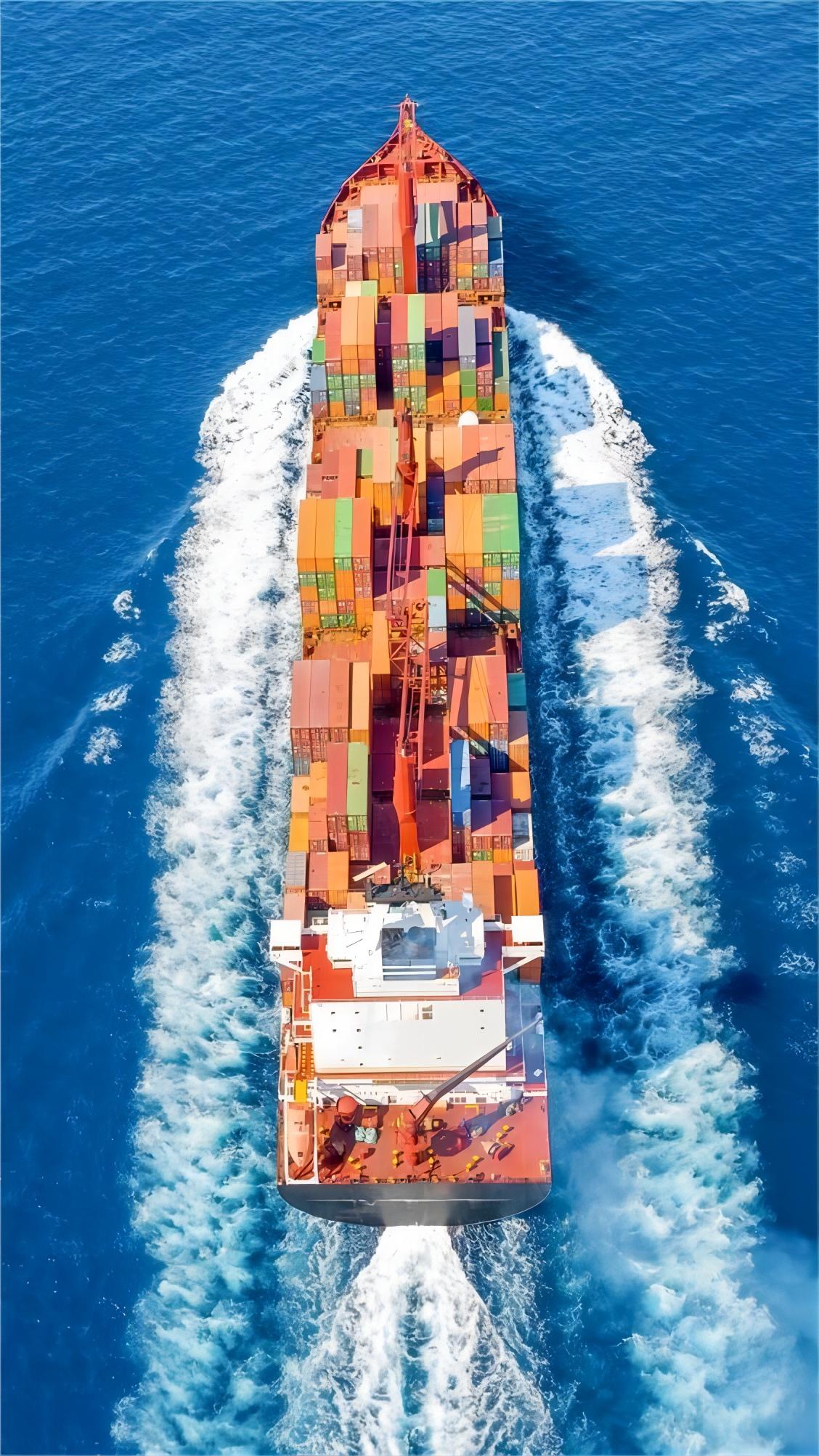
The process begins at a consolidation warehouse in major Chinese hubs like Shenzhen or Shanghai. Here, your goods are grouped with other shipments destined for Italian ports such as Genoa or Trieste. Furthermore, the freight forwarder manages the entire stuffing process to ensure maximum space efficiency and safety for all items involved.
Choosing sea freight via LCL allows for greater flexibility in inventory management. Instead of waiting to accumulate enough stock for a full container, you can ship smaller batches more frequently. Therefore, this method supports a leaner supply chain and improves cash flow for growing businesses.
How Does LCL Compare to Other Shipping Options?
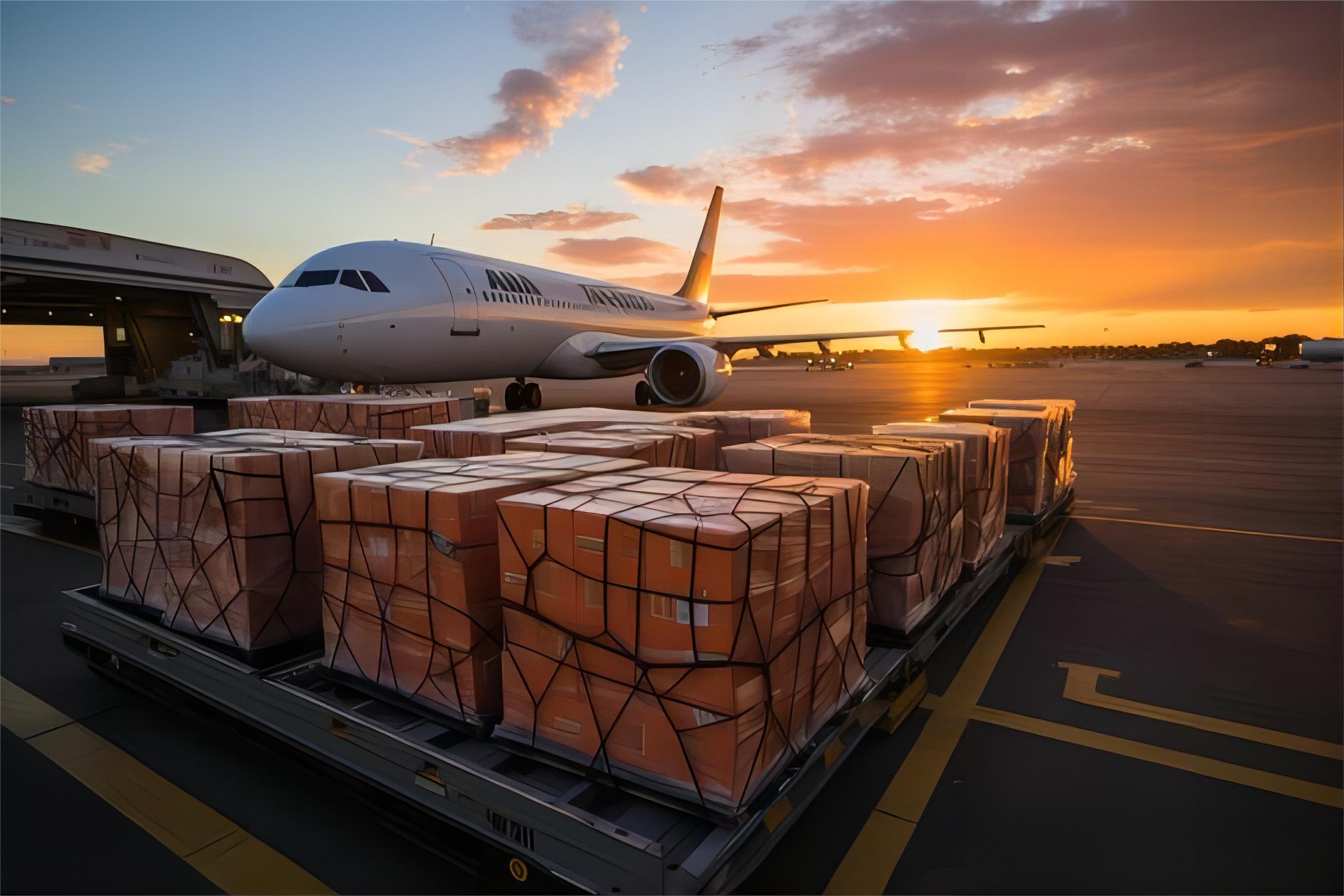
When planning your logistics, it is essential to compare LCL against air and rail alternatives. Each method offers different trade-offs between speed and cost. For example, while sea freight is the most economical, air freight provides the fastest delivery for time-sensitive electronics or fashion items.
Rail freight has emerged as a middle-ground solution, offering faster transit than the sea but at a lower cost than air. However, LCL remains the dominant choice for bulkier items that do not require urgent delivery. Indeed, the cost-to-weight ratio for sea transport is unmatched for most consumer goods.
The following table provides an objective analysis of the primary shipping methods available for the China to Italy route in 2025.
| LCL Sea | $80 – $150 per CBM | 30 – 40 Days | Small bulk, low urgency |
| FCL Sea | $2,500 – $4,200 (40HQ) | 28 – 35 Days | High volume, lower risk |
| Air Freight | $4.50 – $8.00 per KG | 3 – 7 Days | High value, urgent |
| Rail Freight | $120 – $200 per CBM | 18 – 24 Days | Mid-range urgency |
LCL vs FCL: Which Option Should You Choose?
Deciding between LCL and Full Container Load (FCL) depends largely on your total cargo volume. Generally, if your shipment exceeds 13 to 15 cubic meters, FCL becomes more cost-effective. This is because the flat rate for a 20GP container often drops below the cumulative per-CBM cost of LCL at that threshold.
Budget priority often dictates the choice for startups, leading them toward LCL. On the other hand, FCL offers better security since the container is sealed at the origin and only opened at the destination. Nevertheless, LCL remains the backbone of the shipping from China to Europe market for diverse product lines.
Cargo type considerations also play a role in this decision. Fragile or hazardous materials might benefit from the isolation of FCL. However, for standard palletized goods, the cost savings of LCL are often too significant to ignore.
Major Shipping Routes and Transit Times from China to Italy
Most LCL shipments from China depart from the eastern seaboard, specifically from ports like Ningbo, Shanghai, and Qingdao. These vessels typically traverse the South China Sea, cross the Indian Ocean, and enter the Mediterranean via the Suez Canal. Consequently, the primary Italian gateways are Genoa in the north and Naples or Salerno in the south.
Transit times can fluctuate based on port congestion and seasonal demand. During the peak season from August to October, you should expect additional delays of 5 to 7 days. Additionally, rail freight options through the Silk Road provide an alternative for those targeting inland Italian hubs like Milan.
The table below outlines typical sea transit times from major Chinese ports to Italian destinations as of early 2025.
| Shanghai | Genoa | 32 Days | Direct |
| Shenzhen | Trieste | 30 Days | Direct |
| Ningbo | La Spezia | 35 Days | Transshipment |
| Qingdao | Naples | 38 Days | Transshipment |
Understanding LCL Shipping Costs: Factors and Estimates
LCL pricing is more complex than FCL because it involves additional handling fees. Beyond the ocean freight rate, you must account for the Container Freight Station (CFS) charges at both origin and destination. These fees cover the labor and equipment required to consolidate and de-consolidate the cargo.
Documentation and customs brokerage fees are also standard components of the total landed cost. Moreover, fuel surcharges (BAF) and currency adjustment factors (CAF) can cause monthly price fluctuations. Therefore, it is always wise to request an all-in quote that includes local charges at the Italian port.
Note: Freight rates are subject to change based on fuel costs, carrier capacity, and seasonal demand. Contact us for a current quote tailored to your specific shipment.
Customs Clearance and Documentation for Italy
Importing into Italy requires strict adherence to European Union customs regulations. You must provide a Commercial Invoice, a detailed Packing List, and a Bill of Lading. Furthermore, an EORI number is mandatory for any business entity importing goods into the EU.
Specific products may require additional certifications, such as the CE mark for electronics or phytosanitary certificates for wood products. Failure to provide accurate documentation can lead to expensive storage fees at the port of discharge. In contrast, working with an experienced forwarder ensures all paperwork is prepared well in advance of the vessel’s arrival.
Italy also applies Value Added Tax (VAT) and various duty rates based on the HS Code of your items. To summarize, understanding your tax liability before the goods ship is crucial for maintaining your profit margins.
| Commercial Invoice | Shipper | Value Assessment | Digital/Original |
| Packing List | Shipper | Cargo Handling | Digital/Original |
| Bill of Lading | Carrier | Title of Goods | Original/Telex |
| Certificate of Origin | Shipper | Duty Preferences | Original |
Real Case Studies for China to Italy Shipments
Case Study 1: Industrial Components from Ningbo to Genoa. A small manufacturing firm imported 4.5 CBM of machine parts using LCL. The cargo was loaded at Ningbo and arrived at Genoa port in 31 days. Total ocean freight and origin charges amounted to $620, while destination CFS and handling fees were $480. Key Insight: Consolidating multiple small orders into one LCL shipment saved the client 40% compared to air freight.
Case Study 2: Apparel for E-commerce from Shanghai to Milan. An online retailer shipped 8 CBM of clothing via door to door service. The shipment took 35 days to reach the Milan warehouse after clearing customs in La Spezia. Total landed cost, including duties, was $2,100. Key Insight: Using a door-to-door LCL service simplified the process for the client, who had no experience with Italian port logistics.
Based on Q4 2024 market rates, these examples reflect the stability of the Mediterranean trade corridor. However, shippers should always account for potential local transport surcharges within Italy.
Alternative Strategies and Hybrid Solutions
For shipments that are too slow for sea but too expensive for air, hybrid solutions like Sea-Air via Dubai can be effective. This involves shipping by sea from China to Dubai, then flying the cargo to Rome or Milan. Consequently, you save about 40% of the cost of pure air freight while cutting transit time in half compared to sea.
Another strategy is to utilize rail freight for northern Italian destinations. Since the rail terminals in Milan are well-connected to the Northern European rail network, transit times are often more predictable than sea routes. Nevertheless, rail capacity is limited compared to the massive volume handled by ocean carriers.
Cost-saving strategies also include optimizing your packaging. Because LCL is billed by volume, reducing the dimensions of your crates can lead to direct savings. For instance, using stackable pallets allows the consolidator to maximize space, which may result in lower freight rates.
Final Thoughts on LCL Shipping China Italy
LCL shipping China Italy remains the most practical choice for businesses looking to balance cost and volume. By understanding the nuances of consolidation, transit times, and customs requirements, you can build a more resilient supply chain. Additionally, choosing the right logistics partner ensures that your cargo is handled with care from the factory floor to the final destination in Italy.
To summarize, while the process involves multiple steps and various fees, the flexibility of LCL is unmatched. Whether you are importing textiles, electronics, or industrial parts, this method provides the scalability needed to grow in the competitive European market. Start planning your next LCL shipment today to take advantage of current market rates and efficient routing options.
Ready to streamline your logistics?
Ready to streamline your LCL shipping China Italy? Contact China Shipping Hub today for a personalized quote and expert guidance on your next shipment. Visit our website to learn how our consolidation services can reduce your logistics costs and improve delivery times for your Italian imports.
Request Quote