
Shipping from China to Germany: 2025 Guide to Rates and Routes
Navigating the complexities of shipping from China to Germany requires a strategic approach to ensure your goods arrive safely and on time. Whether you are a small business or a large enterprise, China Shipping Hub provides the expertise needed to streamline your supply chain. This guide explores the most efficient logistics routes and cost-saving strategies for your international trade.
What Are the Main Shipping Methods from China to Germany?
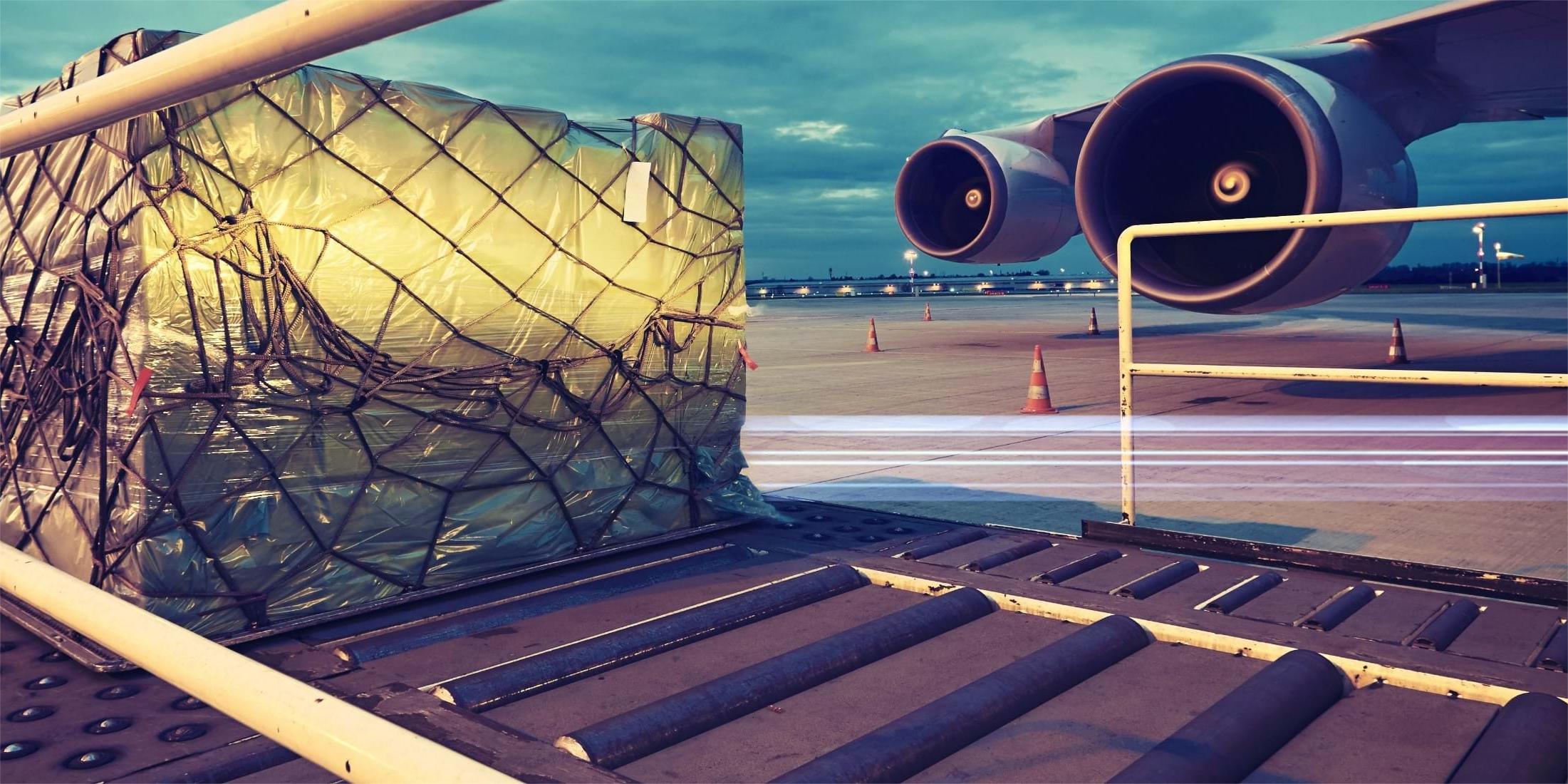
Selecting the right transportation mode is the most critical decision in your logistics planning process. Consequently, businesses must weigh the trade-offs between speed, cost, and reliability when moving goods across these vast distances. Most importers choose between three primary modes: maritime transport, aviation, and the increasingly popular trans-continental railway.
Consider sea freight if you are moving large volumes of goods or heavy machinery where cost efficiency is the priority. Although it is the slowest method, it offers the lowest price per unit for high-capacity shipments. Meanwhile, air freight remains the preferred choice for high-value electronics or urgent inventory replenishment. Furthermore, the choice often depends on your specific delivery schedule and the nature of your cargo.
Each method has unique advantages that cater to different business needs and budget constraints. For instance, seasonal demand might force a shift from ocean to air to avoid stockouts during peak shopping periods. Therefore, understanding the nuances of each service is essential for maintaining a competitive edge in the German market.
How Does Rail Freight Compare to Other Shipping Options?
Rail transport has emerged as a powerful middle ground for companies seeking a balance between speed and expenditure. Specifically, the Iron Silk Road connects major Chinese hubs like Xi’an and Chengdu directly to German terminals in Duisburg and Hamburg. This method typically cuts transit time in half compared to sea routes while remaining significantly cheaper than air transport.
Moreover, rail freight offers a more sustainable alternative for environmentally conscious brands looking to reduce their carbon footprint. Nevertheless, rail capacity can be limited during peak seasons, requiring early bookings to secure space. In addition, the stability of rail transport makes it ideal for automotive parts and industrial components that require consistent scheduling.
Evaluating these alternatives objectively allows you to build a resilient supply chain that can adapt to global disruptions. For example, when maritime routes face congestion, rail provides a reliable bypass to keep your operations running smoothly. Without a doubt, the hybrid nature of rail makes it a strategic asset for modern importers.
| Shipping Method | Cost Range | Transit Time | Best For |
|---|---|---|---|
| Sea Freight (FCL) | $3,000 – $4,200 | 30 – 45 Days | Bulk Goods |
| Air Freight | $5.00 – $9.00/kg | 4 – 7 Days | Urgent Items |
| Rail Freight | $1,500 – $2,500 | 18 – 24 Days | Mid-value Cargo |
| Express Service | $8.00 – $12.00/kg | 3 – 5 Days | Small Samples |
Understanding Shipping Costs and Freight Rates for 2025
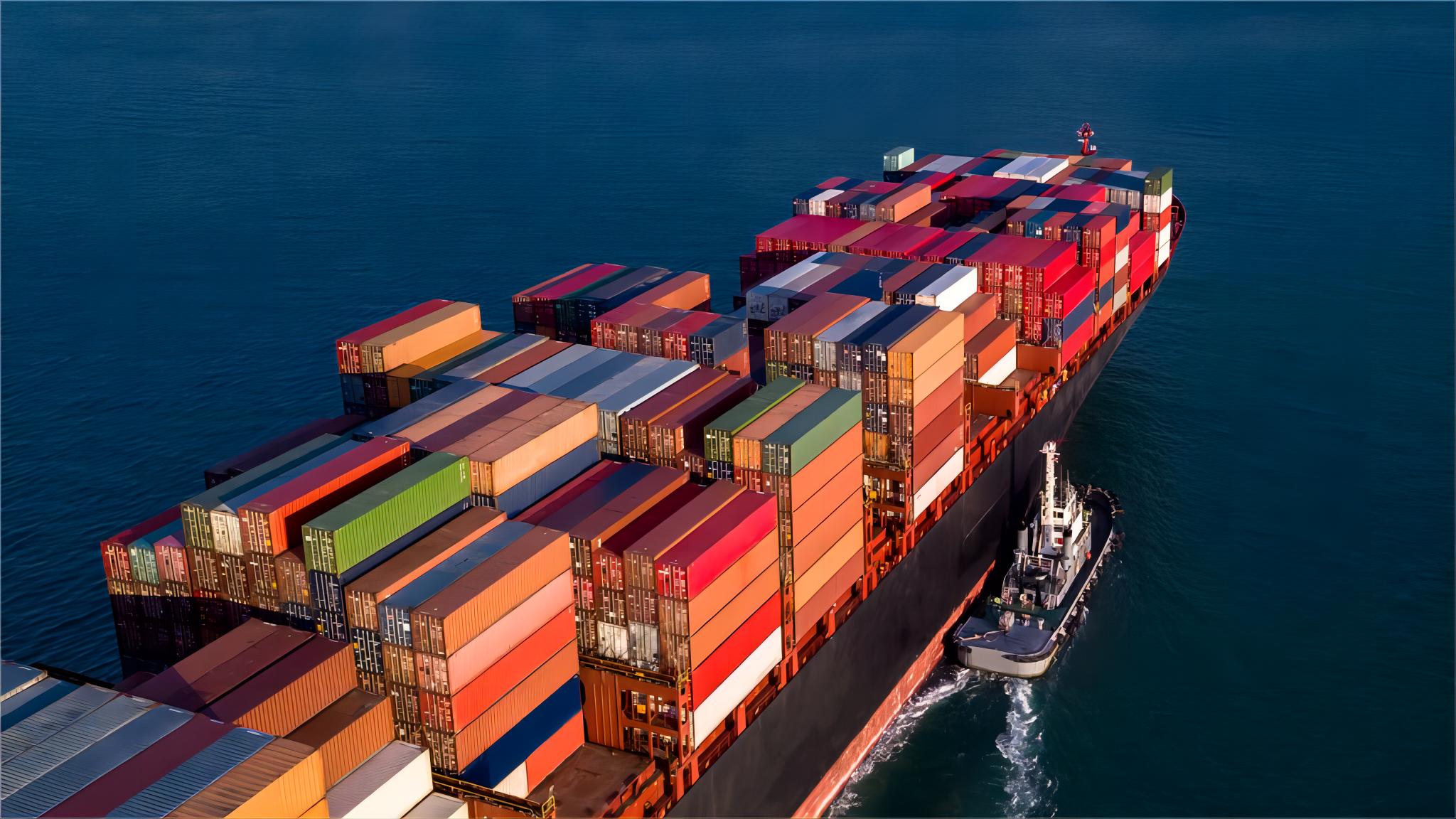
Freight rates for shipping from China to Germany have shown signs of stabilization as of early 2025 following previous global disruptions. However, costs remain sensitive to fuel surcharges, seasonal demand, and geopolitical factors affecting major trade lanes. Indeed, prices typically fluctuate based on whether you choose Full Container Load (FCL) or Less than Container Load (LCL) services.
Market data suggests that ocean freight for a 40HQ container currently ranges between $3,000 and $4,500 depending on the departure port. Additionally, port congestion or labor strikes can lead to temporary price hikes that importers must account for in their budgeting. For this reason, we recommend securing quotes at least two weeks before your intended shipping date.
Landed costs involve more than just the freight rate, as you must also calculate local charges and duties. Specifically, origin charges like trucking and documentation fees can add several hundred dollars to your total bill. Consequently, a transparent breakdown of all costs is vital for accurate financial forecasting.
Transit Times: How Long Does Shipping Really Take?
Timeframes for delivery vary significantly based on the chosen route and the efficiency of customs clearance at both ends. Generally, sea freight from Shenzhen to Hamburg takes approximately 30 to 35 days under normal conditions. In contrast, air cargo can reach major German airports like Frankfurt in less than a week, including handling time.
Rail services offer a compelling timeline of roughly 20 days, making them an excellent choice for time-sensitive industrial goods. Furthermore, the total door-to-door time must include the duration for inland trucking and warehouse processing. For instance, moving goods from a factory in inland China to a port can add another 3 to 5 days to the schedule.
Delays are often caused by documentation errors or peak season bottlenecks at major transshipment hubs. Therefore, working with an experienced logistics partner can help mitigate these risks through better planning and proactive communication. Industry averages suggest that adding a buffer of 5 days to any estimate is a wise strategy for critical shipments.
Key Customs Documents for Importing into Germany
Navigating German customs requires meticulous attention to detail and compliance with European Union regulations. Failure to provide accurate documentation can lead to expensive delays, fines, or even the seizure of your products. Using a professional customs brokerage service ensures that all paperwork meets the strict requirements of the German authorities.
Essential documents include the Commercial Invoice, Packing List, and the Bill of Lading or Air Waybill. Moreover, you must provide a valid EORI number and ensure that your goods are classified correctly using the appropriate HS codes. Indeed, the accuracy of these codes determines the amount of import duty and VAT you will be required to pay upon arrival.
German customs officials are known for their efficiency but also for their strict adherence to safety and environmental standards. For example, electronics must often carry the CE mark to prove compliance with EU health and safety directives. Accordingly, verifying these requirements before your goods leave China is a mandatory step for successful importation.
| Document Name | Purpose | Required By | Format |
|---|---|---|---|
| Commercial Invoice | Value Declaration | Customs/Tax | Digital/Paper |
| Packing List | Cargo Verification | Warehouse/Port | Digital/Paper |
| Certificate of Origin | Duty Calculations | Customs | Original Paper |
| Bill of Lading | Title of Goods | Carrier/Bank | Original/Telex |
Which Option Should You Choose? Decision Framework
Choosing the best shipping strategy involves evaluating your specific priorities regarding budget, speed, and cargo volume. If your primary goal is to minimize costs and you have a flexible timeline, sea freight is the clear winner. On the other hand, if you are launching a new product and need it on shelves immediately, air freight is the only viable path.
Volume thresholds often dictate the switch between different shipping methods for maximum efficiency. For shipments under 15 CBM, LCL sea freight is often more economical than renting a full container. However, once you exceed that volume, the security and speed of FCL often justify the slightly higher total cost.
Hybrid solutions like sea-air or rail-sea combinations can also provide customized benefits for unique supply chain needs. For example, shipping by sea to a regional hub and then by air to Germany can save 40% in costs compared to pure air freight. Ultimately, your choice should align with your business growth objectives and customer expectations.
Real-World Case Studies: China to Germany Logistics
Case Study 1: High-Tech Electronics from Shenzhen to Munich. Cargo: 450kg of premium tablets and accessories. Method: Air Freight. Cost: $3,200. Transit Time: 5 days. Key Insight: The high value-to-weight ratio made air freight the most logical choice to minimize inventory holding costs and ensure rapid market entry.
Case Study 2: Home Furniture from Ningbo to Hamburg. Cargo: 40HQ container of modular sofas. Method: Sea Freight (FCL). Cost: $4,150. Transit Time: 34 days. Key Insight: Utilizing FCL allowed the importer to maximize space and benefit from the lowest possible shipping cost per unit for bulky items.
Case Study 3: Industrial Machinery from Wuhan to Duisburg. Cargo: 12 CBM of specialized CNC components. Method: Rail Freight (LCL). Cost: $1,850. Transit Time: 21 days. Key Insight: Rail provided a faster alternative to sea without the extreme expense of air, allowing the factory to meet a tight installation deadline in Germany.
Maximizing Efficiency with Door to Door Services
Implementing a door to door solution simplifies the entire logistics chain by consolidating multiple steps into a single service. This approach eliminates the need for the importer to coordinate with various local truckers, port agents, and customs brokers. Consequently, you can focus on your core business while your freight forwarder handles the complexities of international transport.
Efficiency is further improved when you integrate tracking systems that provide real-time updates on your shipment’s location. Moreover, these services often include insurance coverage, providing peace of mind against potential transit damage or loss. Indeed, the convenience of having your goods delivered directly to your German warehouse is often worth the modest additional service fee.
Transitioning to a managed logistics model can lead to significant long-term savings through optimized routing and consolidated billing. For instance, a single point of contact reduces the risk of communication errors that often lead to costly delays. Therefore, comprehensive service packages are highly recommended for businesses looking to scale their import operations.
Final Thoughts on Shipping from China to Germany
Mastering the art of shipping from China to Germany is a continuous process of balancing cost, speed, and reliability. By understanding the various freight modes and staying informed about market trends, you can make decisions that enhance your profitability. Remember that logistics is not just a cost center but a strategic tool for business success.
Professional guidance is often the difference between a smooth delivery and a logistics nightmare. Whether you choose sea, air, or rail, ensure your documentation is flawless and your partners are experienced. Successful shipping from China to Germany starts with a clear plan and ends with your goods arriving exactly when you need them.
Ready to streamline your logistics?
Ready to optimize your logistics? Contact us for a personalized quote on shipping from China to Germany and secure the best market rates today. Let our experts handle your freight so you can focus on growing your business. Visit our inquiry page to get started.
Request Quote